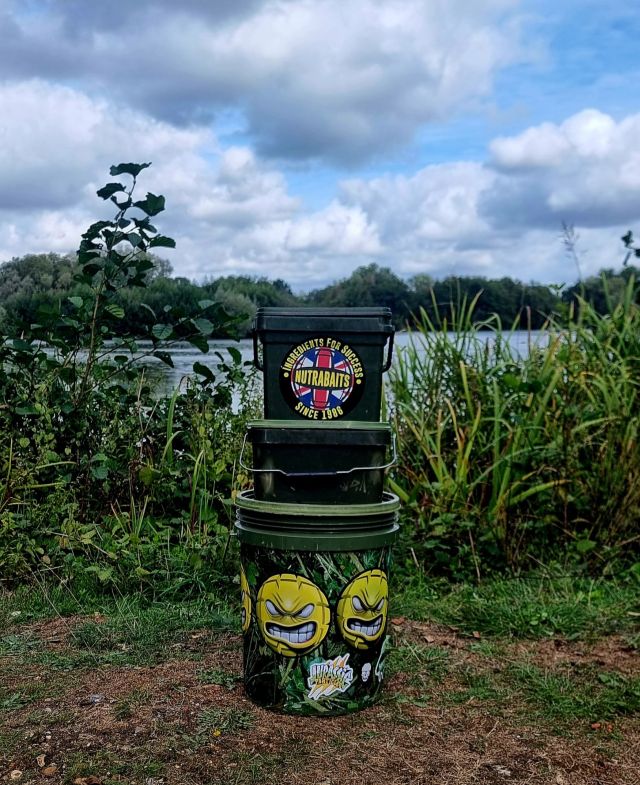
Time to stock up on the bait that’s been doing the business! 🎣💪
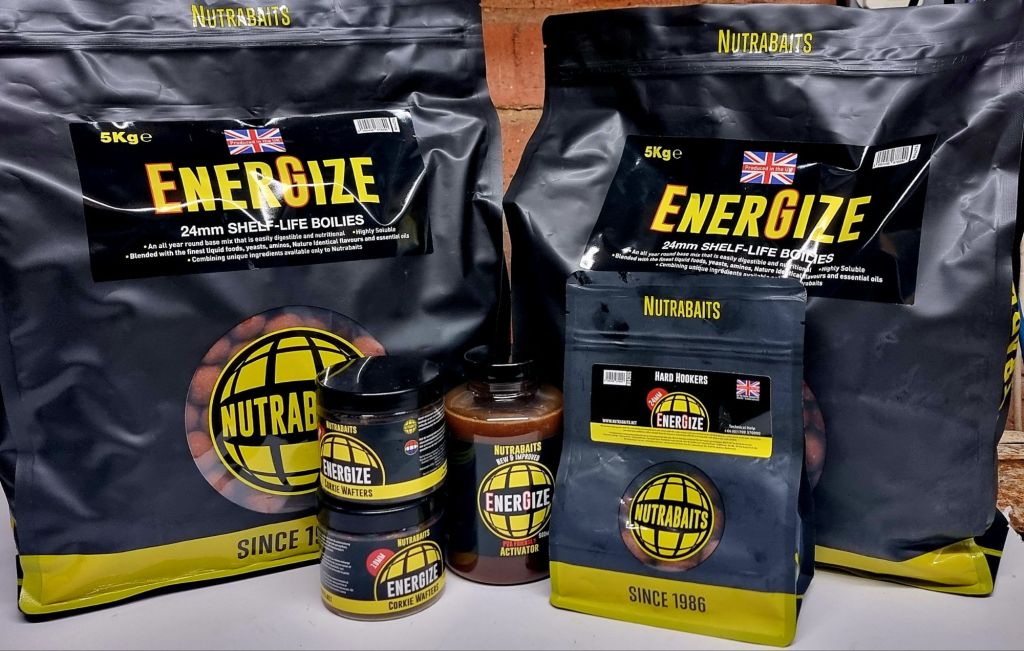
After a successful session recently, with the Nutrabaits EnerGize range playing its part, it was time to get the supplies replenished ahead of the coming winter months.
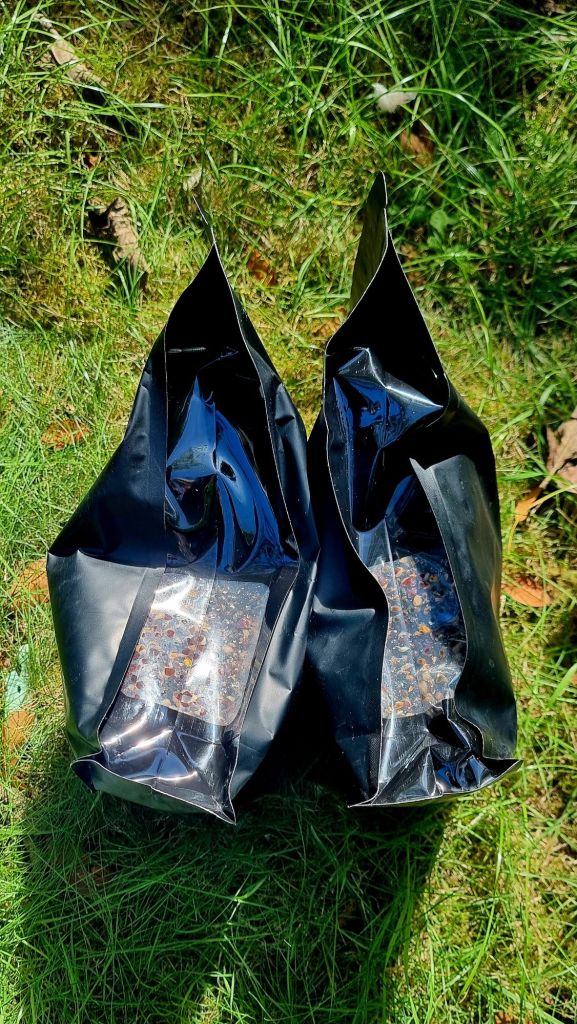
A couple of 5kg bags of 24mm shelf-life EnerGize boilies, along with the Corkie Wafters, Hard Hookers and the EnerGize Activator. These have given me plenty of confidence on the bank, and when a bait has produced the results, it makes sense to stick with what you believe in.
With the temperatures dropping and winter carp fishing just around the corner, I’m looking forward to seeing what the coming months have in store. Hopefully, there’s a few more special fish waiting to grace the net! 🐟
Nutrabaits EnerGize — back on the menu this winter!
It’s Wednesday again, folks. Work is done, the car is loaded, and I’m off to The Airfield Lake.
With the end of October looming ever closer, I’ve only got around six weeks left before the lake closes for the winter. If the wind turns northerly and the temperatures drop, these carp can simply disappear, so I’m very aware that every trip now counts.
I’m not sure I’ll be able to fish every week, with the wife heading over to Ireland to visit family, half-term coming up and, no doubt, Dad’s Taxi Service being required at some point! If I can get four more trips in before the lake closes, I’ll be very happy.
When I was fishing with Ian last week, we’d been discussing our approach for the coming weeks. We wanted to make the most of something we’d found in previous years: baiting a particular area from around mid-September onwards has worked many times, especially when the lake levels are low.
With the water down, the carp are restricted in where they can go and, in theory, that should make things a little easier. Well, that’s the theory anyway!
I arrived at around 1150 hrs to a completely empty lake. That’s always great news, although I’m still not quite sure why this happens as often as it does.
Ian and I discussed the area we where going to focus on this week and thankfully the weather conditions hadn’t really changed. The water levels were the same, and I could still watch the water in the area where I’d previously been catching.
I checked the swim with the marker rod first, just to make sure the lake bed was exactly what I wanted to fish.
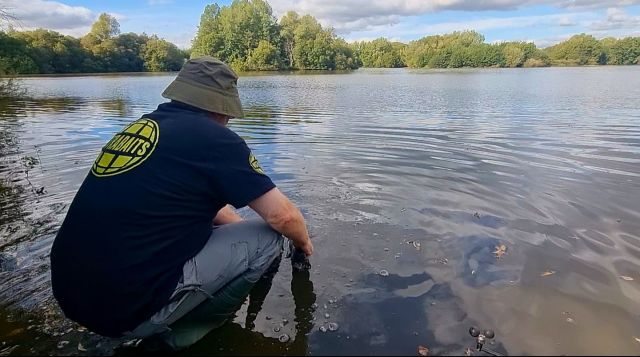
Then it was time to get some bait out there.
The carp are responding to bait at the moment, and I say at the moment because there’s absolutely no guarantee they’ll feel the same way next year. I also like to get the main baiting out of the way in one go. Once the initial noise has been made, topping up with a few Spombs during the session doesn’t seem to bother them.
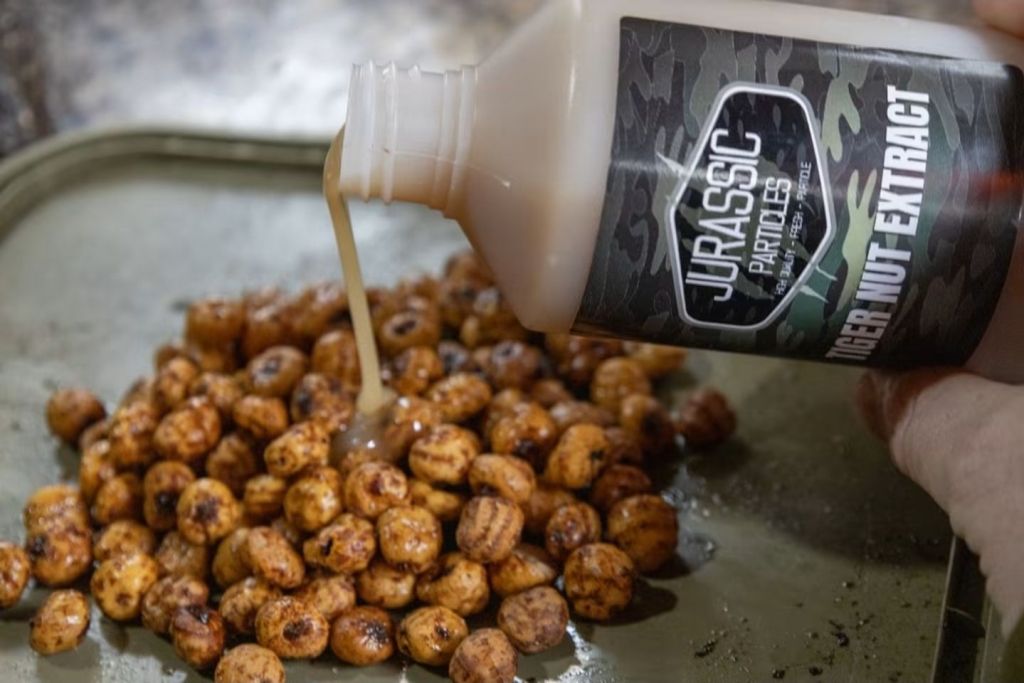
This week I mixed up Nutrabaits boilies, pellets and Jurassic Particle buckwheat and hemp, which had been soaking in hemp oil for months, all ready for this very moment.
The idea was to get the carp attracted into the area and digging around in the silt beds. I would continue fishing with 24mm EnerGize Hardened Hookers simply because my confidence in that format was so high.
Why change something that you’re confident in and introduce doubt into your own mind?
By 1413 hrs I’d just about finished sorting everything out. I take hours these days, which I’m putting down to getting older!
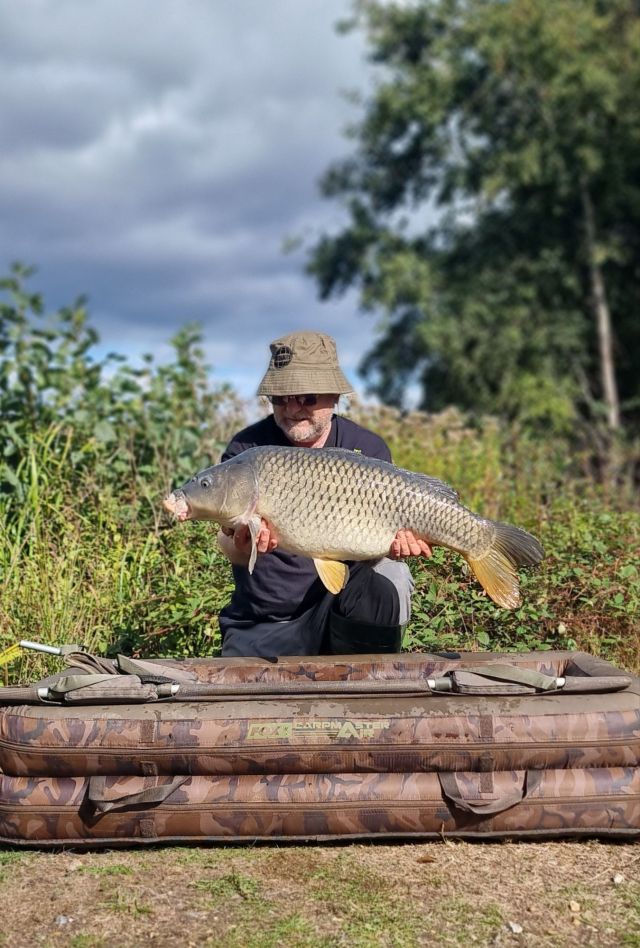
At 1429 hrs, the right-hand rod suddenly sprung into life.
The fish fought incredibly hard and immediately headed for the overhanging trees on either side of the swim, giving me a few hairy moments before I finally managed to get it under control.
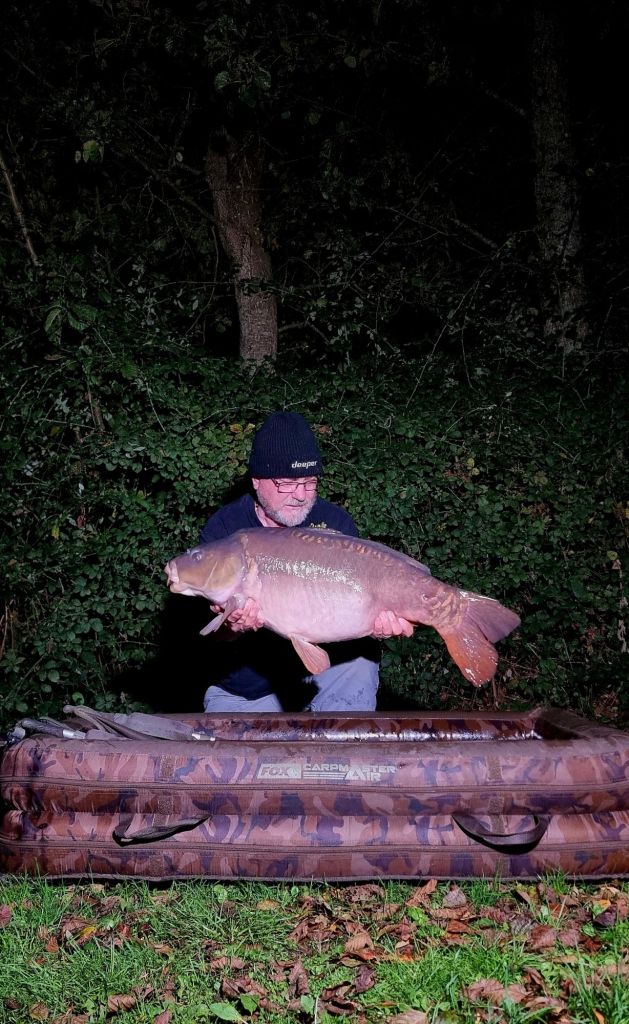
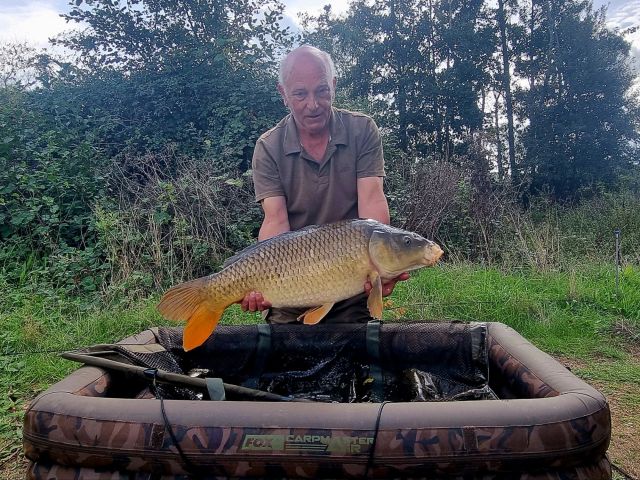
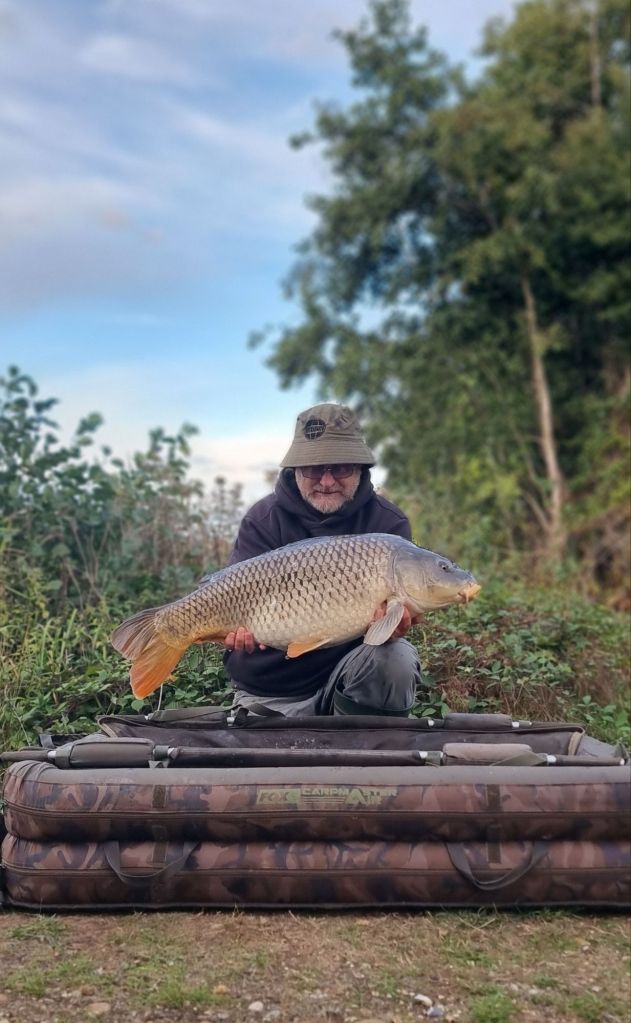
22lb 4oz Common
What a superb start.
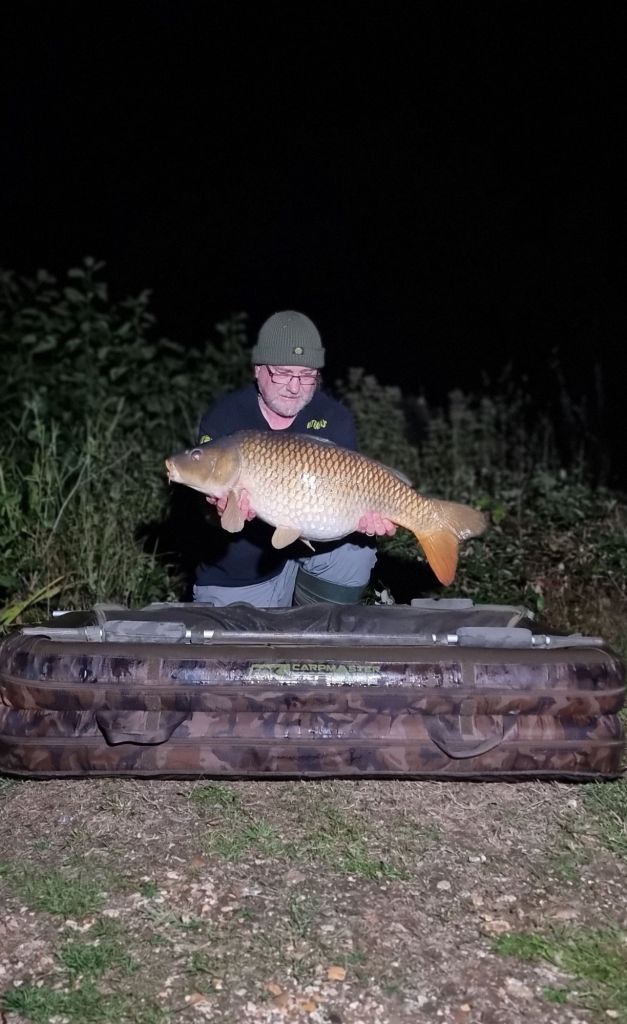
By 2030 hrs I was ready for bed and was soon fast asleep when, at 2101 hrs, the left-hand rod started crying out for help.
This carp headed right and unfortunately picked up the other line, causing me no end of fun, but eventually it was safely in the net.
20lb 4oz Common
That’ll do me nicely!
By 2200 hrs everything was sorted and I was back in the sack.
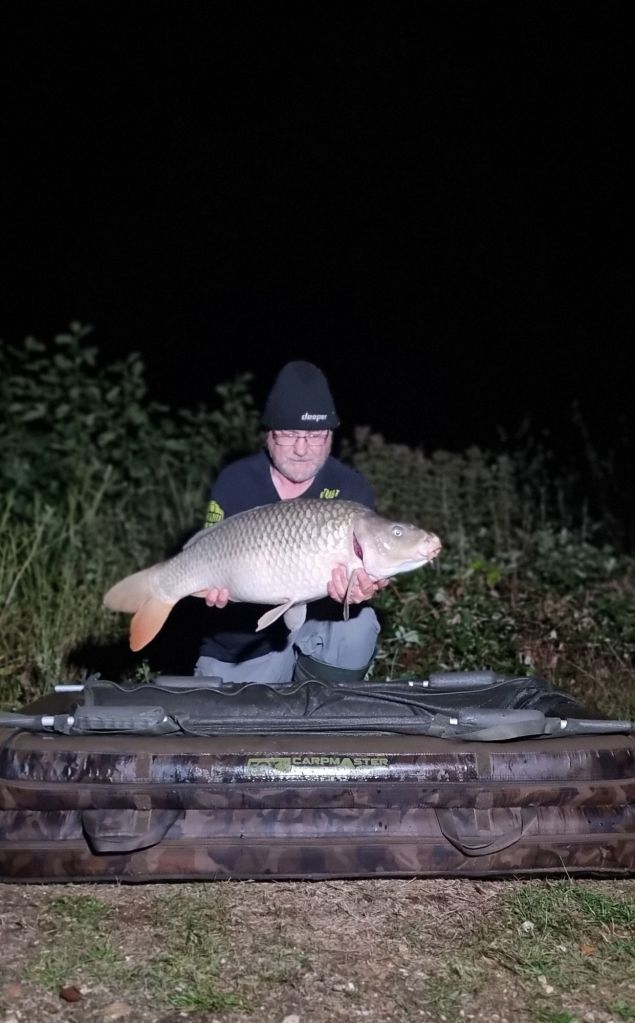
At 0145 hrs the left-hand rod was away again, this time with a not-so-hard-fighting carp.
18lb 6oz Common
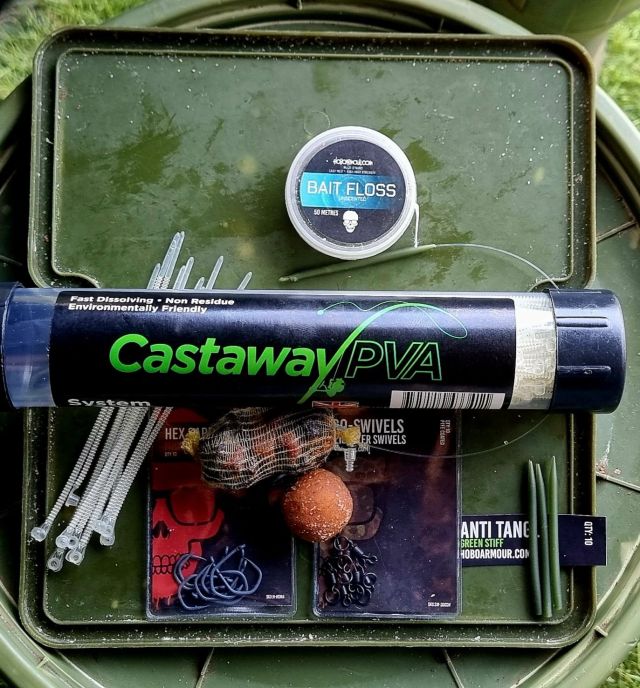
Fresh rig, fresh bait and a fresh PVA bag were put back out, and there was definitely a chill in the autumn air tonight.
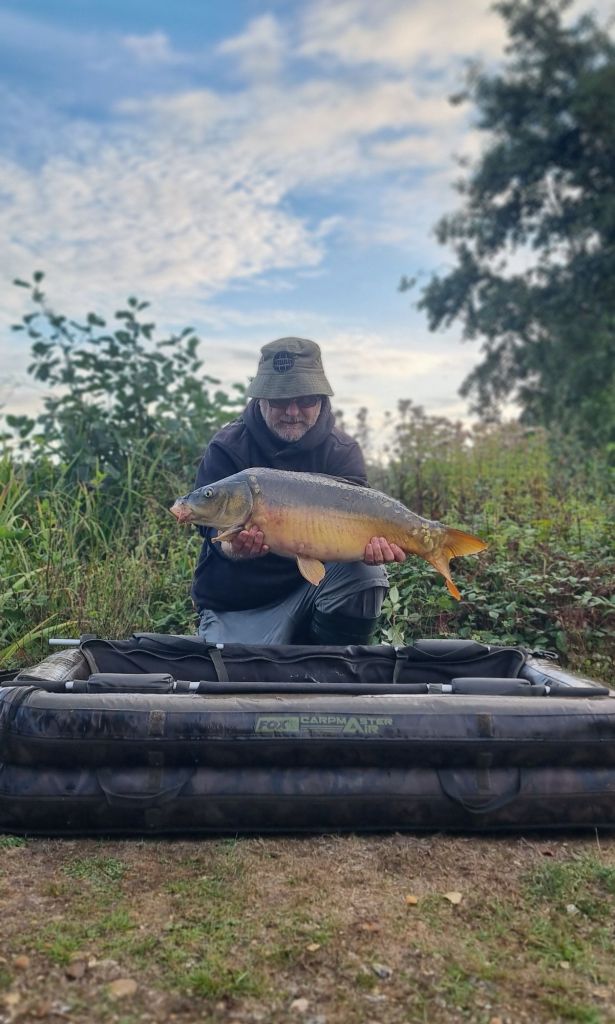
At 0745 hrs I was lying in the bivvy thinking I really needed to get out there and put a fresh bait on the right-hand rod, when the left-hand rod was away again.
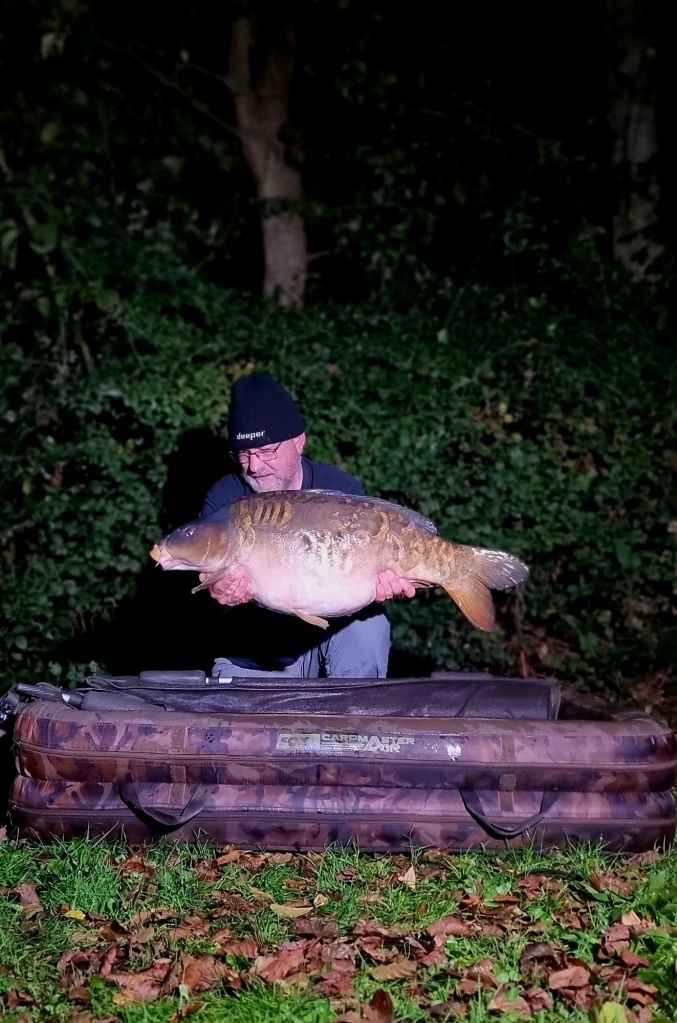
This time it was a lovely Airfield Lake mirror.
By 0915 hrs my coffee was cold, the carp and tench had both been returned, and both rods were back out on fresh rigs and fresh PVA bags. I also put a few 24mm EnerGize freebies over the spots, ready for the main top-up around 1130 hrs.
Then, at 0933 hrs, the left-hand rod was away again.
Another one of those carp that absolutely loves fighting on the surface, which is something I really don’t like! Thankfully, it didn’t take too long before it slipped over the cord.
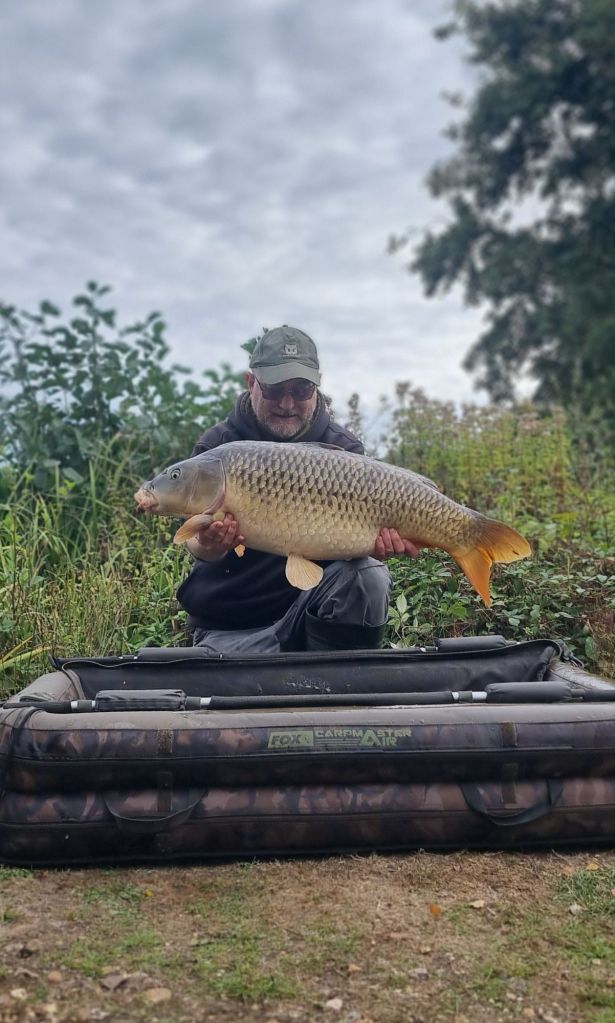
27lb 3oz Common
Superb result.
Not long afterwards, I also had a pike on the same rod. Luckily, it was nicely hooked in the scissors and was soon released.
I don’t need too many of those, but it did show me that there were plenty of feeding fish out there of all species.
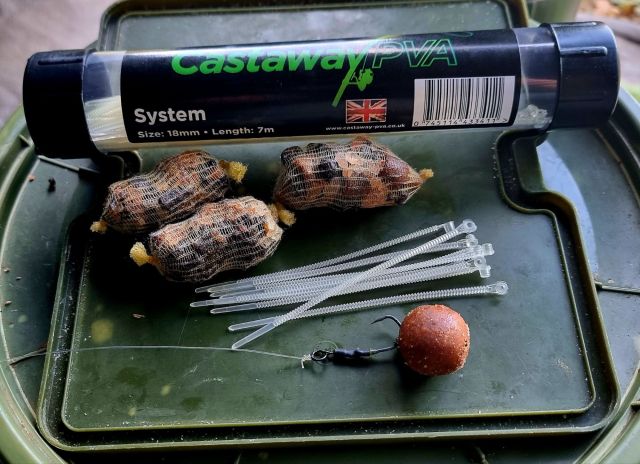
At 1115 hrs I was right in the middle of making up more Castaway-PVA mesh bags, with fishing kit spread all over the bedchair, when the left-hand rod was away again.
For the first 30 seconds it felt like a tench before suddenly going absolutely crazy.
I had to keep it away from the snags to my right and eventually managed to gently play it out under the rod tip.
22lb 1oz Common
Ian had now arrived, and as soon as he started Spombing, that was my cue to do the same.
We both wanted to keep all the noise to one small period rather than constantly disturbing the area throughout the day. By around midday we were both done and dusted, and hopefully there would be some afternoon action to follow.
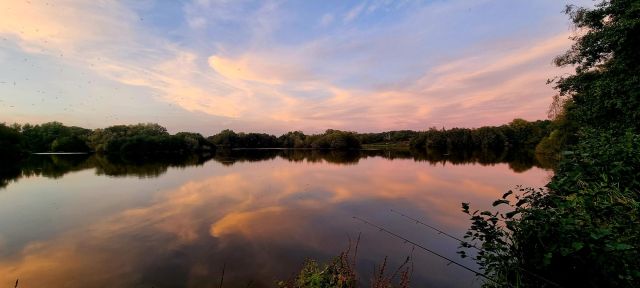
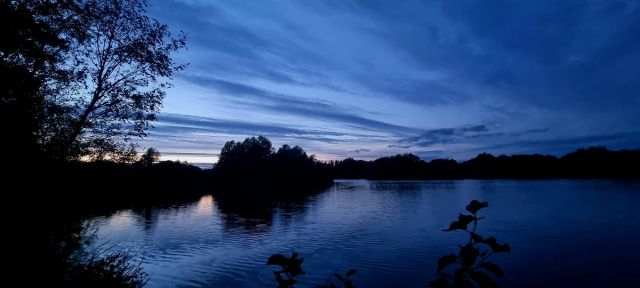
I had a couple more nice commons over the afternoon, while the evening was incredibly peaceful, with flat-calm water and a beautiful purple sunset.
The following morning I was up at around 0700 hrs putting out fresh bags and hookbaits after a completely bleep-free night.
It wasn’t what I’d expected after the previous action, but these things happen on this lake. The carp can be quite nomadic and can move away just as quickly as they move in.
Hopefully, the daytime action would return.
At 1045 hrs it was time to pop up the road and collect my Jurassic Particle order, perfectly timed as always. I just love the service I get from these guys.
By 1153 hrs I was back sitting on the bedchair, with both rods back on their spots and the wind pushing nicely onto the bank.
At 1235 hrs the left-hand rod was away again.
Another one of those surface-fighting carp that I love so much!
Everything was going well until it suddenly ripped off from the left-hand margin, straight across the front of the swim and through the line from the right-hand rod.
It then headed underneath the overhanging trees some 15–30ft away.
I managed to sink the rod tip, but only a second or so later the fish rolled on the surface underneath the trees.
Then…
Ping!
Out came the hook.
Hopefully that wouldn’t be my last bite of the session.
At 1830 hrs, finally, the right-hand rod was away after no action for at least 36 hours.
That spot had previously been very reliable, so it was good to see it produce again.
After another hard fight, and with me slightly panicking after losing the previous fish, the carp started heading ever closer to Ian’s swim. Thankfully I got it back under control and eventually into the net.
23lb 1oz Common
Another one in the bag.
The final night passed completely bleep-free, and I slept deeply until nearly 0900 hrs, which came as a bit of a shock.
I’m normally awake early on the final morning, sitting there soaking up the atmosphere, but obviously my body was telling me I needed the rest.
I was packed up and on the road home by 1100 hrs.
Another really enjoyable session at The Airfield Lake, and with the clock ticking towards the end of October, I’m going to make the most of every opportunity I get.
🦖 JURASSIC PARTICLES – TIME TO RETHINK YOUR BAIT? 🦕
💰 BOILIE PRICES GOING THROUGH THE ROOF? 🎣
With the cost of boilie ingredients continuing to rise and further price increases potentially on the horizon, is it time to rethink what you’re putting into your swim?
🐅 ENTER THE HUMBLE TIGER NUT! 🐅
Tiger nuts have been catching carp for decades, including some of the biggest fish in the country. They’re proven, affordable and incredibly effective!
✅ Cost-effective – Get more bait for your money without compromising on quality.
✅ Proven big carp catcher – Tiger nuts have a fantastic track record for tempting wary carp.
✅ Natural attraction – Their sweet, nutty flavour and crunchy texture make them irresistible to feeding carp.
✅ Versatile – Fish them whole, chopped or crushed, on their own or mixed with hemp and maize.
✅ Perfect boilie alternative – Why spend a fortune filling your swim with boilies when a well-prepared particle approach can be just as effective?
💥 HERE’S A THOUGHT…
You don’t have to stop using boilies altogether. Why not reduce the amount you use and bulk out your baiting approach with quality particles?
At Jurassic Particles, we believe catching carp shouldn’t cost the earth.
Our expertly prepared tiger nuts, hemp, maize and particle mixes give you quality bait, fantastic attraction and excellent value for money.
🎣 With boilie prices potentially soaring, could 2027 be the year of the particle?
💬 What do you think? Would you swap some of your boilies for tiger nuts to keep your bait costs down?
🦖 JURASSIC PARTICLES – QUALITY BAIT WITHOUT THE PREMIUM PRICE TAG! 🦕
📍 Check out our full range here: jurassicparticles.co.uk
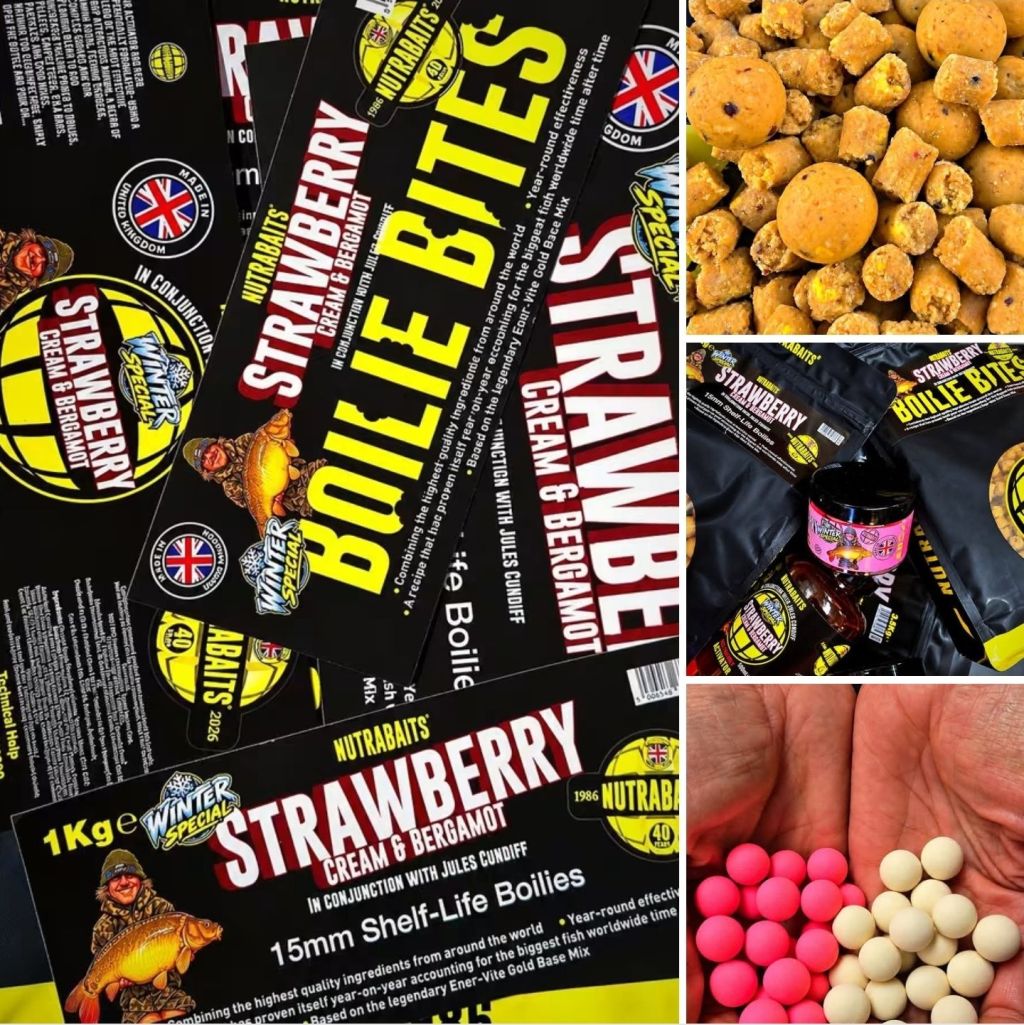
WINTER SPECIAL — A TRUE NUTRABAITS CLASSIC RETURNS! 🍓🍦
Every October, we bring back a classic recipe for the colder months. For our 40th anniversary, it had to be something special — a big favourite of Julian Cundiff, with a track record of catching in all conditions.
So, what’s in it? 👇
✅ Ener-Vite Gold — our yellow birdseed base mix, one of the most digestible baits we’ve ever produced and a firm favourite with carp. ✅ Strawberry Jam & Cornish Ice Cream — a classic flavour combination with an aroma you’ll struggle to put down. ✅ Bergamot Essential Oil — the much-talked-about finishing touch to this distinctive flavour profile.
To take this classic recipe even further, we’ve added optimum levels of amino-rich Liquid Enzyme, along with Cajoler Powder, to finish the bait off perfectly.
A classic recipe. Built for cold-water confidence. 🎣
Available online NOW, arriving at stockists over the coming weeks and staying with us throughout the show season.