A Season of Challenges, Lessons and One Unforgettable Session
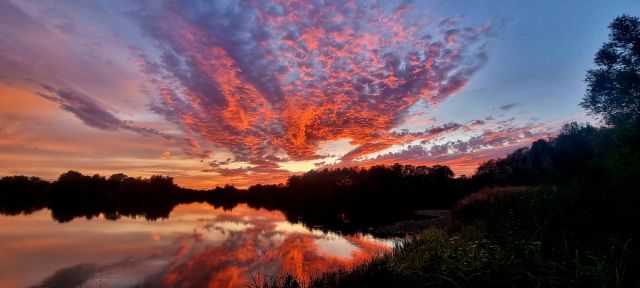
As another season on Airfield Lake draws to a close, it’s time to look back at what has been a fascinating year of carp fishing. There have been difficult sessions, changing conditions, plenty of lessons learned and, ultimately, some fantastic rewards.
Airfield Lake is a venue that continues to challenge me. Covering around 64 acres, this former gravel pit has a mixture of bars, boulders, islands, channels and areas of varying depth. Understanding how the carp use these features is a significant part of the challenge, particularly when water levels change throughout the season.
I’ve been fortunate enough to fish this venue for several years, but that doesn’t mean I have it worked out. Far from it. Every season brings something different, and 2026 has been a perfect example of why I enjoy the challenge.

The Season in Numbers
Looking back through my catch records, I’ve recorded 63 carp from Airfield Lake between April and September, including several cracking fish and a number of memorable sessions.
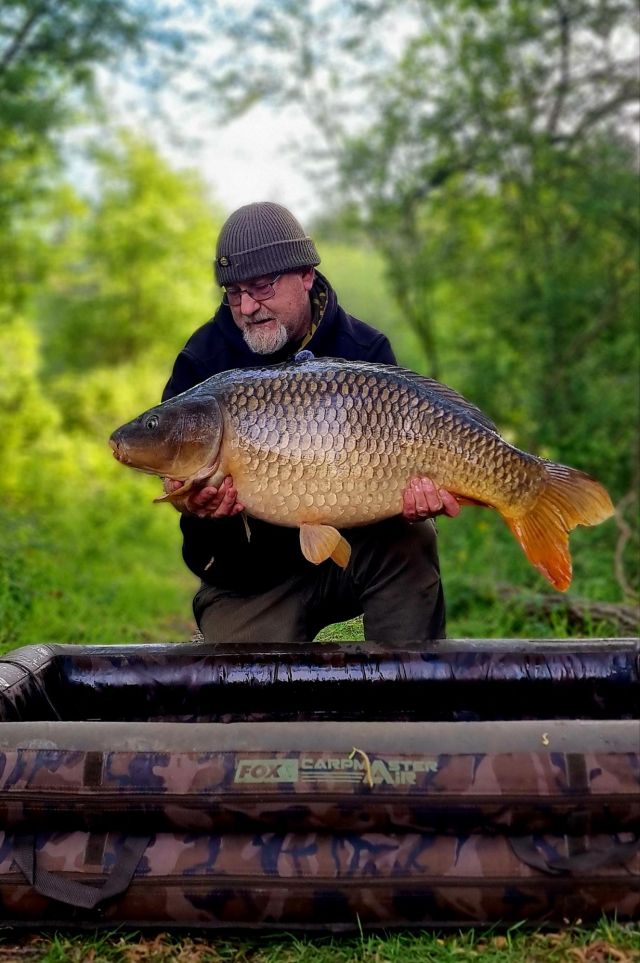
My season highlight was undoubtedly the extraordinary September session when I landed 20 carp, with the best weighing 27lb 3oz. However, there were plenty of other highlights along the way, including a superb 31lb 1oz common in May.
What those figures don’t show is the time spent watching the water, studying the lake bed, making decisions about where to fish and occasionally wondering whether I’d made the right choice!
That’s the nature of carp fishing. You can do everything right and still struggle, while sometimes a well-thought-out plan comes together far better than you could ever have imagined.

Spring: Getting Back into the Rhythm
The early part of the season wasn’t always straightforward. March had been particularly difficult on the wider syndicate, and as spring progressed, I was keen to make the most of my opportunities on Airfield Lake.
April brought some encouraging results, including a run of commons that gave me confidence in my approach. By May, however, the lake was becoming increasingly challenging, with angling pressure, changing conditions and the occasional difficult wind direction all playing their part.
One of the most memorable sessions came towards the end of May. After three nights in tricky easterly conditions, I eventually landed a stunning 31lb 1oz common.

It was a hard-earned result and a reminder that persistence can pay off, even when the conditions aren’t particularly favourable.
Rather than simply sitting in one spot hoping for the best, I had to assess the situation, reconsider my options and make the most of the opportunities available.
That fish was a real highlight of the spring and gave me plenty of encouragement for the months ahead.
Deeper Maps+: Building a Better Understanding of the Lake
One of the biggest factors in my approach to Airfield Lake is the time I spend using Deeper Sonar and Maps+.
I’ve been involved with Deeper since 2018, and Maps+ has become an important part of my preparation. I don’t have the luxury of fishing from a boat, so I’ve spent considerable time mapping the lake from the bank, particularly during March and April when access and water levels allow me to build up a clearer picture of the lake bed.
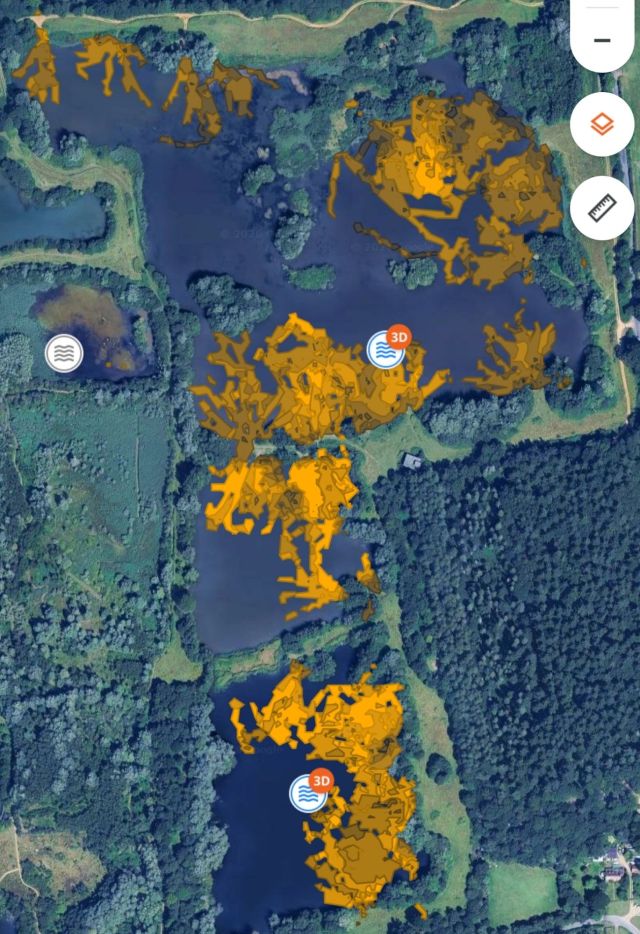
I can then study the information at home on my laptop, where the larger screen makes it much easier to understand the layout of the lake and identify areas that deserve further attention.
I’ve also adjusted the colour palette to make the deeper areas easier to identify. When you’re looking at a water that can become extremely shallow, with bars and boulders appearing as levels drop, that information can be invaluable.
For me, Maps+ isn’t simply about finding a spot to cast to. It’s about building an understanding of how the different areas connect, where the deeper water lies and how the carp might move between features.
I’ll combine that information with what I see on the bank, including showing fish, wind direction, weather changes and the behaviour of other anglers.
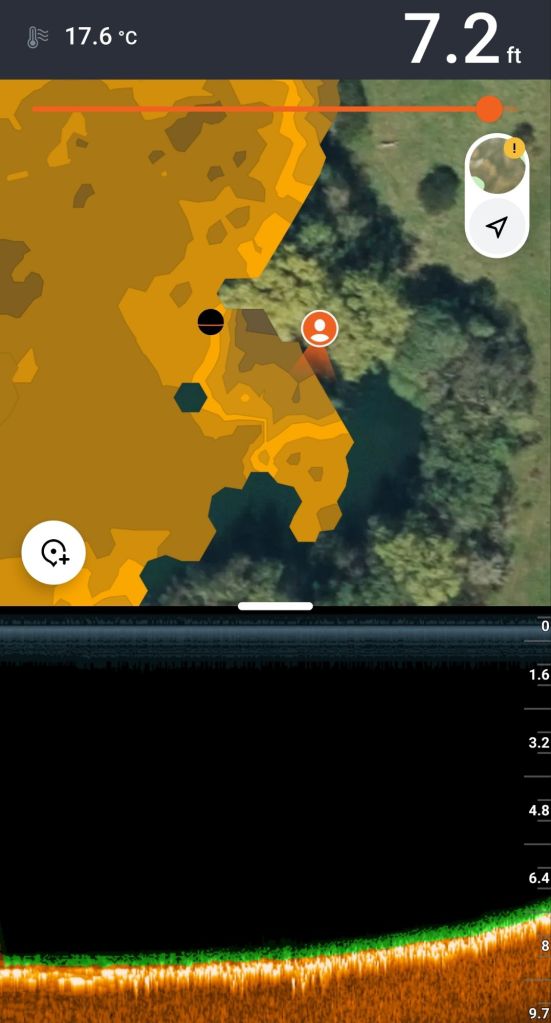
The mapping gives me a starting point, but it doesn’t replace observation or watercraft.
I still need to make the right decisions when I arrive.
Throughout 2026, having that information available before leaving home helped me narrow down my options and approach each session with a clearer plan.
Summer: Adapting to Low Water Levels
Summer brought another set of challenges.
The weather became increasingly hot at times, and the lack of rain meant that water levels dropped considerably. In some areas, there was only around three feet of water over my spots.
That had a significant effect on how I approached the fishing.
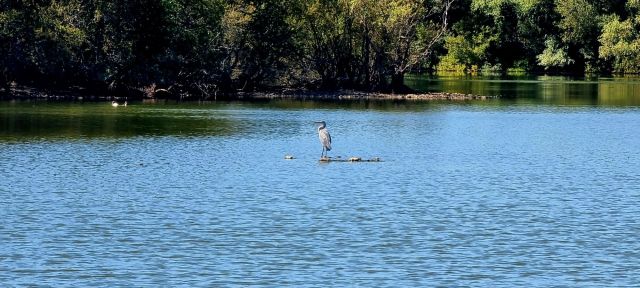
With less water over the bars and boulders, accurate casting and careful fish-playing became even more important. Some areas that had previously been manageable became much more difficult, particularly when playing a carp that wanted to head straight towards a submerged boulder.
I had a few uncomfortable moments, including losing fish in difficult situations. Those experiences are frustrating, but they also teach you something about the water and where you might need to change your approach.
I started paying even closer attention to the features in front of me, using my previous mapping work to understand where the potential problems lay.
Swim choice was equally important.
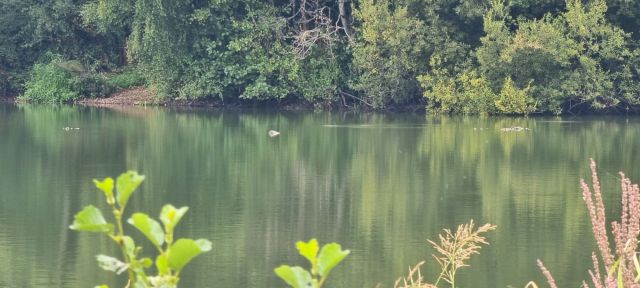
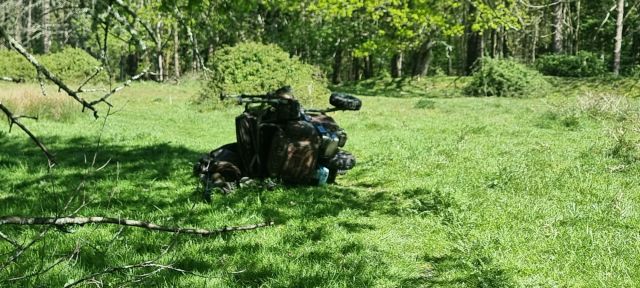
You can see the boulder sticking out of the water.
During the hotter spells, I often looked for shade and considered how comfortable I would be spending the next couple of nights in a particular swim. I also paid close attention to the wind, as even a small change could influence which area I wanted to fish.
I don’t believe in choosing a swim simply because it has produced fish previously. Conditions change, and you have to be prepared to adapt.
Sometimes that means moving. On other occasions, it means having the confidence to stay put and give your plan time to work.
Nutrabaits and Jurassic Particles: A Consistent Approach
Bait has played an important role in my Airfield Lake campaign, and I’ve continued to build my approach around Nutrabaits boilies, particularly the EnerGize range, alongside Jurassic Particles.
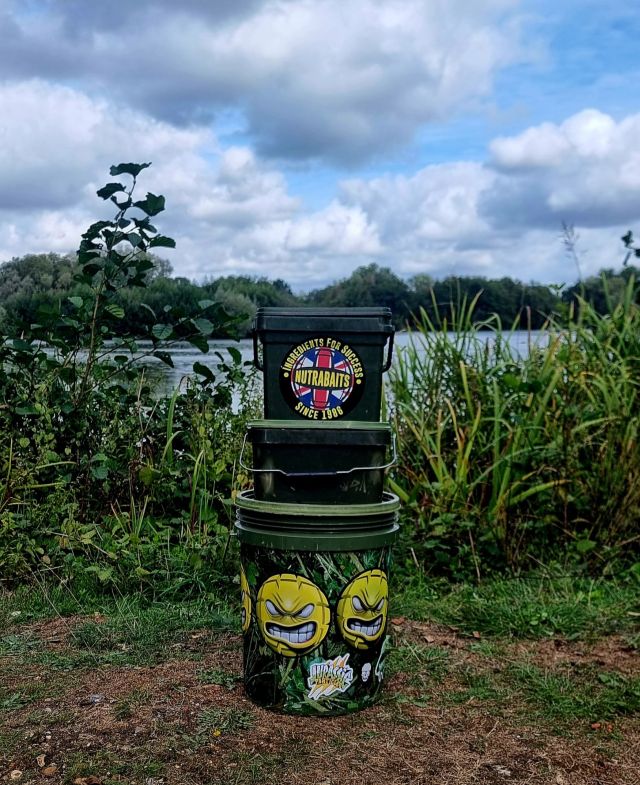
My preference has been to combine boilies with a mixture of hemp and buckwheat, creating a bed of bait that encourages the carp to spend time feeding in the area.
However, the amount of bait I introduce depends on the situation.
There have been sessions when I’ve started cautiously, using a handful of boilies around each spot, a small Spomb of particles and a little crushed bait in a Castaway PVA mesh bag.
On other occasions, particularly when I’ve found an area I’m confident the carp are using, I’ve committed to a more substantial initial baiting approach.
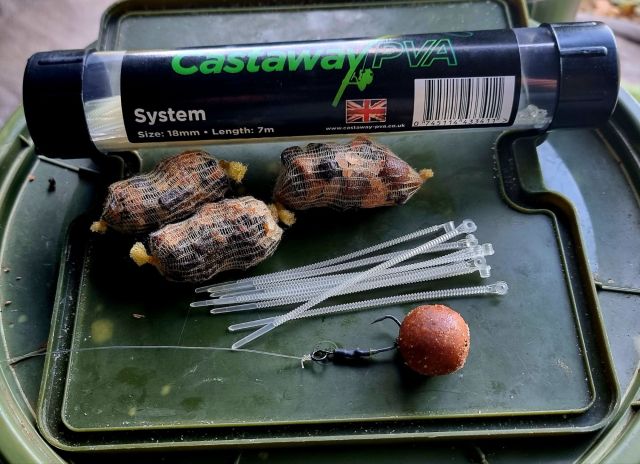
The September session that produced 20 carp was a perfect example of the latter.
I introduced approximately two kilos of mixed Nutrabaits boilies, alongside Jurassic hemp and buckwheat, before allowing the area to settle. I also catapulted a few 24mm boilies around the swim.
The plan was to establish a decent bed of bait without continually disturbing the area. Rather than repeatedly Spombing throughout the session, I wanted to give the carp an opportunity to move in and feed with confidence.
I would then top up with a few boilies if I felt it was necessary.
The results were extraordinary.

Of course, no baiting approach guarantees success, and I wouldn’t suggest that introducing more bait will automatically produce more carp. The location, conditions and behaviour of the fish all matter.
What worked so well on this occasion was the combination of finding an area I liked, introducing the bait with a clear plan and then having the confidence to leave it alone.
It was a reminder that sometimes doing less, once the initial preparation is complete, can be just as important as the bait you put in.
September: Twenty Carp in One Session!
Every angler has sessions that stay with them for years, and my September trip to Airfield Lake will certainly be one of mine.
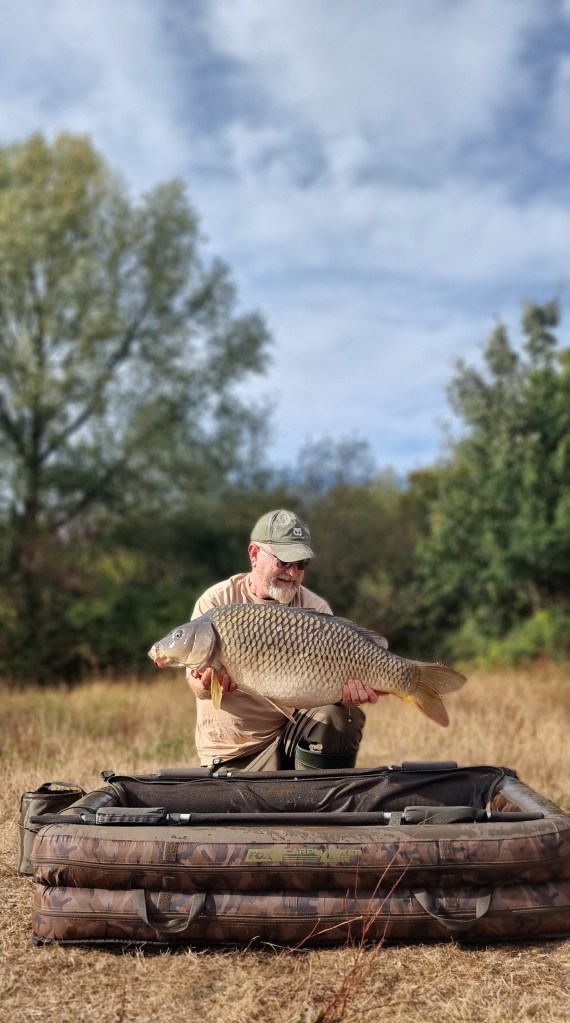
I arrived with a plan based on the information I’d gathered using Deeper Maps+. The falling water levels had exposed more of the lake’s features, allowing me to build a better understanding of the bars and boulders in the area.
The forecast was also encouraging, with falling atmospheric pressure, strengthening winds and rain expected.
I decided to fish an area I’d already considered carefully, introduced my bait and waited to see what happened.
The first reward was a lovely 27lb 3oz common.
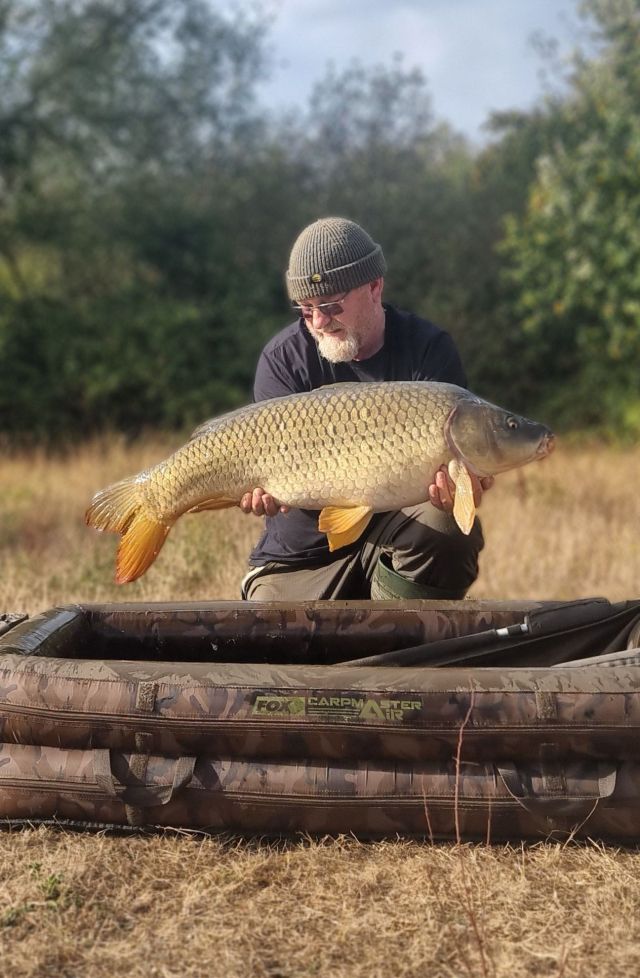
From there, the session developed into something quite remarkable.
The carp continued to feed, and the action became increasingly hectic. There were occasions when I barely had time to get one fish sorted before another rod was away.
The session included several twenties, multiple fish over 25lb and some beautiful Airfield Lake commons. The final fish, a 24lb 13oz common, brought my tally to 20 carp landed.
I also lost one fish during the session, but considering the number of opportunities I had, I couldn’t complain.
It was comfortably my best session on Airfield Lake.
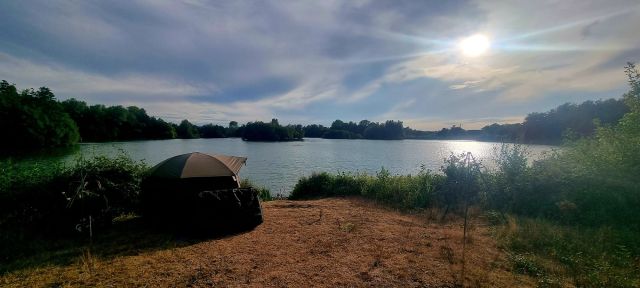
What made it particularly satisfying was that I hadn’t simply turned up and hoped for the best. I’d spent time studying the water, considered the weather, selected an area based on the information available and introduced my bait with a clear strategy.
The conditions then came together, and the carp responded.
I don’t think you can ever guarantee that sort of result, and I certainly wouldn’t expect to repeat it every time I visit. That’s part of what makes carp fishing so addictive.
You can spend several sessions struggling for a bite and then suddenly experience something extraordinary.
After more than 40 years of carp fishing, that feeling hasn’t changed.
Reading the Weather and Understanding Carp Movement
If there’s one lesson Airfield Lake reinforced this season, it’s the importance of considering the weather alongside everything else.
I’ve often found that a good south-westerly wind pushing through the lake can create opportunities, while a cold northerly can make things considerably more difficult.
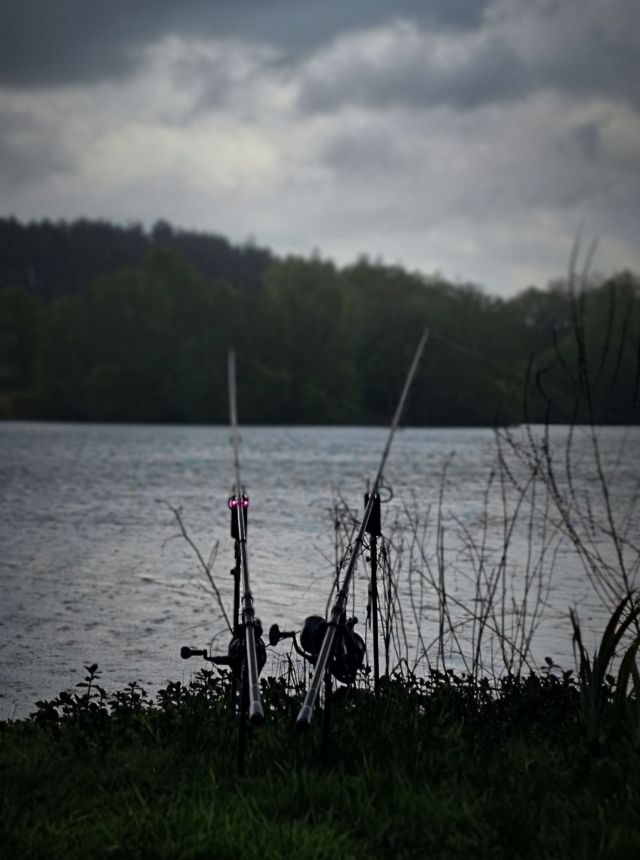
Of course, there are no guarantees. The wind doesn’t always tell the whole story, and carp can behave very differently from one session to the next.
I’ve had sessions when the conditions looked perfect on paper, but the fish simply weren’t where I expected them to be.
At other times, a last-minute decision to head out has resulted in several carp.
My approach is to use the forecast as part of the decision-making process rather than treating it as a guarantee of success.
I’ll look at the wind direction, temperature, atmospheric pressure and any expected changes in conditions. I’ll then compare that information with what I already know about the lake and the areas the carp have been using.
Maps+ helps me understand the physical layout of the water, while time spent watching the lake helps me understand what the fish might be doing.
Neither provides all the answers on its own, but together they give me a much better starting point.
Tackle, Presentation and Playing Fish
Fishing Airfield Lake also requires careful consideration of tackle and presentation.
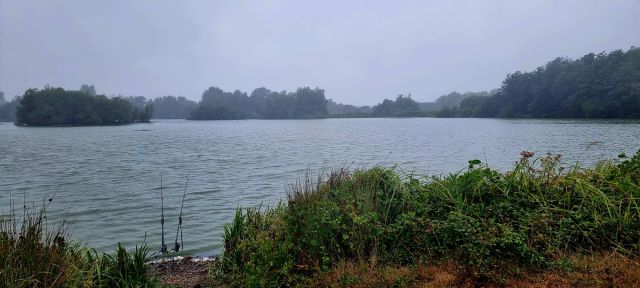
The combination of shallow water, submerged boulders and gravel bars means that playing fish can be particularly challenging. A carp can quickly find a difficult area, leaving you with the uncomfortable feeling that the next few seconds could determine whether you land it.
I’ve had to learn where I can apply pressure and where I need to take a more measured approach.
My hookbait presentation has remained relatively straightforward, using Nutrabaits hookbaits to complement the free offerings.
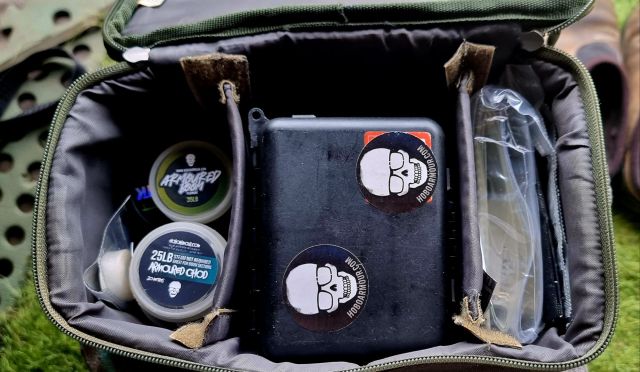
I’ve also continued to use Hobo Armour components in my end tackle and have spent time refining my hooklinks.
I’m always looking for ways to improve my presentation, but I don’t believe in changing things simply for the sake of it. If an approach is working and I’m confident in it, there’s often little reason to complicate matters.
Equally, if I identify a problem, I’ll try to understand why it happened before deciding what to change.
The low water levels made this particularly important during 2026. Some areas required extra care when playing fish, and there were occasions when I had to reconsider whether a particular spot was worth the risk.
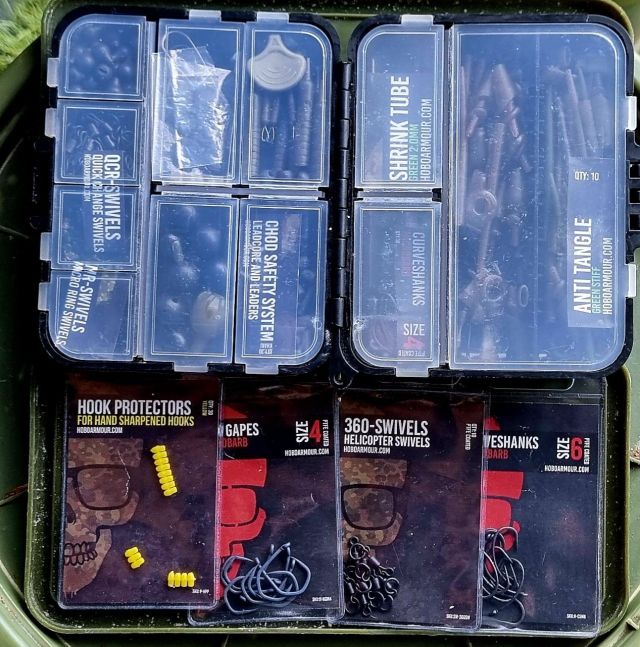
Catching a carp is never worth compromising fish welfare or personal safety.
Looking Back: What Have I Learned?
There are several things I’ll take away from this season.
First, preparation matters. Spending time studying the lake bed before arriving can save time on the bank and help me make more informed decisions.
Second, confidence in your baiting approach is important. Nutrabaits boilies and Jurassic Particles hemp and buckwheat have given me a consistent approach, but I still need to consider the conditions and how much bait is appropriate.
Third, the weather deserves attention. Wind direction, temperature and changing conditions can all influence where I choose to fish, although none guarantees a result.
Fourth, don’t ignore what the lake is telling you. Watching for showing fish, paying attention to water levels and recognising when an area has become difficult are all important parts of the process.
Finally, patience still matters. Sometimes you need to give an area time to produce, while on other occasions you have to accept that your original plan isn’t working and make a change.
The challenge is knowing which approach to take.
Another Season Comes to an End
As the season draws to a close, I’m delighted with what I’ve achieved on Airfield Lake.
The 31lb 1oz common in May was a fantastic fish, and the September session producing 20 carp will take some beating.
But the season wasn’t simply about the biggest fish or the final tally.
I’ve enjoyed learning more about the lake, improving my understanding of its features and continuing to develop an approach that suits the way I fish.
Deeper Maps+ has played an important role in that process, helping me build up a picture of the lake bed and make more informed decisions about where to fish. Nutrabaits and Jurassic Particles have remained central to my baiting strategy, while experience has helped me adapt when the conditions haven’t been quite right.
There have been frustrating moments, lost fish and sessions when the carp simply didn’t cooperate. That’s part of the game, and I wouldn’t expect every trip to end with a net full of fish.
For me, carp fishing has always been about more than chasing personal bests. I enjoy the challenge, the peace and quiet, the wildlife and those early mornings when you’re sitting beside the water with a brew, watching the world wake up.
After more than four decades of carp fishing, I still get the same buzz when a rod springs into life.
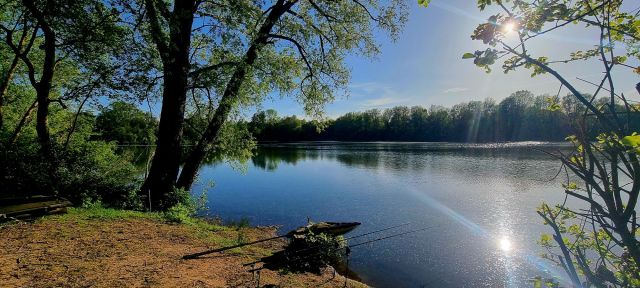
That’s why I’ll keep coming back.
Airfield Lake has certainly given me plenty to think about this year, and I already know I’ll be looking forward to returning when the new season opens.
Until next time,
Richard Handel
P.S. A Change of Focus for October
With Airfield Lake having produced such a fantastic season, I decided that October was the time to turn my attention towards Meadow Lake. Having enjoyed some great results on Airfield, I felt that putting in a little extra effort on Meadow before winter really set in could pay dividends.
Rather than simply continuing to fish the venue I’d enjoyed so much throughout the year, I wanted to make the most of the remaining autumn opportunities and see whether a change of focus would bring its own rewards.
As it turned out, the decision paid off in spectacular fashion! By putting the time in, studying the conditions and applying the same approach to location and bait, I was rewarded with a magnificent 42lb 11oz common carp from Meadow Lake.
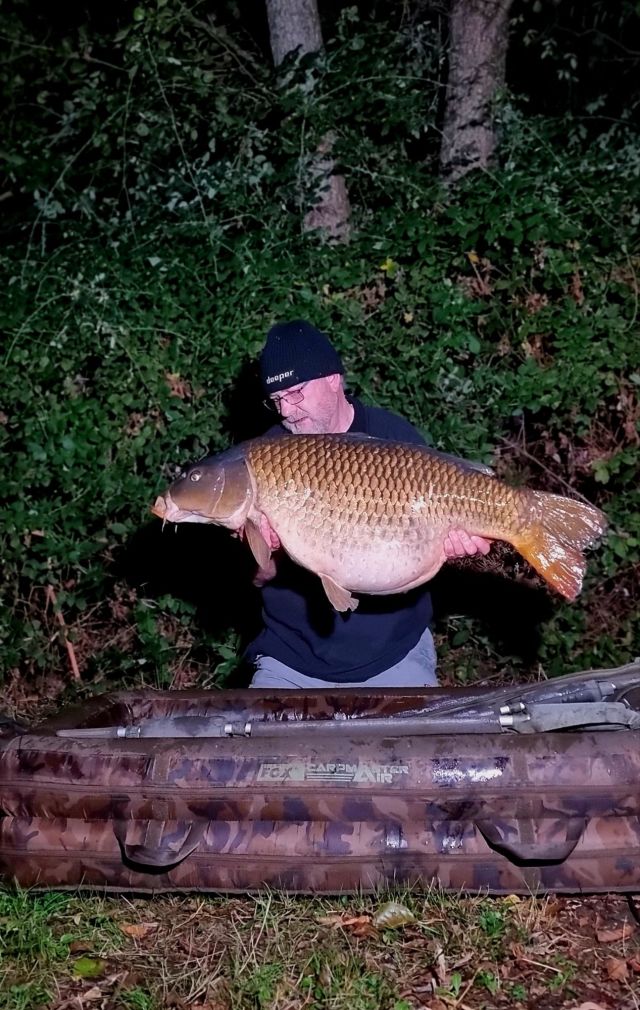
It’s a perfect reminder that sometimes the best decision an angler can make is to look beyond the water that’s already producing and concentrate on the opportunities that lie elsewhere. With winter approaching, that extra effort on Meadow Lake certainly proved worthwhile!
P.P.S. I had one more session on the Airfield Lake leading up to the closing day.

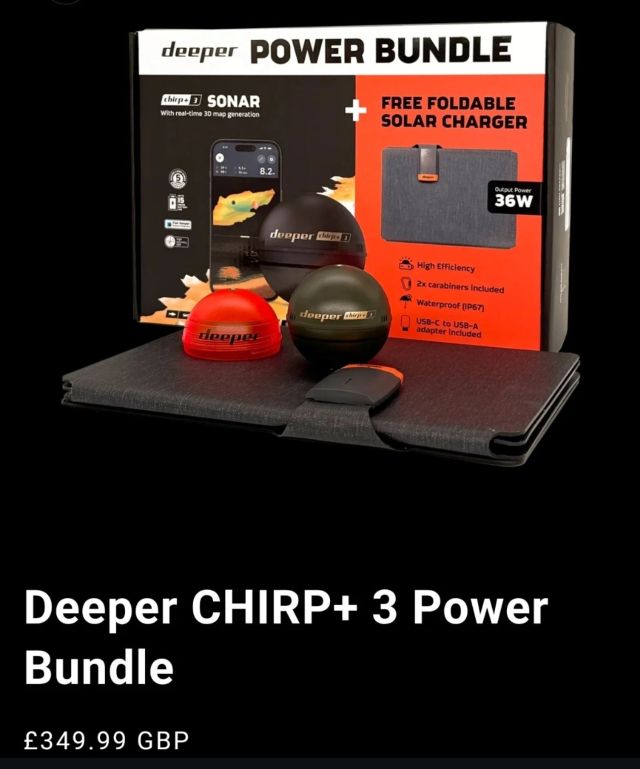
Get 10% off Deeper with Code – RICHARD10