Winter baiting — questions and thoughts
We always get the same refrain as autumn ends: “Cut the bait right back — it’s winter, the carp feed less.” Trouble is, that conversation often starts in October when the carp are still very much on the munch. So I’ve been asking myself — and anyone who’ll listen — why are we so quick to reduce bait? Here’s how I see it after years of winter fishing, and why I think a blanket “feed less” rule isn’t always the right call.
When to change your baiting — don’t be slavish to the calendar. People treat November like a switch: as soon as the calendar ticks over you’re supposed to feed less. But the water can still be warm, the weather mild, and the fish still actively feeding. If bites become harder it’s not always because the carp have stopped feeding — it can be because they’re feeding on naturals, because there are far fewer anglers on the bank (so less bait going in overall), or because the fish have moved to quieter areas of the lake. For those reasons I often increase baiting slightly in November to compensate for the drop in overall bait pressure and try to keep fish feeding where I’m fishing.
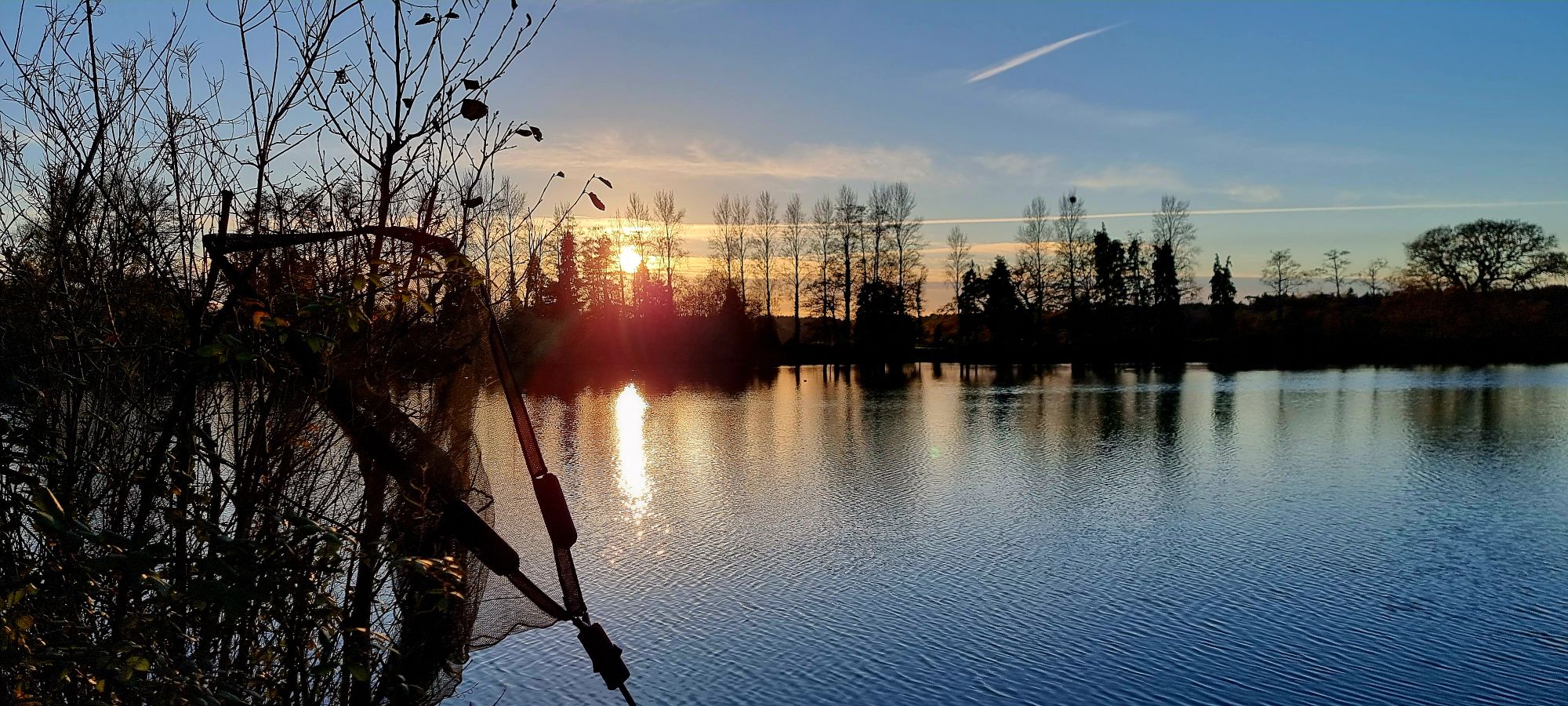
If conditions stay mild, don’t change your program just because of the date. Keep an eye on water temperature and fish behaviour, and adjust accordingly — not by an arbitrary rule.
December and early January — a tricky transition By late December and early January things often change: water temps drop and weather patterns turn. That said, this isn’t always the “proper” harsh winter. If we don’t get a prolonged cold snap (or the infamous “Beast from the East”) the carp can still be active. Early January can be a good time to fish — anglers come back after the holidays, and you can benefit from the renewed bait input around the lake. Ultimately, it’s weather-dependent: a cold, stable period will quieten fish more than a mild, unsettled one.
Late January to early February — my favourite window This is the period I watch closely. Winters are usually mild and wet rather than dry and icy, and those occasional frosty, sunny days can produce excellent fishing. I’ve had winter sessions where the sun warmed the bank, there wasn’t a soul about, and I was catching as if it were a milder season. You’ve just got to be prepared for the cold and enjoy the quiet.
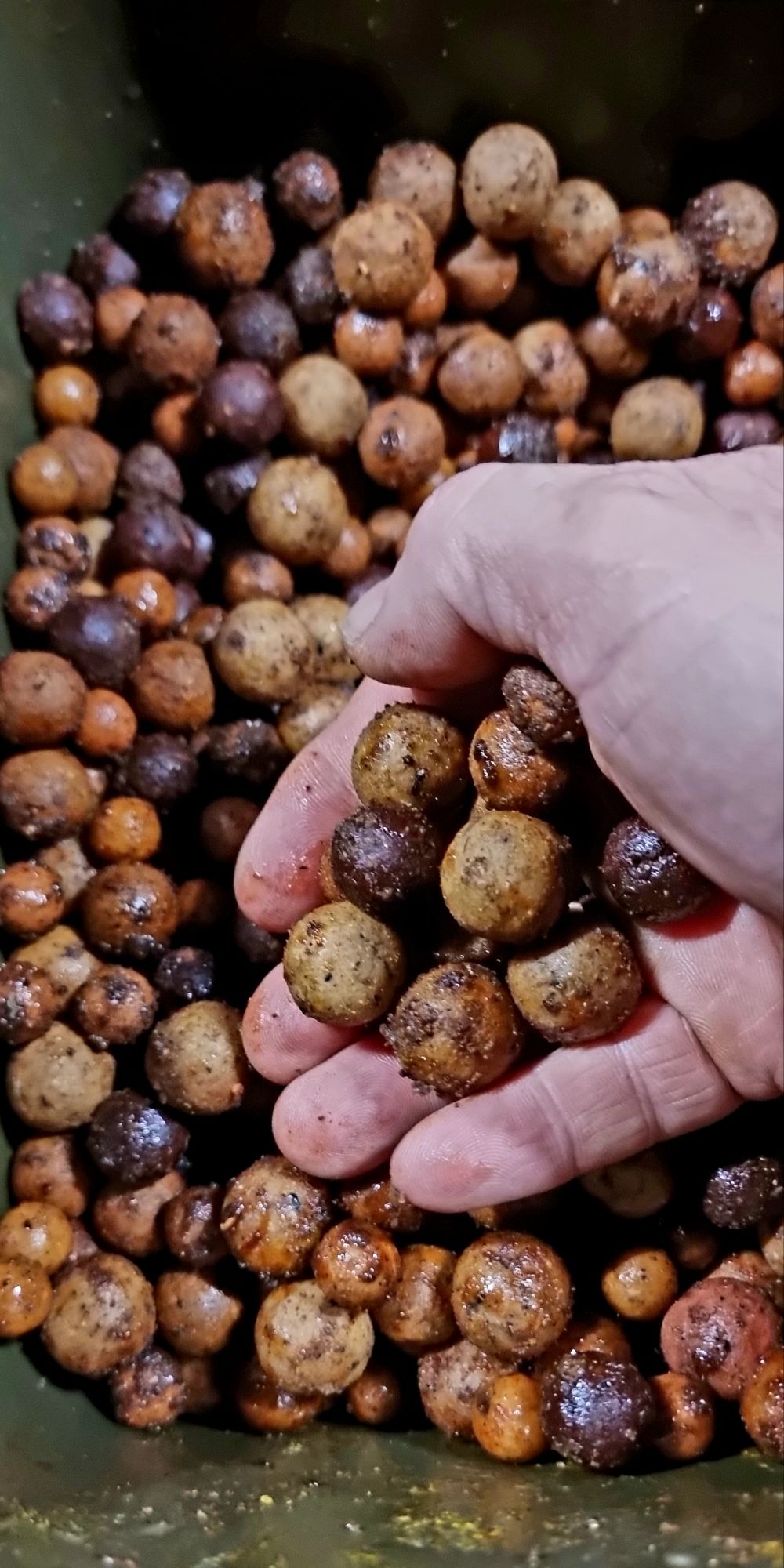
February into March — when things can really turn — carp will often still be feeding through late February into March if lakes have had a steady input of bait from November onwards. If, however, most anglers switch to single hookbaits and tiny spod loads, you’ll be left fishing those limited tactics. If you — and a few others — keep a consistent baiting program through winter, you stand a very good chance of having an excellent late-winter period. I’ve experienced this several times: get a few people committed to the winter bait program, and the results speak for themselves. The hardest part is convincing the others and keeping that collective discipline.
A controversial view — but backed by experience, I know this goes against the grain. I was brought up with the idea that carp didn’t feed in winter. Maybe that was true decades ago, but things have changed. Once a handful of anglers discovered winter carp feeding and started catching, others followed, and we learned it was possible. With milder winters becoming more common, the old rules need a rethink. Don’t dismiss winter baiting out of hand — experiment, watch the conditions, and think it through.

Practical pointers • Watch the water temperature and fish behaviour — they matter more than the date.
• If the water and weather are mild, consider maintaining your autumn bait levels or even bumping them up a touch to counter reduced bank pressure.
• If bait pressure around the lake drops dramatically, you can create an advantage by continuing to feed.
• Be flexible: switch tactics when the fish change behaviour (naturals vs. attracted to bait).
• Get a few local anglers on board — collective effort can turn a quiet winter into a productive one.
• Don’t forget comfort: if you want to fish in winter, sort your kit so you’ll enjoy being out there (warm kit, good stove, sensible bivvy setup).

Final thought, Winter carp fishing isn’t binary — it’s not “feed” or “don’t feed.” It’s about reading the conditions, understanding angling pressure, and being willing to adapt. If you put a bit of thought, keep consistent, and pick your windows carefully, winter can become one of the most rewarding times to fish.
Until next time,
Richard



Get 10% off Deeper with Code – RICHARD10