This winter’s fishing has been a marked improvement on the previous year. One of the biggest differences has been the reduction in my blood thinner medication, which has noticeably helped with circulation—particularly in my hands and feet, where I tend to feel the cold the most.
Alongside that, my bivvy heater has made a real difference to how I approach a session. I only use it during daylight hours and into the early evening, but it means I’m no longer forced to spend most of the day buried in my sleeping bag just to stay warm. Instead, I can stay active, keep watching the water, and fish properly rather than simply enduring the conditions.
That said, keeping my feet warm remains an ongoing battle. I’ve tried just about everything over the years—top-end jackets, salopettes, and some very expensive footwear—but none of it has truly solved the issue. The problem, as far as I can tell, is sweaty feet. Once moisture gets involved, it’s game over in winter. I’ve experimented with specialist antiperspirants and invested in quality merino wool socks, which certainly help with comfort, but I still end up with cold feet after a while.
At this point, I’ve more or less accepted it as one of those things. The heater has become the most reliable solution—it’s actually a greenhouse-style unit with a built-in thermostat, so it regulates itself by switching on and off as needed. More importantly, it’s fitted with a carbon monoxide monitor that automatically shuts the unit down if there’s any issue, which gives me peace of mind while using it in the bivvy.
All things considered, it’s been a far more comfortable winter on the bank, and that’s made a big difference not just to my fishing, but to how much I’ve enjoyed being out there.
This has most certainly made a big difference this winter. Not only has it allowed me to spend more time on the bank, but it’s also put me in a far better frame of mind while I’m there. Being comfortable and able to focus properly, rather than battling the cold, has had a clear knock-on effect—my concentration, observation, and overall decision-making have all improved.
In turn, that sharper mindset has translated directly into better results, with a noticeable improvement in my catch rate compared to previous winters.
February 2026 hasn’t quite unfolded as planned. The intention was straightforward: three nights a week on the bank, build some early-season momentum, and stay consistent. Instead, life intervened — as it tends to.
The car developed expensive issues. Three out of the four of us needed dental work, which turned into more treatment than first expected. Add a couple of GP visits and various unavoidable household jobs, and the bait-and-fuel budget disappeared almost overnight. I’m sure I’m not alone in thinking NHS dentistry could do with being more accessible — or at least more predictable in cost. When you start totalling those bills, it’s sobering.
As a result, the fishing diary looks lighter than anticipated: three-day sessions and two nights. For someone who genuinely had the calendar space to manage three nights most weeks, that feels under par. Still, there’s little value in dwelling on what didn’t happen. You work with the time available.
The positive? Those limited sessions still produced seven carp, including a 29lb 6oz mirror and a 25lb 6oz common. For February, that’s a return I can’t reasonably complain about. The bites weren’t frequent and nothing came easily — every fish required careful location, precise presentation, and minimal disturbance. Early-season carp are rarely obliging; they demand patience and accuracy.
What has lifted the mood most is the seasonal shift now underway. Over the past week, the change has been tangible. The Gorse is glowing yellow, Blackthorn is bursting into blossom, and Hawthorn is beginning to stir. Daffodils line the banks and hedgerows, daylight is stretching noticeably longer, and the whole landscape feels as though it’s waking from a long pause.
There’s something about this transition that sharpens the anticipation. The air softens, birds are louder at first light, and you sense the carp will soon begin to move with intent rather than caution. February may not have delivered the volume of sessions I’d hoped for, but it laid a solid foundation.
January 2026 has been a steady, thoughtful start to the year rather than a numbers game, and in many ways that feels entirely fitting. Opportunities to get out haven’t always aligned smoothly, with family illness and winter logistics dictating when sessions were possible, but when time has been found, it’s been used well.
Conditions have largely been typical of mid-winter: cool nights, modest daytime temperatures, fluctuating pressure, and plenty of overcast skies. Rather than chasing dramatic weather swings, the sessions that stood out were those fished under consistent conditions, allowing a more settled approach and clearer decision-making.
That consistency feels increasingly important at this time of year, both for confidence and for reading fish behaviour.
Time spent looking has arguably been as valuable as time spent fishing. There were sessions where extended periods of observation produced very little in the way of visible signs, and instead of forcing the issue, familiar swims were chosen—places that offer comfort, confidence, and a reliable starting point. That mindset has set the tone for the year so far: build from solid foundations rather than gamble unnecessarily.
Results-wise, January has delivered a proper winter reward in the shape of a solid common, proving that persistence and location still trump everything else. There have also been quieter spells, with stock fish making up the bulk of the action or sessions ending carp-less. In winter, that feels acceptable. You can’t choose what picks up your bait, and blank nights are part of the process rather than a failure of it.
What stands out most is the balance. Sessions have been enjoyed for what they are—time outdoors, a bit of comfort, some sunshine when it appears, and the slow but noticeable lengthening of the days. There’s no sense of rushing the year or measuring success against others. Instead, January has been about resetting, observing, and easing into 2026 with a clear head and realistic expectations.
If the rest of the year follows the same pattern—measured decisions, confidence-led swim choices, and patience with the conditions—then January will prove to have been a very solid foundation to build on.
December 2025 turned into a far more productive winter period than I’ve had in recent years, and the real difference this time was converting the limited opportunities into actual carp on the bank.
Winter fishing is never about numbers, it’s about moments—and this month gave me a handful of those moments that made every cold session worthwhile.
The first bite of the month summed things up perfectly. After hours of sitting behind motionless rods in cold, still conditions, the take came out of nowhere. A slow, deliberate lift rather than a screamer, but in winter, you learn very quickly that these are often your chances. Lifting into the fish, it felt solid straight away—heavy, plodding, using its weight rather than speed.
Playing carp in cold water always feels different. There’s no frantic runs, just deep, stubborn resistance, and you know you’re attached to something worth having. After a steady fight, keeping everything controlled, the fish eventually rolled into the net—a proper December reward. Not just another carp, but one that had clearly been feeding cautiously, picking off a well-presented bait rather than charging around.
That capture set the tone for the rest of the month.
What stood out across the sessions was how subtle everything was. The takes were rarely aggressive—more often slight indications, liners turning into chances, or single bleeps that needed acting on quickly. It reinforced the importance of staying alert, even during the quietest spells.
Another memorable capture came during a short daytime session, which is something I’ve always had confidence in during the winter. With the water temperature low and nights often lifeless, those short feeding windows in daylight become key. Again, it wasn’t a hectic take, just a tightening of the line and a steady movement away from the spot.
The fish kited hard into the margins, making full use of the near-bank features, but fishing locked up and staying in control paid off. Guiding it away from any danger, I eventually slipped the net under another solid winter carp. These are the fish that mean more—they’ve not made mistakes easily.
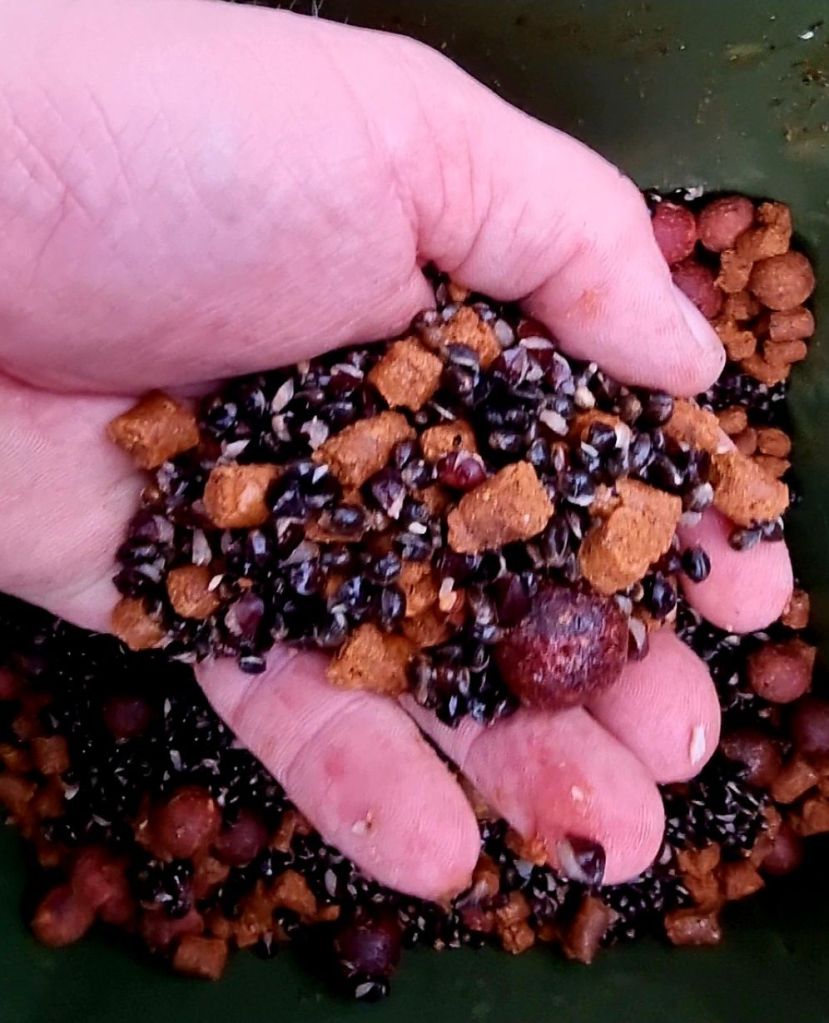
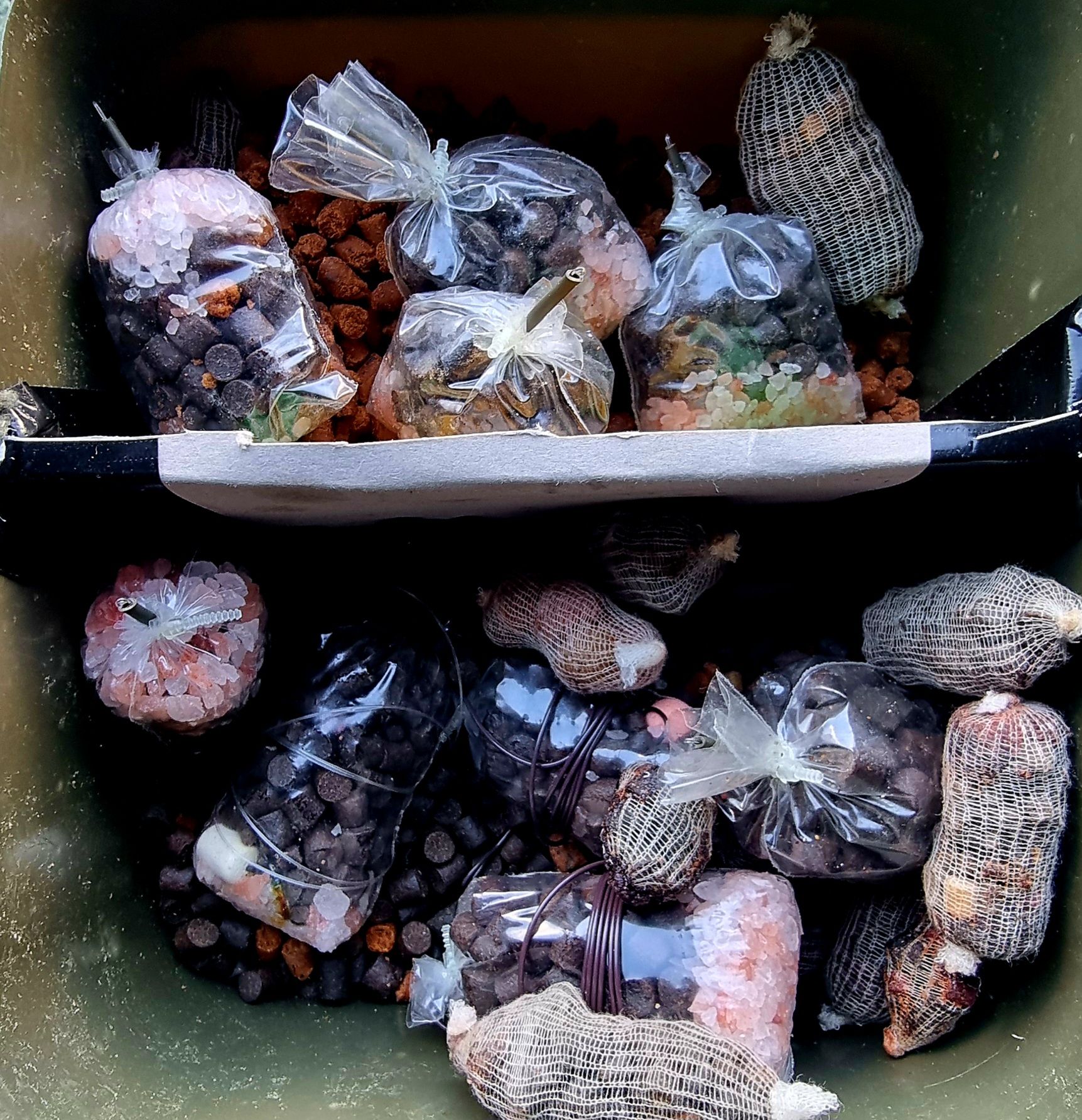
Across December, the captures all followed a similar pattern. Careful feeding, limited movement, and very small windows where the carp would switch on. By keeping the baiting tight and the presentation neat—mainly small PVA bag setups—I was able to nick bites when others might have sat waiting.
There were no hectic spells, no multiple takes in quick succession, but that’s not what winter is about. Each fish felt earned. Each one came from reading the situation correctly, staying patient, and being ready when that brief opportunity arose.
Looking back, the most satisfying part is that I didn’t just endure the sessions—I made them count. Turning those quiet, cold days into actual captures is what winter fishing is all about.
December 2025 proved that even in the toughest conditions, if you stay sharp, fish accurately, and trust your approach, you can still put carp on the bank when it really matters.
And in winter, that’s everything.
Until Next Time
Richard
I would like to give a brief snap shot of my life and introduce myself;
My name is Richard Handel and was born in 1965 in Suffolk. I have worked as a UK Operation & Intermodule Manager for a shipping company. I live in Hampshire now and am married with 2 young children, both girls so I am a bit outnumbered even the cat is a girl!
I have been fishing since I was about 7 years old. I started on small local rivers in Suffolk, then moved onto gravel pits and then carp fishing. My personal best is a 39.08 mirror, over recent years I have started river fishing again, on the Hampshire Avon, this is a nice break from the carp lakes.
My life has turned a big corner this year, the company I was working for relocated their Operation centre to Estonia. I was offered a job at the head office in London. This would have meant a 5 day commute and working in Stratford. As a family, we did not fancy this, as I would hardly spend any time with the children (and the Mrs). So after 22.5 years, I was given a nice redundancy package and with my wife is working full time. I became the house husband.
This has meant a complete turn around in my fishing, as I can pick and choose when I go. I have found a splendid new syndicate to fish this year, which includes 5 lakes and some 8 miles of river with only 150 members. It's an amazing change to the way I am able to fish.
I am now trying to start my own tackle business and make a bit of a name for myself in the world of fishing, as I have retired from real work.
Richard
 This winter’s fishing has been a marked improvement on the previous year. One of the biggest differences has been the reduction in my blood thinner medication, which has noticeably helped with circulation—particularly in my hands and feet, where I tend to feel the cold the most.
Alongside that, my bivvy heater has made a real difference to how I approach a session. I only use it during daylight hours and into the early evening, but it means I’m no longer forced to spend most of the day buried in my sleeping bag just to stay warm. Instead, I can stay active, keep watching the water, and fish properly rather than simply enduring the conditions.
This winter’s fishing has been a marked improvement on the previous year. One of the biggest differences has been the reduction in my blood thinner medication, which has noticeably helped with circulation—particularly in my hands and feet, where I tend to feel the cold the most.
Alongside that, my bivvy heater has made a real difference to how I approach a session. I only use it during daylight hours and into the early evening, but it means I’m no longer forced to spend most of the day buried in my sleeping bag just to stay warm. Instead, I can stay active, keep watching the water, and fish properly rather than simply enduring the conditions.
 That said, keeping my feet warm remains an ongoing battle. I’ve tried just about everything over the years—top-end jackets, salopettes, and some very expensive footwear—but none of it has truly solved the issue. The problem, as far as I can tell, is sweaty feet. Once moisture gets involved, it’s game over in winter. I’ve experimented with specialist antiperspirants and invested in quality merino wool socks, which certainly help with comfort, but I still end up with cold feet after a while.
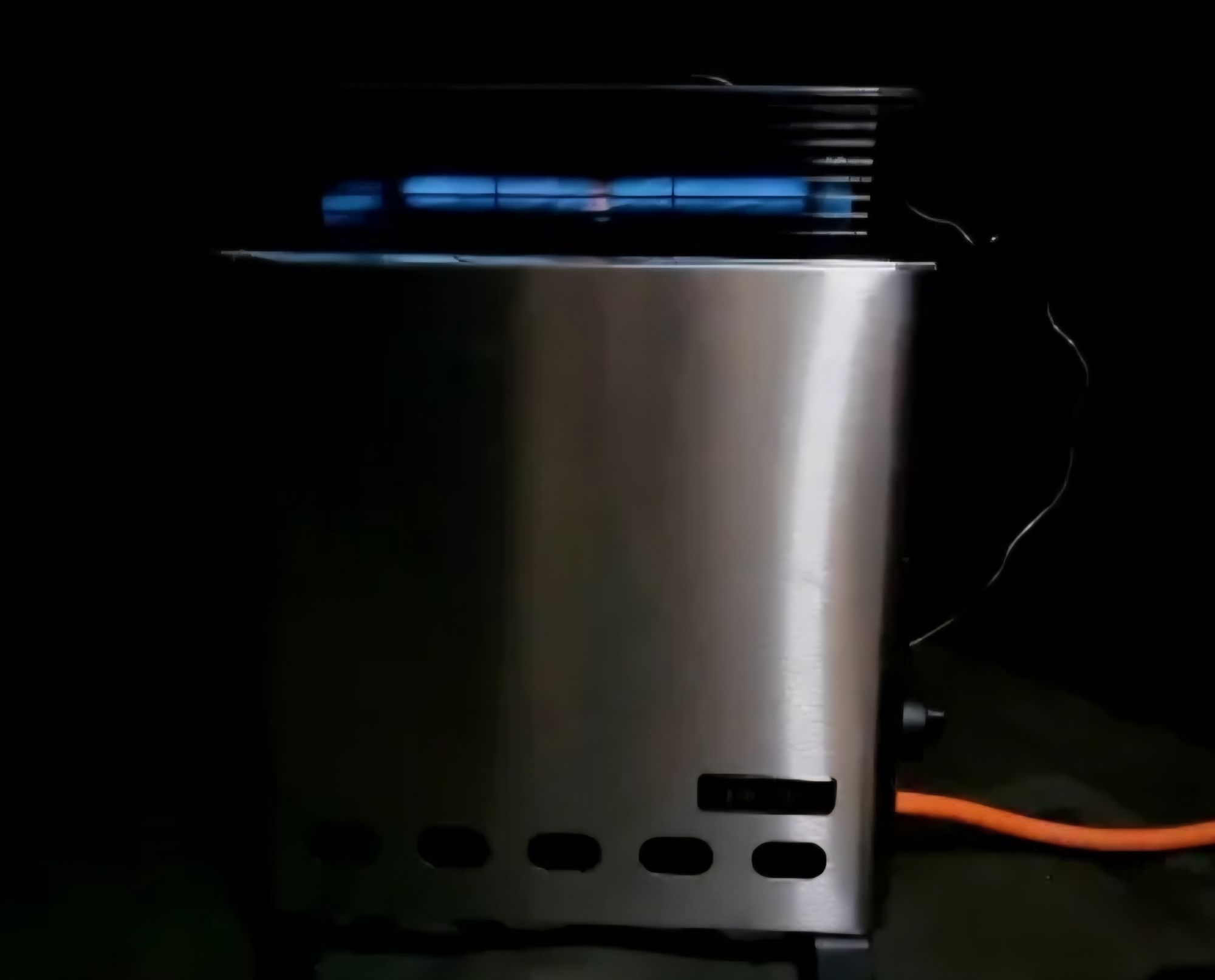
At this point, I’ve more or less accepted it as one of those things. The heater has become the most reliable solution—it’s actually a greenhouse-style unit with a built-in thermostat, so it regulates itself by switching on and off as needed. More importantly, it’s fitted with a carbon monoxide monitor that automatically shuts the unit down if there’s any issue, which gives me peace of mind while using it in the bivvy.
That said, keeping my feet warm remains an ongoing battle. I’ve tried just about everything over the years—top-end jackets, salopettes, and some very expensive footwear—but none of it has truly solved the issue. The problem, as far as I can tell, is sweaty feet. Once moisture gets involved, it’s game over in winter. I’ve experimented with specialist antiperspirants and invested in quality merino wool socks, which certainly help with comfort, but I still end up with cold feet after a while.
At this point, I’ve more or less accepted it as one of those things. The heater has become the most reliable solution—it’s actually a greenhouse-style unit with a built-in thermostat, so it regulates itself by switching on and off as needed. More importantly, it’s fitted with a carbon monoxide monitor that automatically shuts the unit down if there’s any issue, which gives me peace of mind while using it in the bivvy.
 All things considered, it’s been a far more comfortable winter on the bank, and that’s made a big difference not just to my fishing, but to how much I’ve enjoyed being out there.
This has most certainly made a big difference this winter. Not only has it allowed me to spend more time on the bank, but it’s also put me in a far better frame of mind while I’m there. Being comfortable and able to focus properly, rather than battling the cold, has had a clear knock-on effect—my concentration, observation, and overall decision-making have all improved.
All things considered, it’s been a far more comfortable winter on the bank, and that’s made a big difference not just to my fishing, but to how much I’ve enjoyed being out there.
This has most certainly made a big difference this winter. Not only has it allowed me to spend more time on the bank, but it’s also put me in a far better frame of mind while I’m there. Being comfortable and able to focus properly, rather than battling the cold, has had a clear knock-on effect—my concentration, observation, and overall decision-making have all improved.
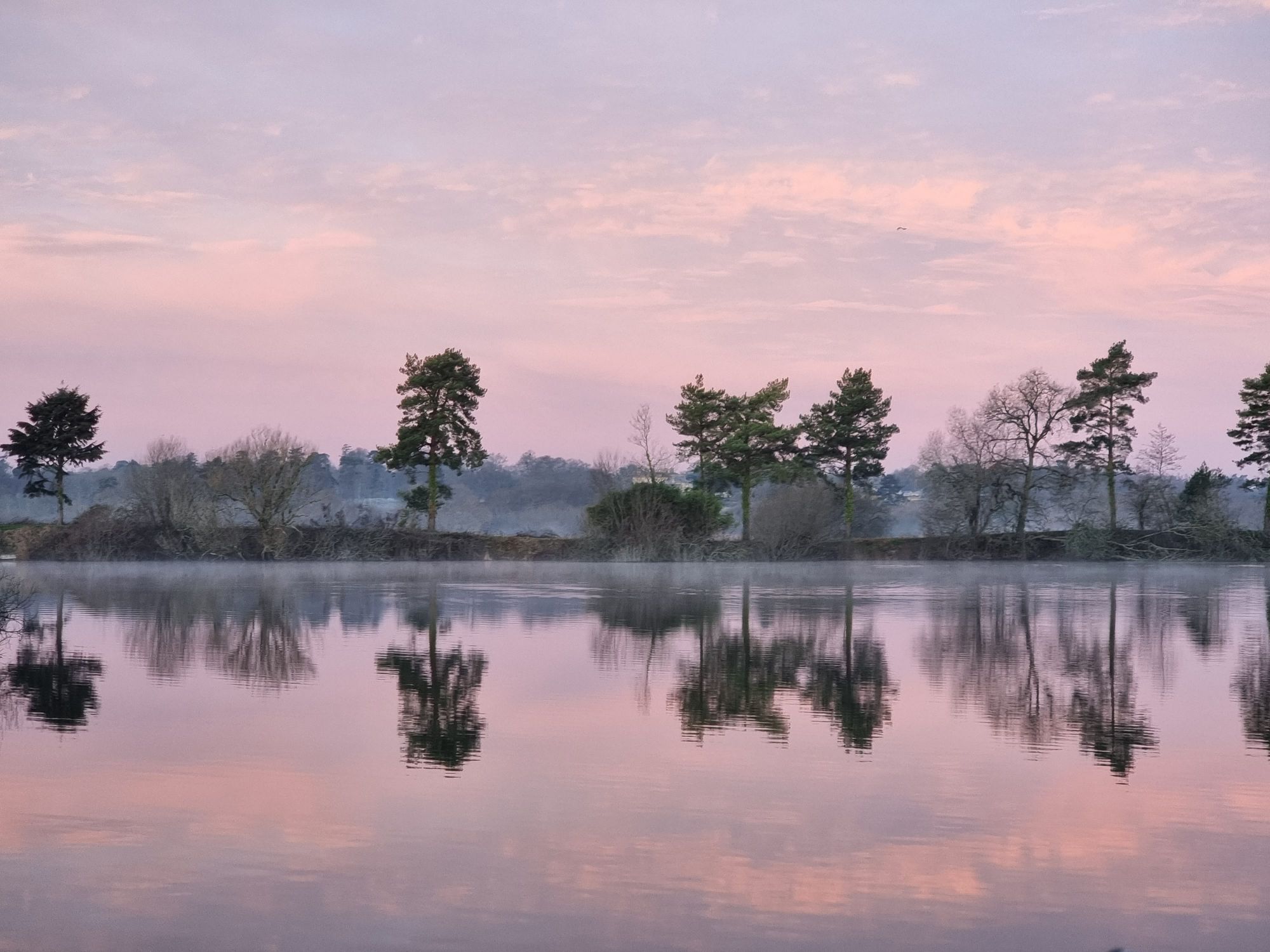 In turn, that sharper mindset has translated directly into better results, with a noticeable improvement in my catch rate compared to previous winters.
February 2026 hasn’t quite unfolded as planned. The intention was straightforward: three nights a week on the bank, build some early-season momentum, and stay consistent. Instead, life intervened — as it tends to.
The car developed expensive issues. Three out of the four of us needed dental work, which turned into more treatment than first expected. Add a couple of GP visits and various unavoidable household jobs, and the bait-and-fuel budget disappeared almost overnight. I’m sure I’m not alone in thinking NHS dentistry could do with being more accessible — or at least more predictable in cost. When you start totalling those bills, it’s sobering.
As a result, the fishing diary looks lighter than anticipated: three-day sessions and two nights. For someone who genuinely had the calendar space to manage three nights most weeks, that feels under par. Still, there’s little value in dwelling on what didn’t happen. You work with the time available.
In turn, that sharper mindset has translated directly into better results, with a noticeable improvement in my catch rate compared to previous winters.
February 2026 hasn’t quite unfolded as planned. The intention was straightforward: three nights a week on the bank, build some early-season momentum, and stay consistent. Instead, life intervened — as it tends to.
The car developed expensive issues. Three out of the four of us needed dental work, which turned into more treatment than first expected. Add a couple of GP visits and various unavoidable household jobs, and the bait-and-fuel budget disappeared almost overnight. I’m sure I’m not alone in thinking NHS dentistry could do with being more accessible — or at least more predictable in cost. When you start totalling those bills, it’s sobering.
As a result, the fishing diary looks lighter than anticipated: three-day sessions and two nights. For someone who genuinely had the calendar space to manage three nights most weeks, that feels under par. Still, there’s little value in dwelling on what didn’t happen. You work with the time available.
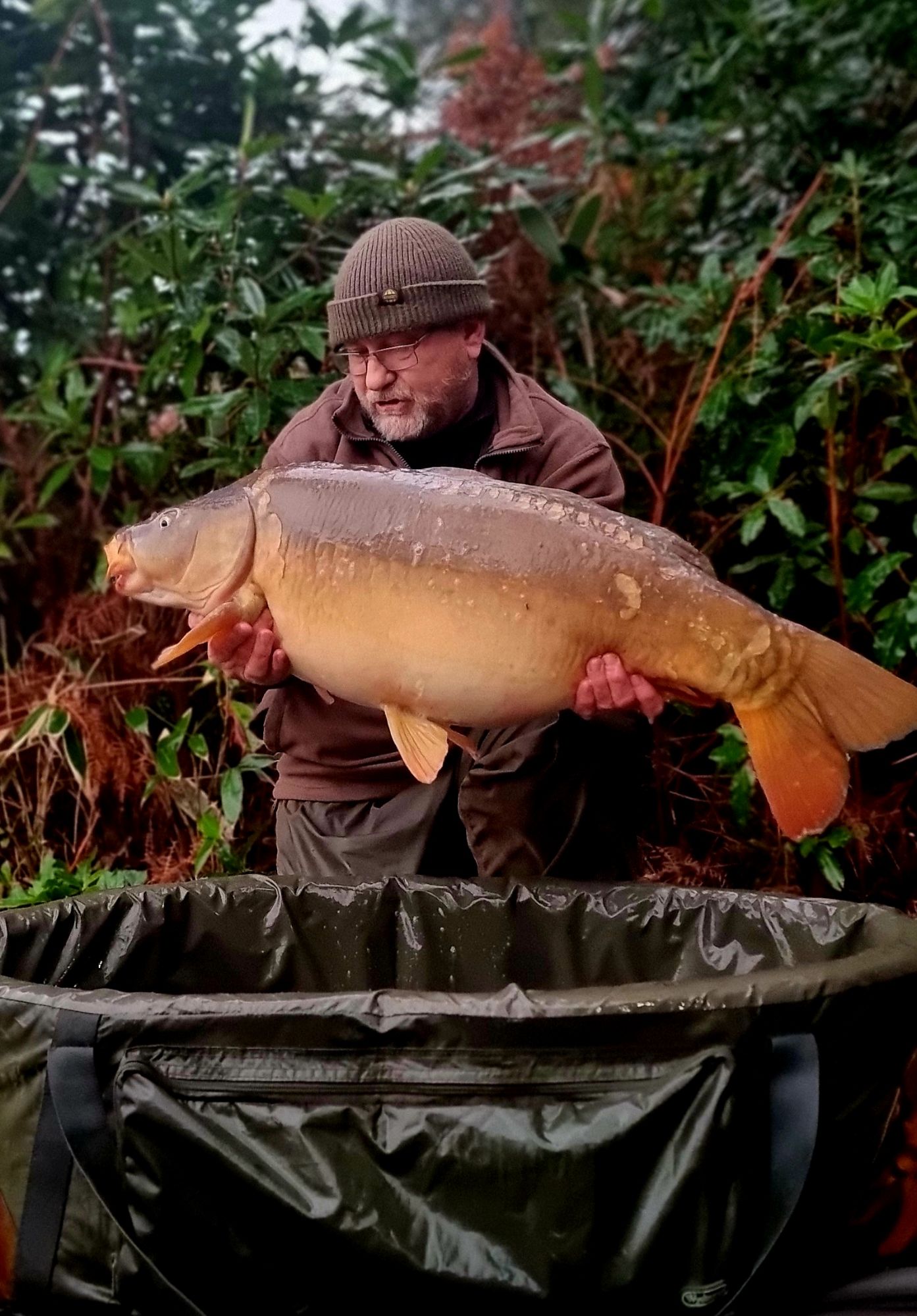 The positive? Those limited sessions still produced seven carp, including a 29lb 6oz mirror and a 25lb 6oz common. For February, that’s a return I can’t reasonably complain about. The bites weren’t frequent and nothing came easily — every fish required careful location, precise presentation, and minimal disturbance. Early-season carp are rarely obliging; they demand patience and accuracy.
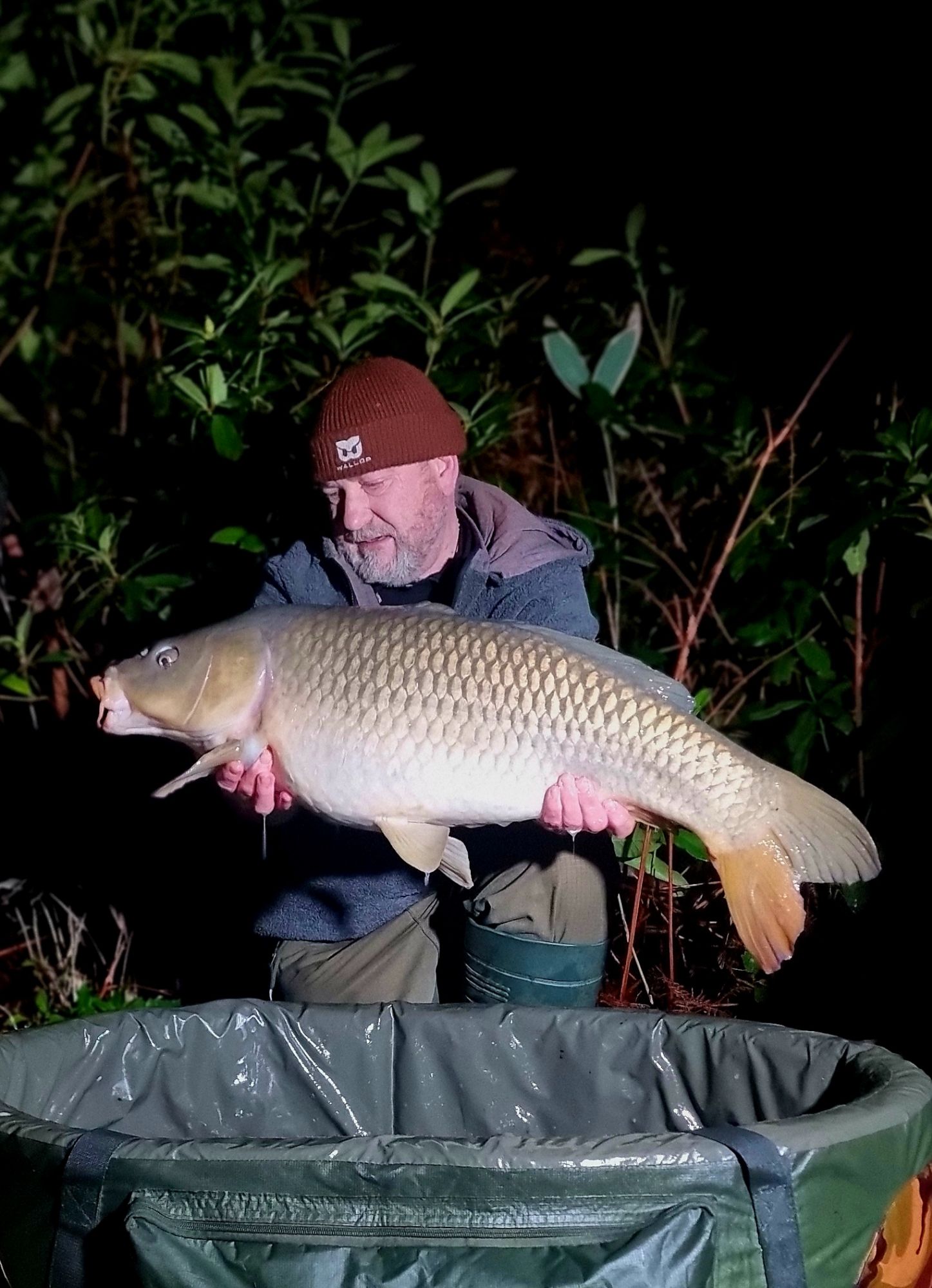 What has lifted the mood most is the seasonal shift now underway. Over the past week, the change has been tangible. The Gorse is glowing yellow, Blackthorn is bursting into blossom, and Hawthorn is beginning to stir. Daffodils line the banks and hedgerows, daylight is stretching noticeably longer, and the whole landscape feels as though it’s waking from a long pause.
There’s something about this transition that sharpens the anticipation. The air softens, birds are louder at first light, and you sense the carp will soon begin to move with intent rather than caution. February may not have delivered the volume of sessions I’d hoped for, but it laid a solid foundation.
January 2026 has been a steady, thoughtful start to the year rather than a numbers game, and in many ways that feels entirely fitting. Opportunities to get out haven’t always aligned smoothly, with family illness and winter logistics dictating when sessions were possible, but when time has been found, it’s been used well.
Conditions have largely been typical of mid-winter: cool nights, modest daytime temperatures, fluctuating pressure, and plenty of overcast skies. Rather than chasing dramatic weather swings, the sessions that stood out were those fished under consistent conditions, allowing a more settled approach and clearer decision-making.
What has lifted the mood most is the seasonal shift now underway. Over the past week, the change has been tangible. The Gorse is glowing yellow, Blackthorn is bursting into blossom, and Hawthorn is beginning to stir. Daffodils line the banks and hedgerows, daylight is stretching noticeably longer, and the whole landscape feels as though it’s waking from a long pause.
There’s something about this transition that sharpens the anticipation. The air softens, birds are louder at first light, and you sense the carp will soon begin to move with intent rather than caution. February may not have delivered the volume of sessions I’d hoped for, but it laid a solid foundation.
January 2026 has been a steady, thoughtful start to the year rather than a numbers game, and in many ways that feels entirely fitting. Opportunities to get out haven’t always aligned smoothly, with family illness and winter logistics dictating when sessions were possible, but when time has been found, it’s been used well.
Conditions have largely been typical of mid-winter: cool nights, modest daytime temperatures, fluctuating pressure, and plenty of overcast skies. Rather than chasing dramatic weather swings, the sessions that stood out were those fished under consistent conditions, allowing a more settled approach and clearer decision-making.
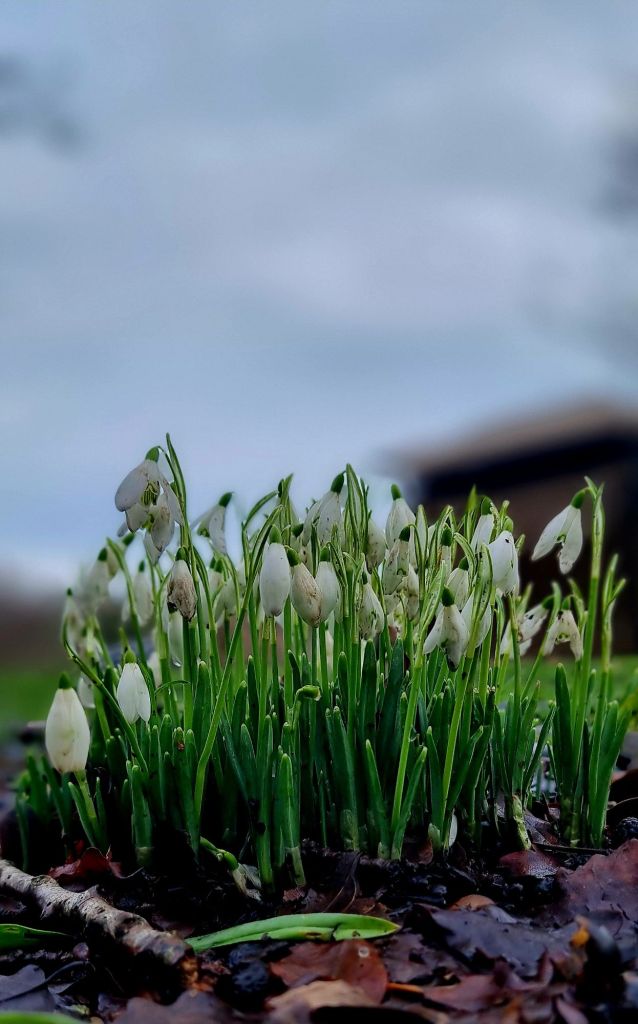
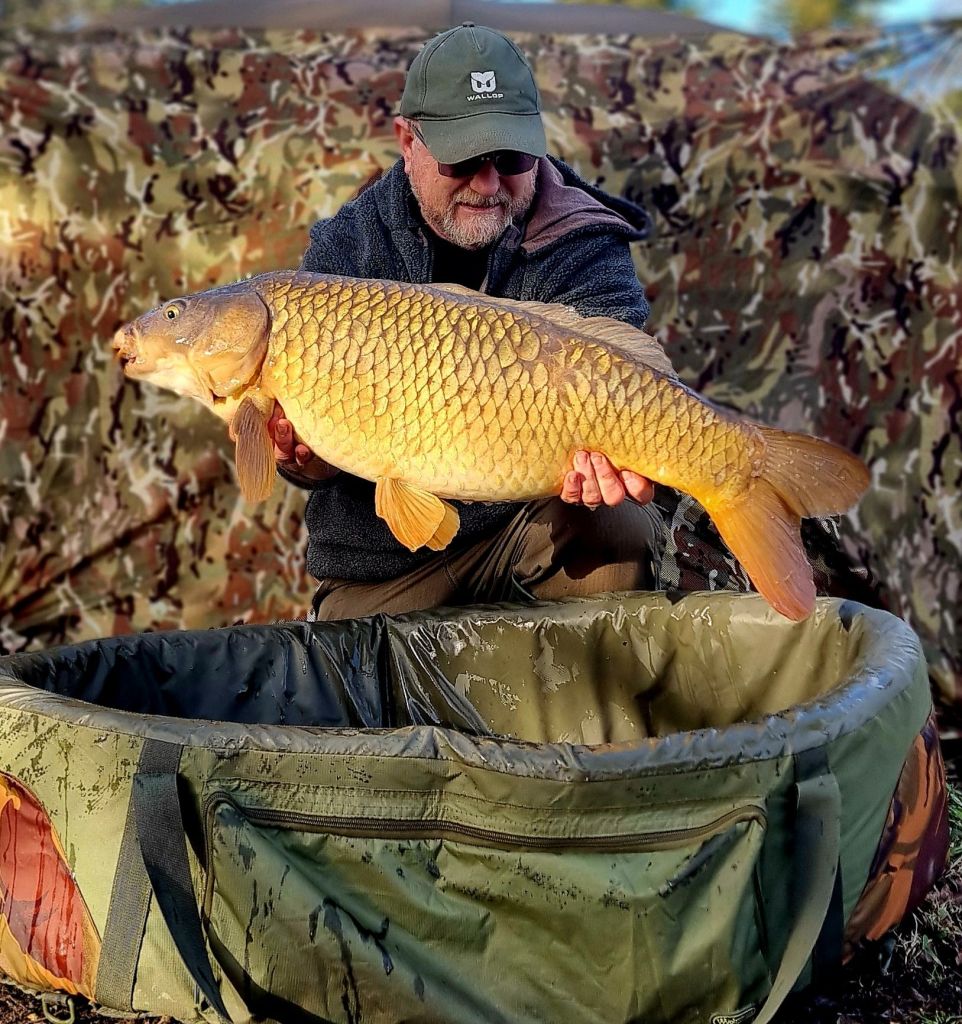
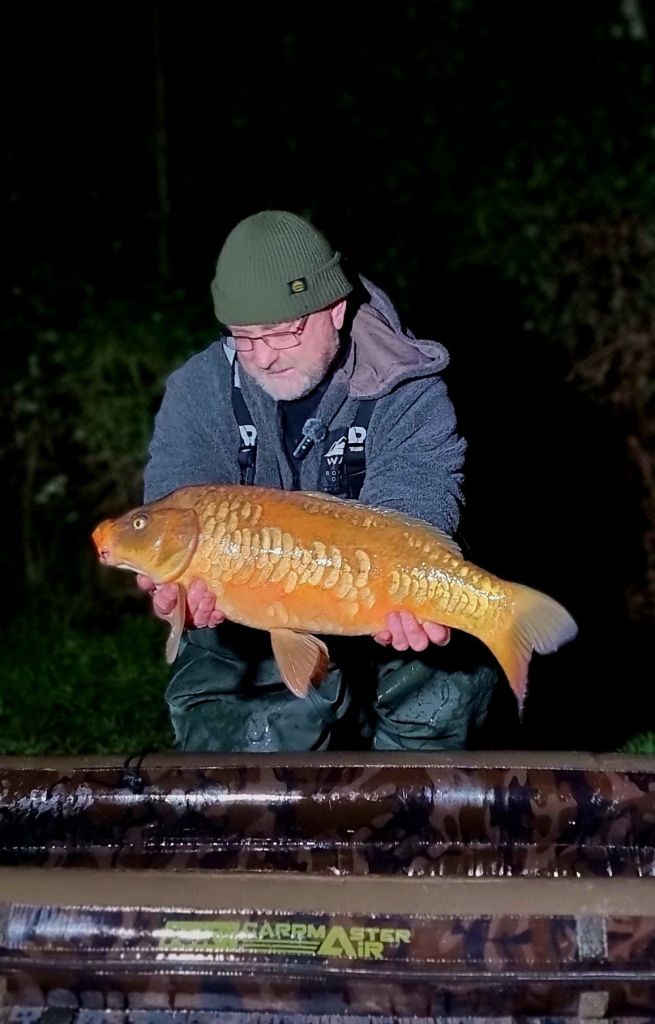
 The first bite of the month summed things up perfectly. After hours of sitting behind motionless rods in cold, still conditions, the take came out of nowhere. A slow, deliberate lift rather than a screamer, but in winter, you learn very quickly that these are often your chances. Lifting into the fish, it felt solid straight away—heavy, plodding, using its weight rather than speed.
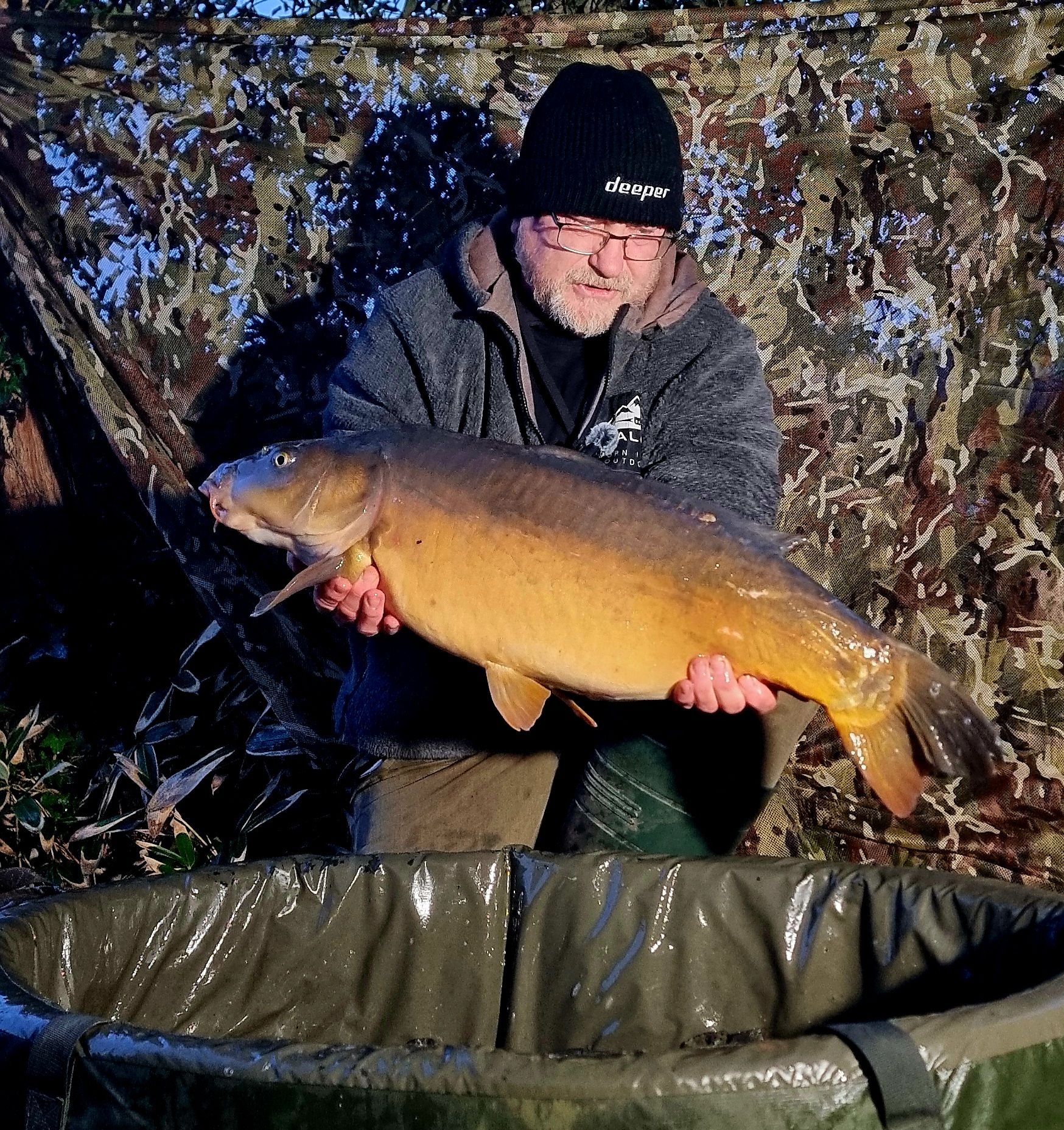 Playing carp in cold water always feels different. There’s no frantic runs, just deep, stubborn resistance, and you know you’re attached to something worth having. After a steady fight, keeping everything controlled, the fish eventually rolled into the net—a proper December reward. Not just another carp, but one that had clearly been feeding cautiously, picking off a well-presented bait rather than charging around.
That capture set the tone for the rest of the month.
What stood out across the sessions was how subtle everything was. The takes were rarely aggressive—more often slight indications, liners turning into chances, or single bleeps that needed acting on quickly. It reinforced the importance of staying alert, even during the quietest spells.
Another memorable capture came during a short daytime session, which is something I’ve always had confidence in during the winter. With the water temperature low and nights often lifeless, those short feeding windows in daylight become key. Again, it wasn’t a hectic take, just a tightening of the line and a steady movement away from the spot.
Playing carp in cold water always feels different. There’s no frantic runs, just deep, stubborn resistance, and you know you’re attached to something worth having. After a steady fight, keeping everything controlled, the fish eventually rolled into the net—a proper December reward. Not just another carp, but one that had clearly been feeding cautiously, picking off a well-presented bait rather than charging around.
That capture set the tone for the rest of the month.
What stood out across the sessions was how subtle everything was. The takes were rarely aggressive—more often slight indications, liners turning into chances, or single bleeps that needed acting on quickly. It reinforced the importance of staying alert, even during the quietest spells.
Another memorable capture came during a short daytime session, which is something I’ve always had confidence in during the winter. With the water temperature low and nights often lifeless, those short feeding windows in daylight become key. Again, it wasn’t a hectic take, just a tightening of the line and a steady movement away from the spot.
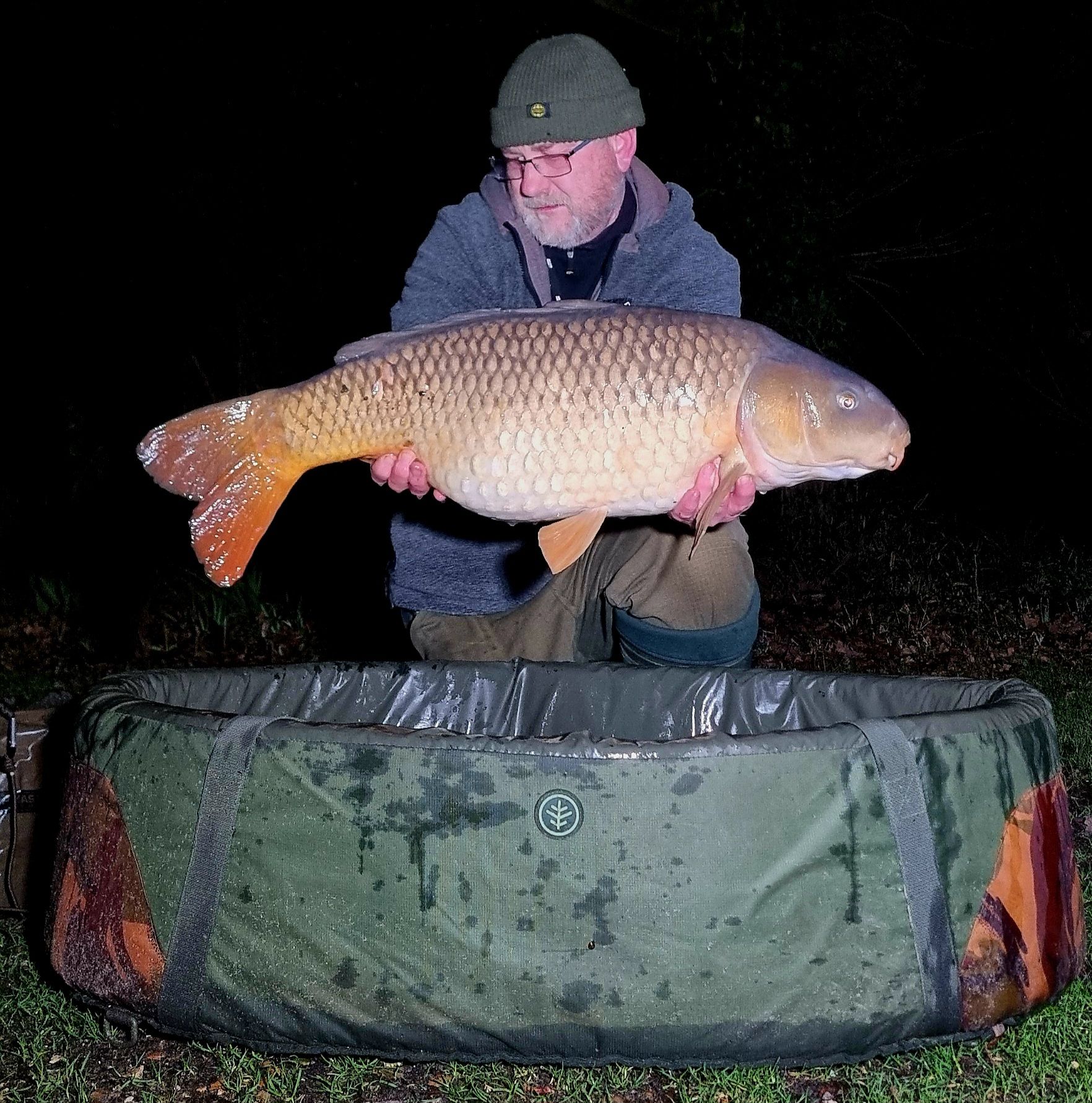 The fish kited hard into the margins, making full use of the near-bank features, but fishing locked up and staying in control paid off. Guiding it away from any danger, I eventually slipped the net under another solid winter carp. These are the fish that mean more—they’ve not made mistakes easily.
Across December, the captures all followed a similar pattern. Careful feeding, limited movement, and very small windows where the carp would switch on. By keeping the baiting tight and the presentation neat—mainly small PVA bag setups—I was able to nick bites when others might have sat waiting.
The fish kited hard into the margins, making full use of the near-bank features, but fishing locked up and staying in control paid off. Guiding it away from any danger, I eventually slipped the net under another solid winter carp. These are the fish that mean more—they’ve not made mistakes easily.
Across December, the captures all followed a similar pattern. Careful feeding, limited movement, and very small windows where the carp would switch on. By keeping the baiting tight and the presentation neat—mainly small PVA bag setups—I was able to nick bites when others might have sat waiting.
 There were no hectic spells, no multiple takes in quick succession, but that’s not what winter is about. Each fish felt earned. Each one came from reading the situation correctly, staying patient, and being ready when that brief opportunity arose.
Looking back, the most satisfying part is that I didn’t just endure the sessions—I made them count. Turning those quiet, cold days into actual captures is what winter fishing is all about.
December 2025 proved that even in the toughest conditions, if you stay sharp, fish accurately, and trust your approach, you can still put carp on the bank when it really matters.
And in winter, that’s everything.
Until Next Time
Richard
There were no hectic spells, no multiple takes in quick succession, but that’s not what winter is about. Each fish felt earned. Each one came from reading the situation correctly, staying patient, and being ready when that brief opportunity arose.
Looking back, the most satisfying part is that I didn’t just endure the sessions—I made them count. Turning those quiet, cold days into actual captures is what winter fishing is all about.
December 2025 proved that even in the toughest conditions, if you stay sharp, fish accurately, and trust your approach, you can still put carp on the bank when it really matters.
And in winter, that’s everything.
Until Next Time
Richard