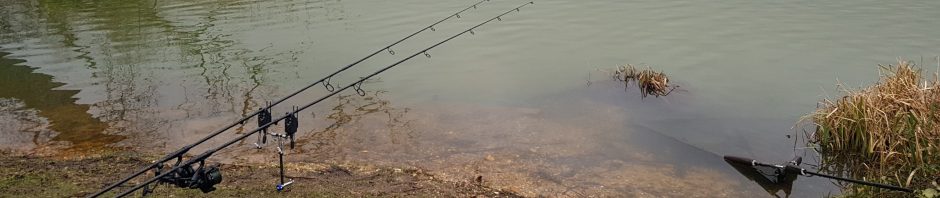
Margin fishing has always been a passion of mine, and over the years, I’ve had some fantastic results using this method. However, in the modern fishing world, margin fishing has become somewhat of a lost art. Most anglers are now obsessed with casting to the horizon, chasing big fish at extreme range. While this can be effective, it has also led to fish adapting to this pressure, making them warier in open water. Meanwhile, the margins—where fish naturally feel safer—are often ignored, making them a prime opportunity for those willing to take advantage.

A Change in Approach
The other year, I decided to dedicate more time to refining my margin fishing techniques. Instead of following the crowd, I focused on a one-rod approach, targeting tight, intermediate swims that most modern anglers wouldn’t even consider. There are a few reasons why these swims remain unfished. Many anglers prefer to fish with multiple rods, maximising their chances of a bite, and they often find these smaller swims uncomfortable or inconvenient. However, for my short 4–5-hour sessions, these overlooked spots were absolutely perfect.
Margin fishing is all about patience, precision, and understanding fish behavior. Unlike range fishing, where you can afford to make mistakes and recast multiple times, margin fishing requires stealth and a well-thought-out plan. The fish are often right under your feet, meaning any sudden movement, heavy footsteps, or careless casting can spook them instantly.

Preparation Is Key
One of the most important aspects of margin fishing is preparation. You can’t just turn up and start casting—you need to do your homework first. Before I fish any margin swim, I always use a lead to check for snags, weed beds, and other underwater features. This scouting needs to be done well in advance because, on the day of fishing, stealth is the name of the game. The last thing you want is to be crashing a lead around in the swim while the fish are present.
The lake I’ve been targeting has a particular bank lined with overhanging trees, providing perfect margin spots that many anglers overlook. Since I fish this lake 3–4 times a week, I’ve been able to pre-bait these swims consistently. I only bait them up on my way home after fishing to avoid disturbing their natural sanctuary during my sessions. My baiting approach is simple but effective—I use around a kilo of boilies mixed with ground bait and pellets soaked in oil. This combination provides a long-lasting scent trail and keeps the fish feeding in the area between my sessions.

The Tactics
On arrival, I keep my baiting strategy subtle. A small handful of chopped Catalyst boilies, paired with a PVA mesh bag filled with oil-soaked micro pellets, is my go-to method. The PVA bag helps mask the hook and adds an attractive scent to the swim. Rather than casting my rig, I lower it carefully onto the spot to avoid making any unnecessary noise.
Initially, I avoided using a bank stick or alarm, preferring to rely on direct contact with the rod. However, I quickly realised that in such tight swims, I needed to react instantly when a fish took the bait. A bite alarm gave me that extra split-second advantage, allowing me to strike immediately and stop the fish from reaching any nearby snags. In these close-quarter battles, every moment counts, and you can’t afford to give the fish an inch.

The Gear
Given the unique challenges of margin fishing, I’ve adapted my tackle accordingly. My setup consists of a cut-down Daiwa Black Widow (now 10 feet long), paired with a Big Pit reel loaded with Asso Bullet Proof fishing line. This gives me the perfect balance of strength and manoeuvrability in tight swims. For extra security, I use a Dinsmore power stick, which I camouflage with Realtree tape to blend in with the surroundings.
Bank stick placement is crucial—I like to drive mine deep into the ground to ensure stability. As soon as I get a take, I dip the rod under the water and hold the fish in place until it turns away from any underwater snags. At this point, I can let it take a little line and play it out under the rod tip. The adrenaline rush from these close-quarters battles is unlike anything else in fishing. You’re right in the heart of the action, feeling every head shake and powerful run.

Rig and Bait Choice
For rigs, I prefer a pop-up presentation to keep the bait slightly off the bottom, reducing the risk of it being hidden in debris. A 3oz lead ensures a solid hook set when lowering the bait gently onto the spot. If I need to flick the bait under a branch, I’ll switch to a 1oz lead to minimize disturbance. The goal is to keep everything as subtle as possible—any unnecessary noise or movement could ruin the swim.
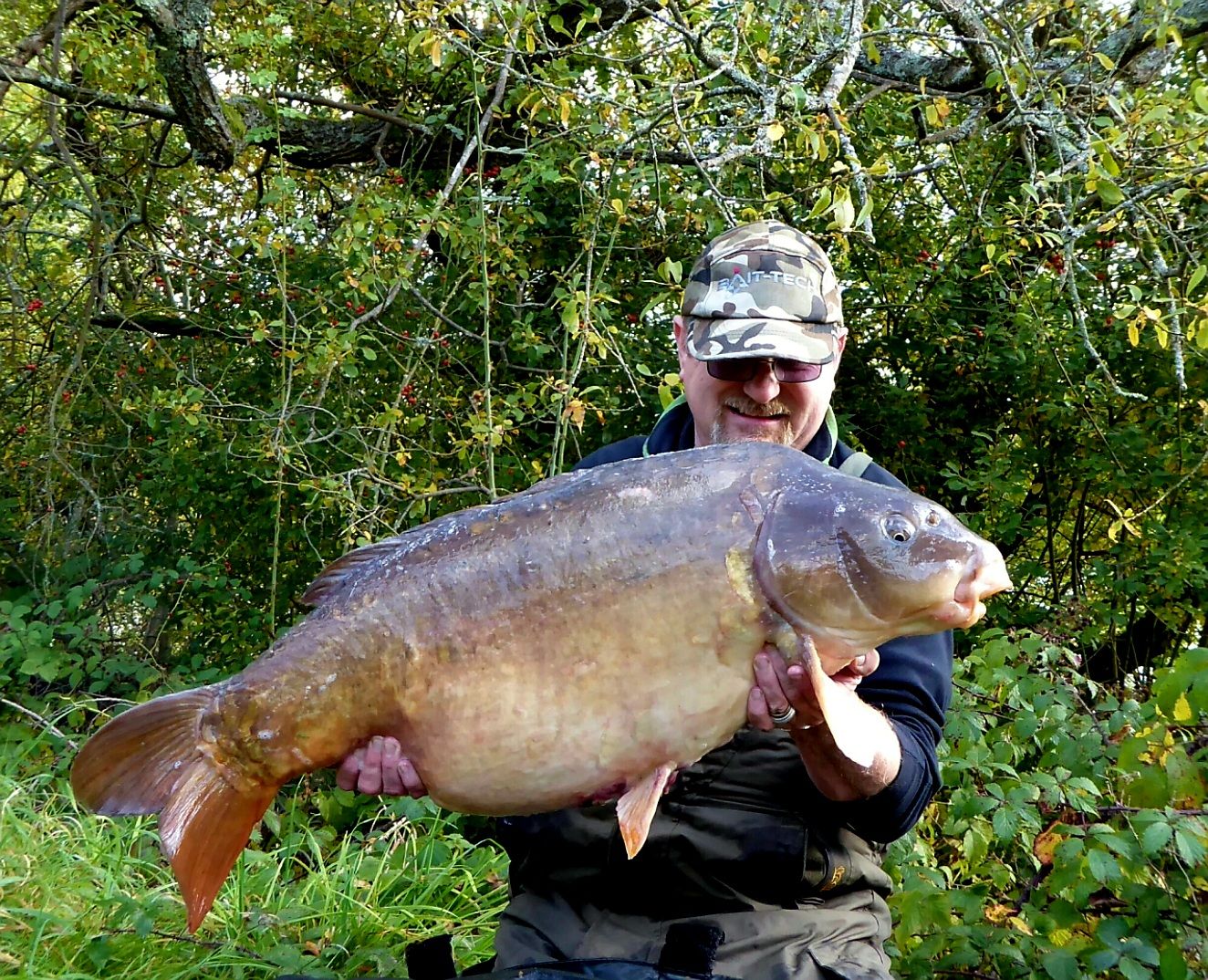
Efficiency Over Excess
Since my sessions are short, I focus on efficiency rather than carrying loads of unnecessary gear. I still bring all the essentials—an unhooking mat, weigh sling, scales, camera and tripod, and wet-weather gear—but I keep everything else to a minimum. I pre-tie my rigs and PVA bags in advance, so once I’ve landed a fish, I can quickly bait up the swim and move on to the next one. This roaming approach keeps me mobile and allows me to maximise my chances.
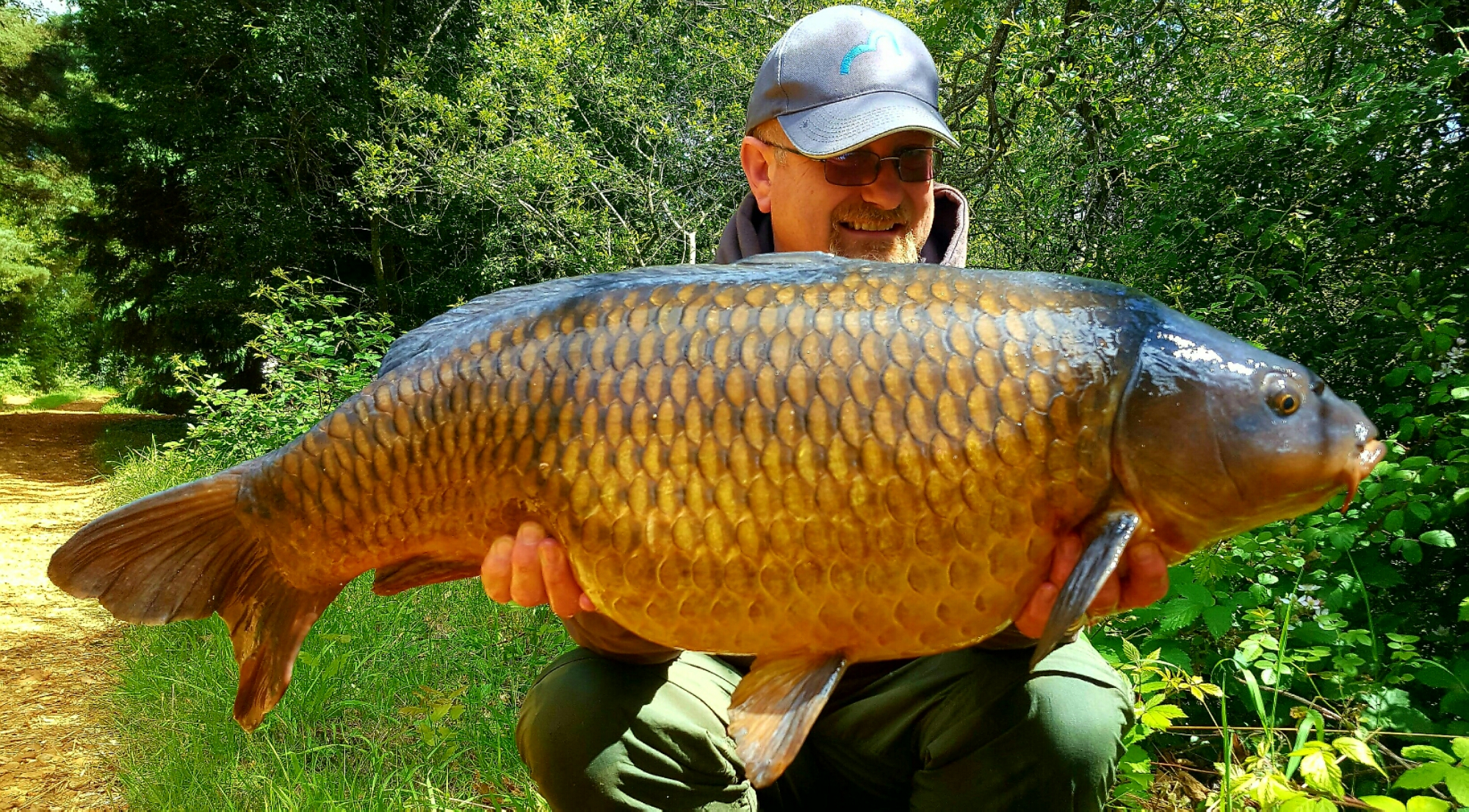
The Rewards of Margin Fishing
Margin fishing is an incredibly rewarding way to fish. Not only does it provide an unmatched sense of excitement, but it also gives you a unique insight into fish behaviour. Unlike range fishing, where your bait sits in open water with little feedback, margin fishing allows you to observe how fish react in real-time. You can often see them feeding, adjusting their position, and interacting with your bait.
There’s also something deeply satisfying about catching fish from areas that most anglers ignore. Knowing that you’ve outwitted a wary fish in its own sanctuary, using stealth and precision, makes the capture even more special. Plus, the fights are far more intense—there’s no long-distance winding in. It’s a direct battle between you and the fish, with every movement amplified in the confined space.

A Forgotten Method Worth Reviving
Despite its effectiveness, margin fishing remains an underused tactic. Many anglers still prefer to cast as far as possible, leaving the margins untouched. This creates a fantastic opportunity for those willing to put in the effort and refine their approach. By focusing on preparation, stealth, and precise baiting, you can unlock some incredible fishing that others completely overlook.

If you’re looking for a new challenge, I highly recommend giving margin fishing a try. It’s not just about catching fish—it’s about getting closer to nature, honing your skills, and experiencing the pure thrill of close-quarters angling.
Until next time, tight lines!
Richard




Get 10% off Deeper with Code – RICHARD10














 UK Carp & Coarse Fishing