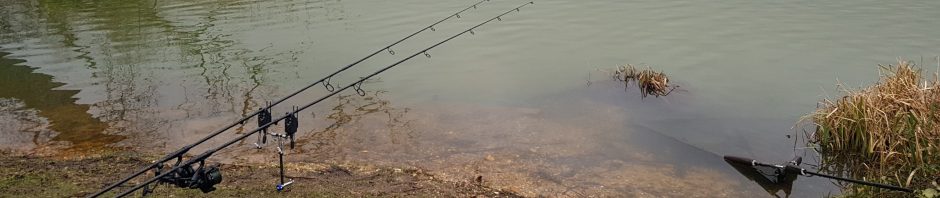
Fishing, much like life, can be a frustrating pursuit when things aren’t going your way. There are times when no matter how much effort you put in, how much thought you apply, or how many adjustments you make, the results just don’t seem to materialise. It’s in these moments that the biggest mistakes can be made—not because you lack skill, knowledge, or dedication, but because frustration and impatience can lead you to change too much, too quickly. This is true not just in fishing but in many aspects of life, from business to relationships to personal development. The trick is not to panic and take a breath, as my Mrs says.

If you’ve been blanking session after session, it’s easy to start doubting everything—your rigs, your bait, your location, your tactics, even your ability as an angler. But while tweaks and adjustments are always part of fishing, the key is to make them in small, calculated steps rather than completely overhauling your approach. It’s a fine balance: knowing when to stick to what you trust and when to adapt.
A long run of blanks can send any angler into a downward spiral. Before you start making frantic changes, take a step back and look at the bigger picture. There are a few key questions that can help you diagnose the problem.
1. Are You the Only One Blanking?
This is one of the most important things to consider. If no one on the lake is catching, then the issue might not be you at all. There are times when conditions just aren’t in your favour—pressure changes, a cold front moving in, fish spawning, or even just a phase where the fish aren’t feeding actively.
However, if other anglers are catching and you aren’t, then it’s worth paying close attention to what they are doing differently. Are they fishing at different depths? Using different bait? Are they positioned in different parts of the lake where the fish are more active? Without making knee-jerk changes, try to observe what’s working for others and see if there’s a pattern you can learn from.

2. Are You Fishing at the Right Time?
Carp, like most fish, have feeding windows. Just because you’re fishing doesn’t mean they’re eating. The best times often revolve around changes in light—early morning and late evening tend to be prime times, but this can vary depending on the venue.
Weather conditions play a huge role as well. If the lake has been experiencing high pressure and blue skies for days, carp might be inactive during peak daylight hours but feeding during the night. If you’re always fishing at the same time of day and struggling, it might be worth adjusting your approach and timing.

3. Are You Fishing the Same Swims All the Time?
It’s easy to fall into the trap of having a favourite swim and a spot that’s produced for you before, where you feel comfortable, where you know the features and margins. But lakes are constantly changing. What was a hotspot last season might be barren now.
Carp are creatures of habit, but their habits can shift due to angling pressure, changes in the lakebed, the presence of natural food, or other environmental factors. If you always set up in the same place and the results have dried up, it might be time to explore other areas.

4. Could a Big Hatch Be Going On?
Few things are more frustrating than watching carp in your swim, rolling over your bait, and yet they refuse to take it. This can often be due to a natural food hatch. When there’s an abundance of natural food—bloodworm, hatches of insects, or even an increase in crayfish—carp can become preoccupied, completely ignoring even the highest quality boilies and pellets.
If you suspect this is happening, you have two options:
Try matching the hatch by using natural baits, such as maggots, worms, or even zig rigs imitating the insects they are feeding on.
Fish areas where there is less natural food, such as harder spots in the lakebed, rather than silty areas rich in bloodworm.

Avoiding the Biggest Mistake: Over-Changing
Once you’ve considered the factors above, resist the urge to start switching things up too dramatically. One of the biggest mistakes anglers make when they’re blanking is changing rigs and bait too often. It’s easy to think, “Maybe this isn’t working; I’ll try something else,” but if you’re swapping rigs and hookbaits every few hours, you’ll never truly get a clear picture of what is or isn’t effective.
Carp are sensitive creatures, and too much disturbance—constantly recasting, pulling rigs in and out, scattering different types of bait—can actually spook them away. If you know you’ve caught on a particular rig before and you’re fishing it in the right conditions, have confidence in it.
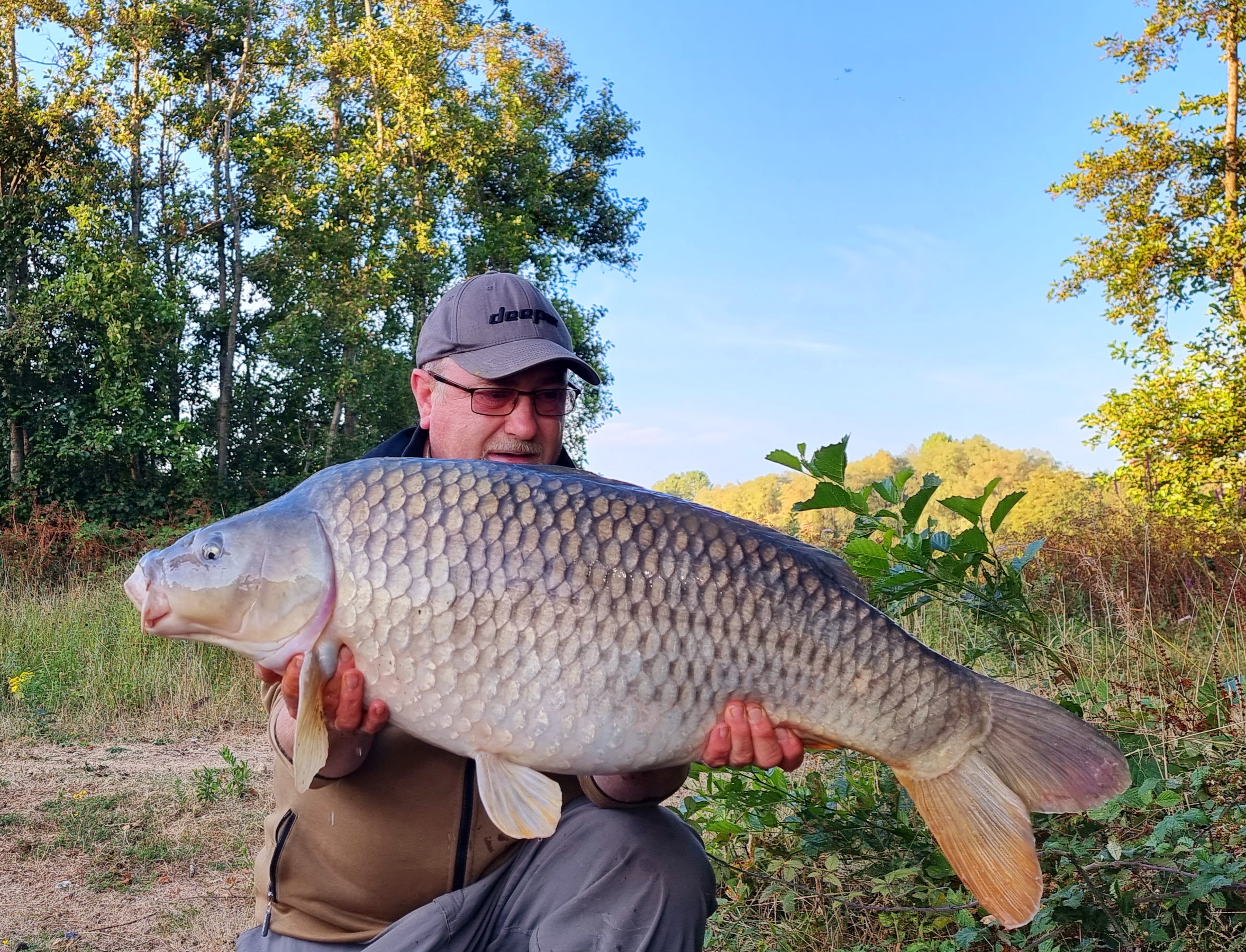
Confidence is Key
This brings us to an important point: confidence. Fishing is as much a mental game as a technical one. If you start second-guessing everything, it will reflect in your approach.
Your rigs – If they’ve worked before, they will work again. Unless there’s a clear reason why your rig isn’t suited to the conditions, don’t start doubting it just because you’re blanking.
Your bait – If you’re using a high-quality bait that you trust, changing it up completely might do more harm than good. However, switching between bottom baits, wafters, and pop-ups is normal and worth experimenting with.
Your swim – If you know you’re in a good area, trust your spot. Moving swims too often can mean you’re not giving the fish enough time to settle.

When Luck Plays a Role
Sometimes, fishing is just unpredictable. You can do everything right and still blank. On the flip side, you can make mistakes and still catch. That’s just the nature of the sport. The key is not to let a bad run destroy your enthusiasm.
If you’ve analysed all the possibilities, made small adjustments, and still aren’t catching, don’t let it get to you. Fishing has a way of turning around when you least expect it. A bad few months can suddenly flip, and you’ll go on a streak where everything falls into place. The key is to stay consistent and not let frustration lead to rushed decisions.

A Quick Confidence Booster
If your confidence is really low, there’s no shame in heading to an easier venue to get a few bites under your belt. A few runs from smaller fish can do wonders for your mindset, proving that your tactics are solid and that you haven’t lost your touch.

Final Thoughts
Blanking is part of the game. Every angler goes through it, no matter how experienced they are. The key to overcoming it is not to panic or make rash changes, but to analyse, adjust where necessary, and maintain confidence in what you know works.
Fishing is about patience, problem-solving, and perseverance. Much like in life, success often comes down to adapting intelligently while staying true to the fundamentals. Keep going, and when that next big fish finally takes the bait, all those blank sessions will feel like they were leading up to that moment.
Hope this helps. Tight lines!
Richard



Get 10% off Deeper With Code – RICHARD10