
The Everyday Angler: Balancing Life and Fishing
We’ve all been there—trying to find the perfect balance between life, work, and our passion for fishing. For many, fishing isn’t just a hobby; it’s a way of life. Yet, for those who can only manage a night or two on the bank each week, making the most of that limited time is crucial. Over the years, I’ve learned how to adapt and ensure that, no matter how busy life gets, fishing remains an essential part of my routine.

The Weekend and One-Night-A-Week Angler
I’d classify the “everyday angler” as someone juggling a nine-to-five job, a family, and other responsibilities, who can only dedicate one night a week to fishing—if they’re lucky. This type of angler has to be efficient, strategic, and adaptable. Their budget is often tighter than those who fish full-time, so every bit of tackle and bait must be carefully chosen.
I’ve been in that position and, over the years, I’ve learned a lot about how to maximize fishing time, avoid unnecessary distractions, and stay focused. It’s a journey that has shaped the way I fish today.
Fishing in Your Twenties vs. Later in Life
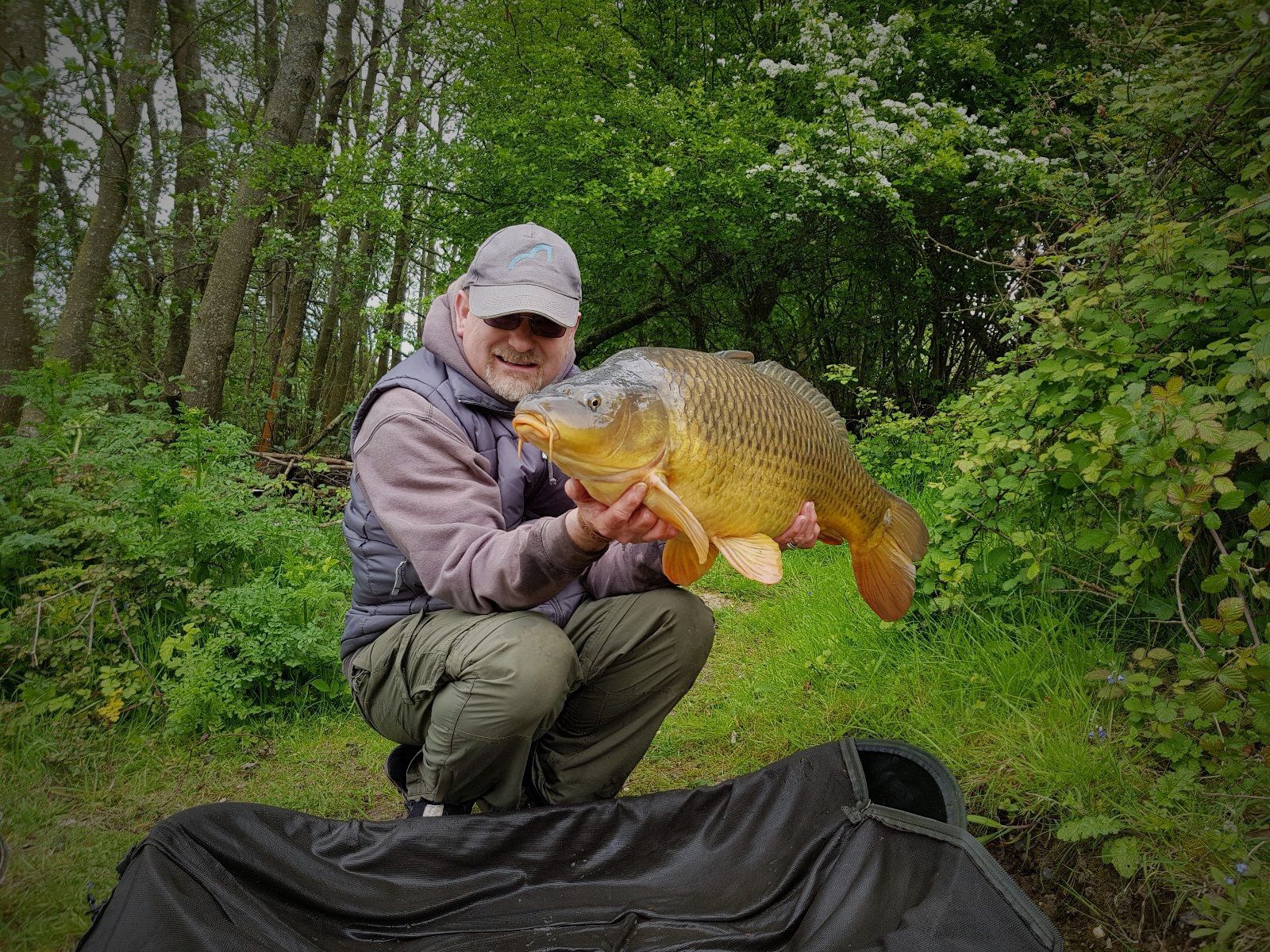
When you’re young, fishing is often easier to fit in. You have fewer commitments—other than work, relationships, and money. But even then, striking the right balance can be tough. In my twenties, I was working for a shipping company, doing shift work, including weekends. That made fishing tricky, but I still managed to get out most weekends and squeeze in a few midweek sessions.
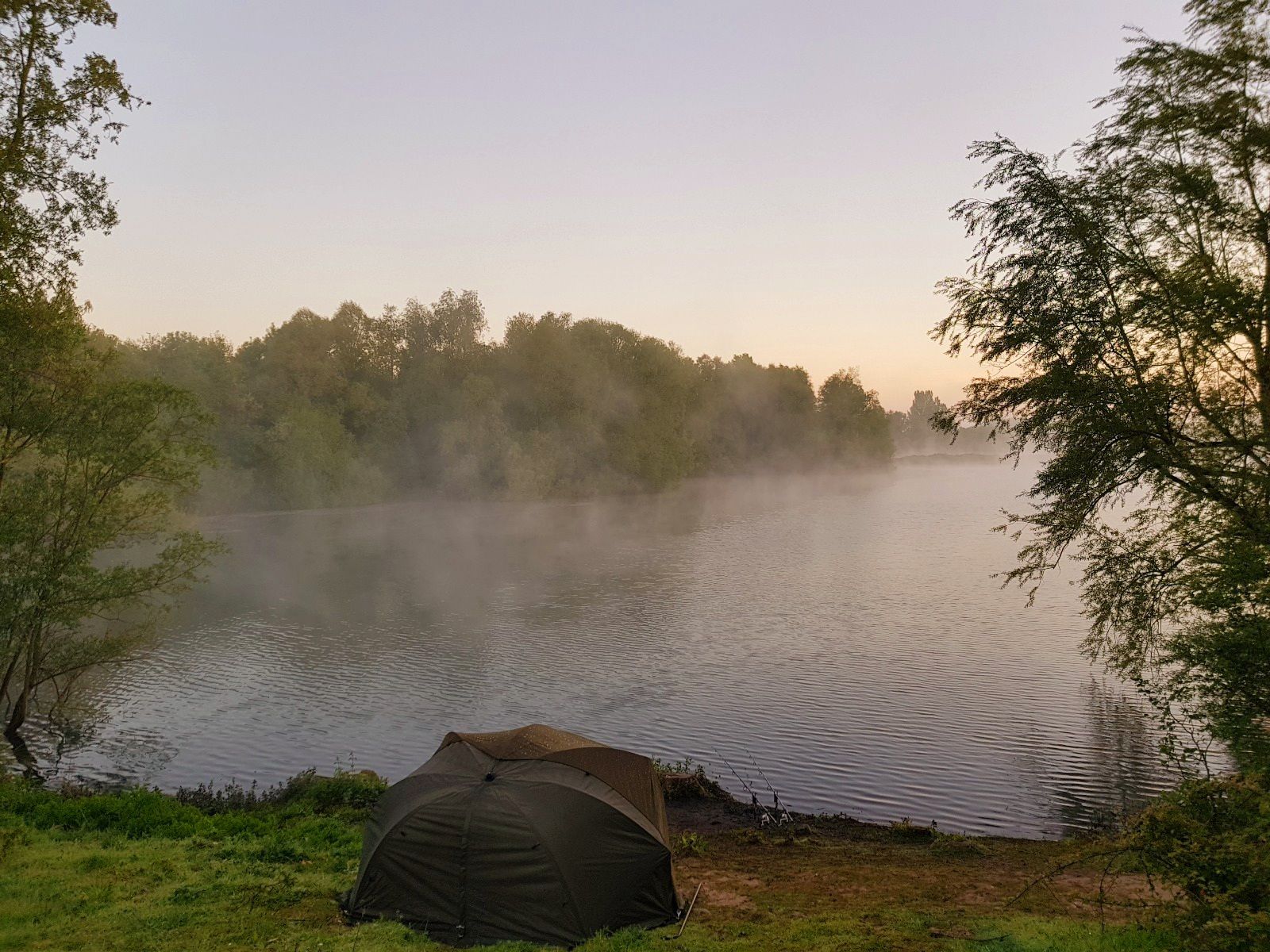
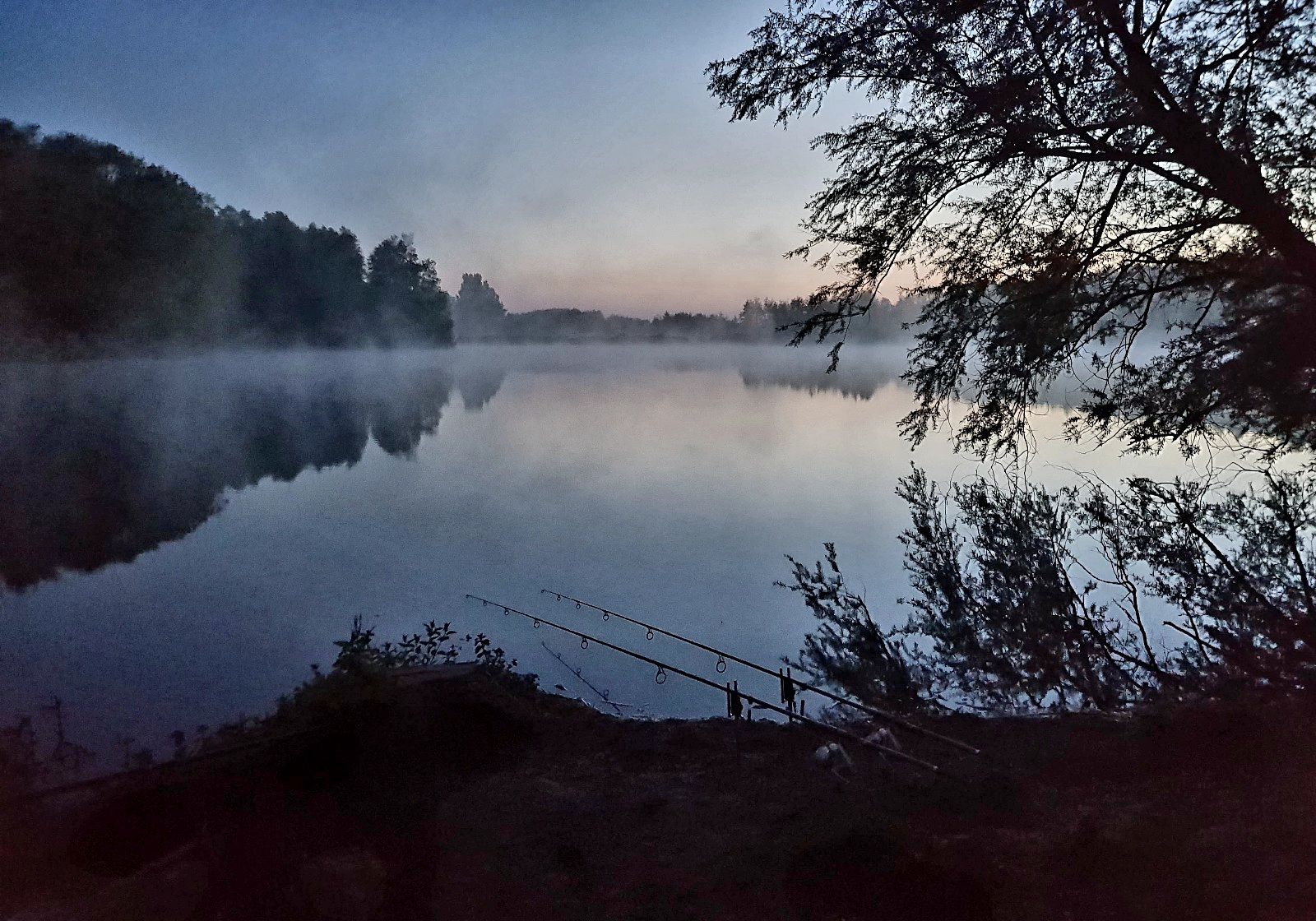
As my career progressed, I became more invested in my job and started moving up the ranks. The work-life-fishing balance became harder, but I was determined not to let it slip. I would often do quick overnight sessions, arriving at the lake at 6 or 7 p.m., setting up in the dark, and then packing up early the next morning to head straight to work.
It wasn’t easy—especially during the winter months—but the effort was worth it. Some of my most memorable sessions came from those short, sharp sessions. They forced me to become more efficient with my setup, baiting strategy, and location choices.
The Workplace vs. Fishing
One of the funniest moments in my working life came when a boss of mine realized I was fishing nights during the week. He asked me if it affected my work.
“Has it done yet?” I replied.
“No,” he admitted, “but why?”
“Because I’ve been doing it for the past ten years since I started working here,” I said.
He had no idea! That conversation stuck with me because it highlighted how well I had managed to balance my passion with my career. But even with the best planning, there were times when work took over, and I had to miss sessions. That’s just part of life.

The Reality of Retirement and Semi-Retirement
I had always planned to retire at 45, just like my dad did. Watching him retire early made me realize that there’s more to life than just work. However, as reality set in, I had to adjust my expectations, as my wife had to increase her work hours to full time to supplement the family funds. Full retirement at 45 wasn’t realistic, but semi-retirement was achievable. We would have to adjust our expectations as a family.
After 34 years in the shipping industry—working 12-hour days and being on-call 24/7—I knew I had put in enough hours to warrant slowing down. Today, I work part-time as a gardener, which provides the perfect balance for me between work, fishing, and personal time. I can fish more in the winter when the banks are quieter and work more in the summer when I prefer to avoid the heat.
The Evolution of My Fishing Approach
When I first started fishing seriously, I was obsessed with results. I wanted to catch as many fish as possible and constantly pushed myself to improve. But over time, I realized that fishing isn’t just about catching—it’s about the experience.
Fishing has always been my escape, my time to reset and reconnect with nature. It’s where I feel most at home. But as my responsibilities grew, I had to accept that I couldn’t always fish whenever I wanted. Instead of fighting against that, I embraced it.
One of the biggest lessons I’ve learned is to stop comparing myself to other anglers. It’s easy to get caught up in what others are catching, but that only leads to frustration. Fishing is personal—what works for one person might not work for another. The key is to focus on your own journey and make the most of your time on the bank.

Handling Other Anglers and Fishing Pressure
One of the biggest challenges weekend anglers face is dealing with other anglers. The banks are always busier on weekends, and getting into your preferred swim can be a battle. This can be incredibly frustrating, especially when you’ve planned your session around a specific area.
Over the years, I’ve developed strategies to deal with this. I always have backup swims in mind, and I make a habit of observing fish activity rather than rushing to set up. If my usual spots are taken, I don’t force it—I adapt.
Another issue is angling pressure. If you’re only fishing once a week, you have no idea what’s been happening on the lake in the days leading up to your session. Has a swim been hammered all week? Has someone put in a huge bed of bait? Has the lake been quiet?
Gathering this information is crucial. Speaking to other anglers, watching the water, and understanding fish movements can make a huge difference in your results.
Weather, Moon Phases, and Conditions
Many anglers get caught up in weather patterns and moon phases. While these factors can influence fish behavior, they aren’t everything. If you only have one night a week to fish, you can’t afford to wait for perfect conditions—you have to fish regardless.
I’ve had some of my best sessions in “unfavorable” conditions, simply because I adapted to what was in front of me. The key is to fish with confidence. If you go in expecting to blank because the conditions aren’t ideal, you probably will.

The Joy of Winter Fishing
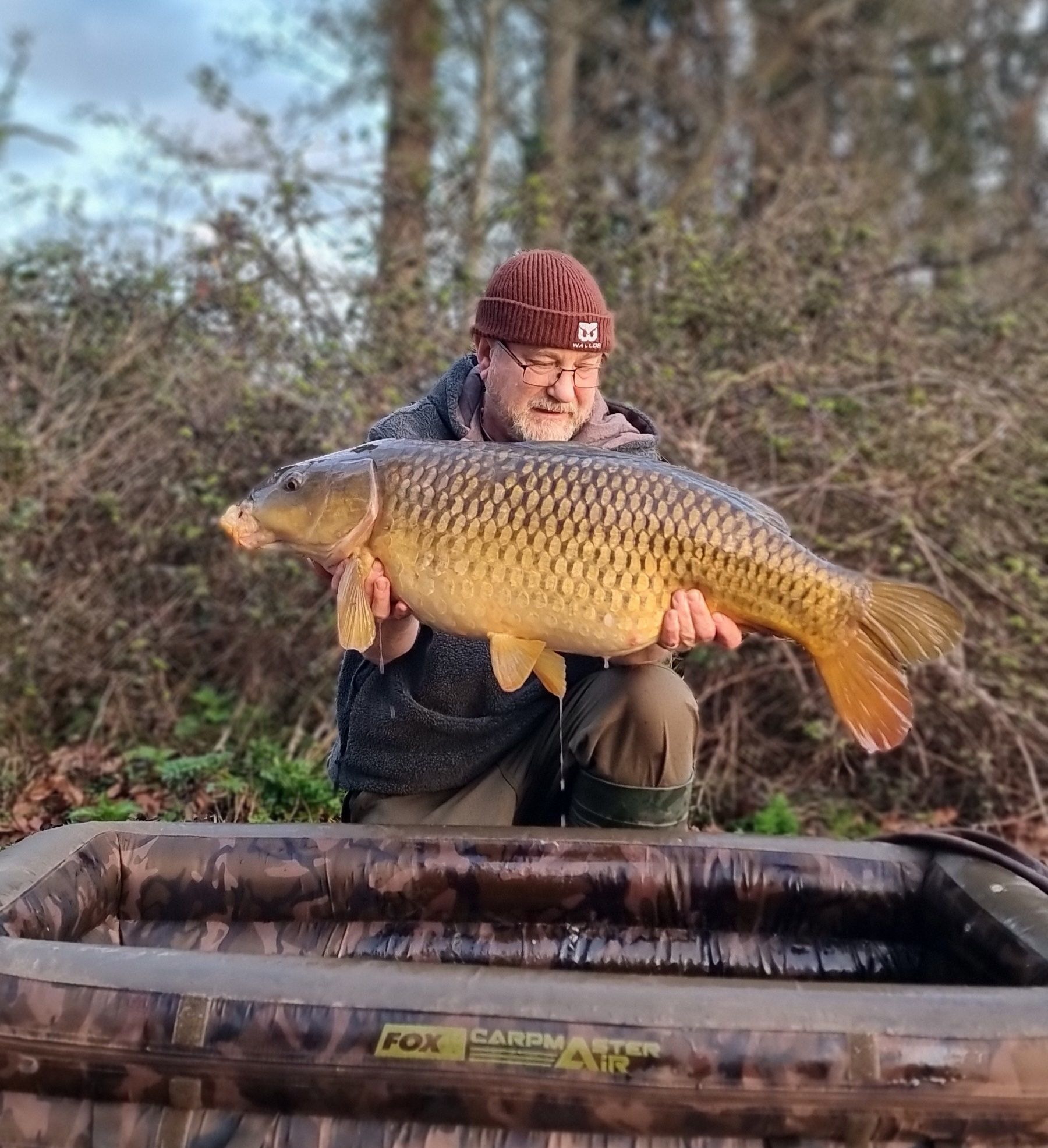
Winter fishing has always been my favorite. The banks are quieter, the fish are less pressured, and the sessions feel more rewarding. While some anglers pack away their gear when the temperatures drop, I see it as an opportunity.
Yes, winter fishing requires more effort—you need to stay warm, adjust your baiting approach, and be more patient—but the rewards are worth it. Some of my best fish have come in the depths of winter when most people wouldn’t even consider fishing.

The Mental Side of Fishing
Fishing isn’t just a physical activity—it’s a mental game. The way you approach each session, the mindset you bring, and your ability to stay positive all play a role in your success.
If you go into a session doubting your tactics, questioning your swim choice, or worrying about what others are catching, you’re already at a disadvantage. Confidence is key. Even if things aren’t going your way, trust your instincts and stick to your plan.

Making the Most of Your Time
For the everyday angler, efficiency is everything. When you only have one night a week to fish, you can’t afford to waste time.
Here are a few tips I’ve learned over the years:
Prepare in advance: Have your gear ready to go so you can maximize your fishing time.
Keep your setup simple: Overcomplicating things wastes time and energy.
Have backup plans: If your first-choice swim is taken, know where you’ll go next.
Use observation to your advantage: Pay attention to fish movement, feeding patterns, and angler pressure.
Don’t stress over results: Enjoy the experience, regardless of whether you catch or not.

Final Thoughts
At the end of the day, fishing is about more than just catching fish. It’s about enjoying the time on the bank, escaping from the stresses of life, and embracing the experience. Whether you fish once a week or multiple times, the key is to make the most of it.
Accept your fishing circumstances, focus on what works for you, and most importantly—enjoy it. Fishing should be a passion, not a source of stress.
Until next time,
Richard



Get 10% off Deeper with Code – RICHARD10







 UK Carp & Coarse Fishing