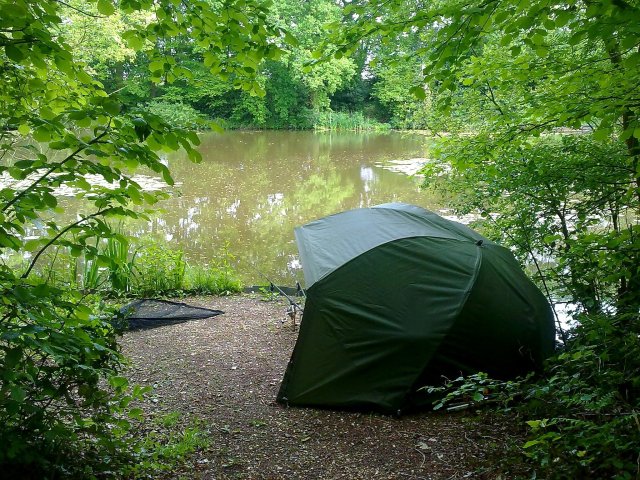
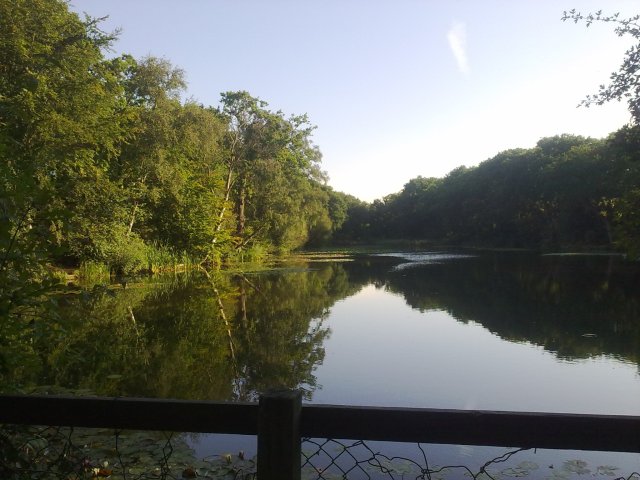
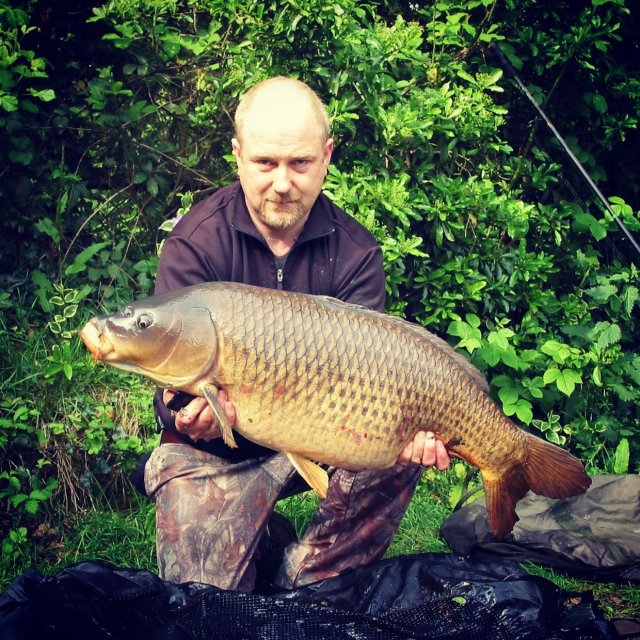
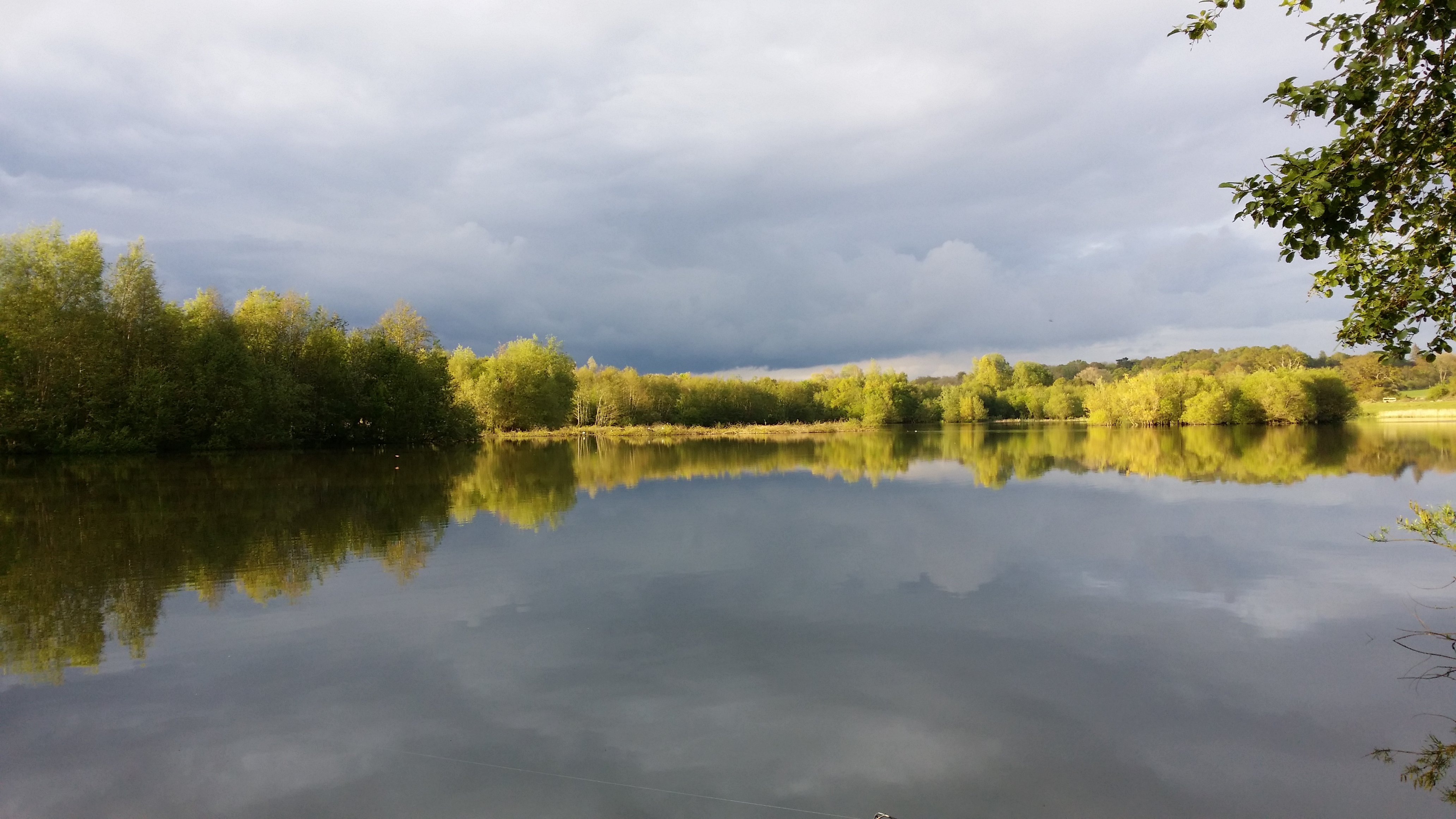
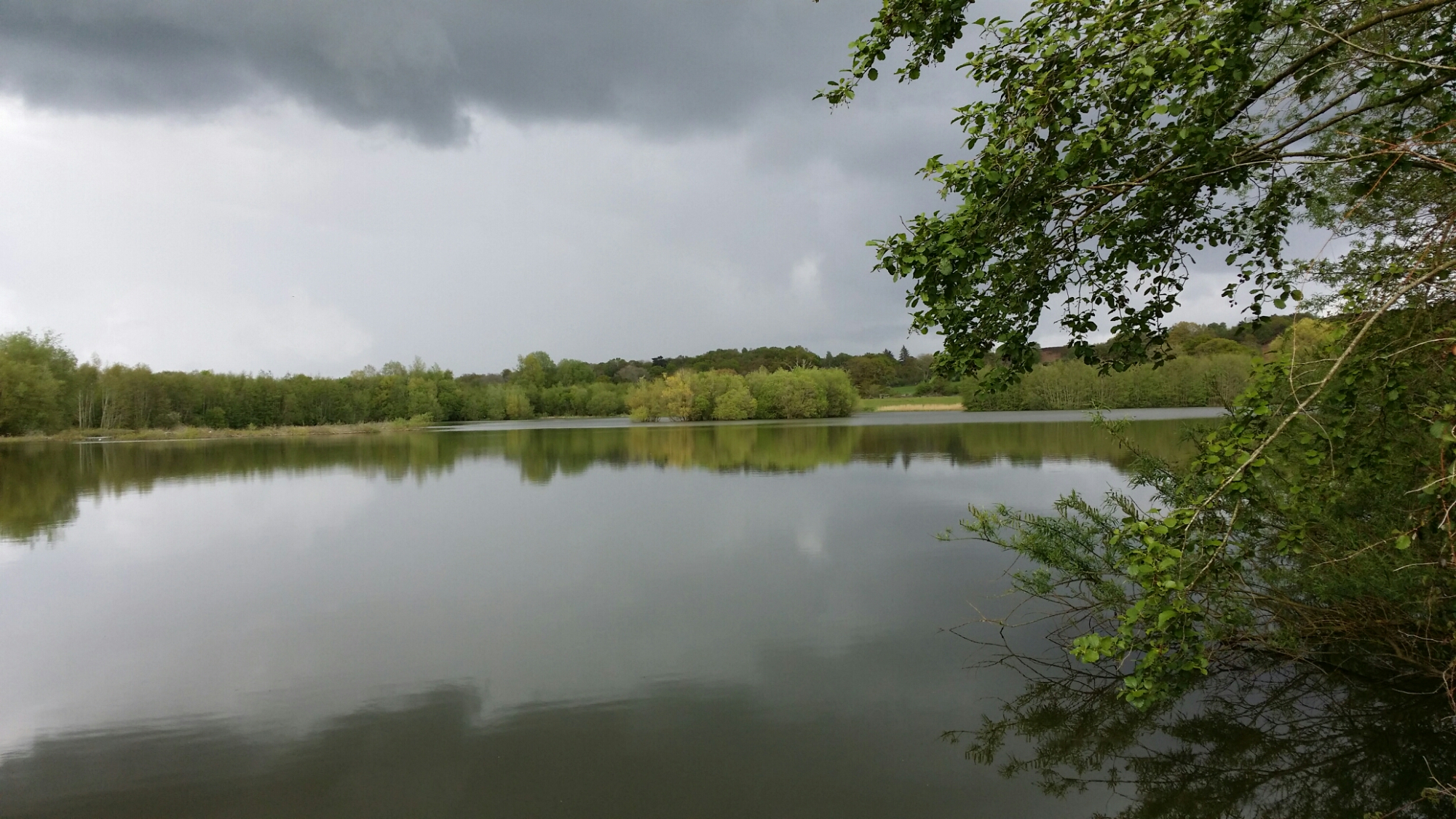
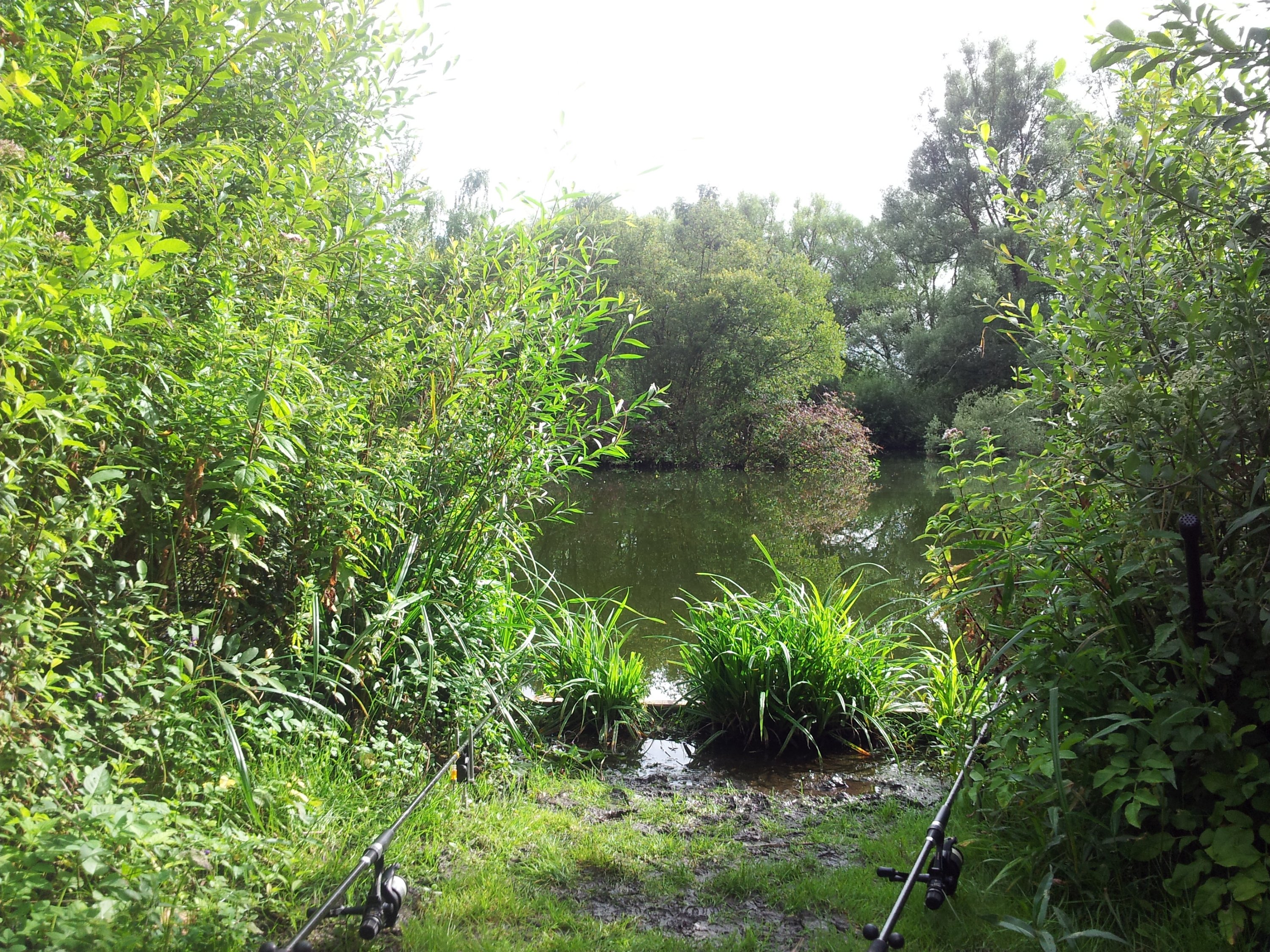
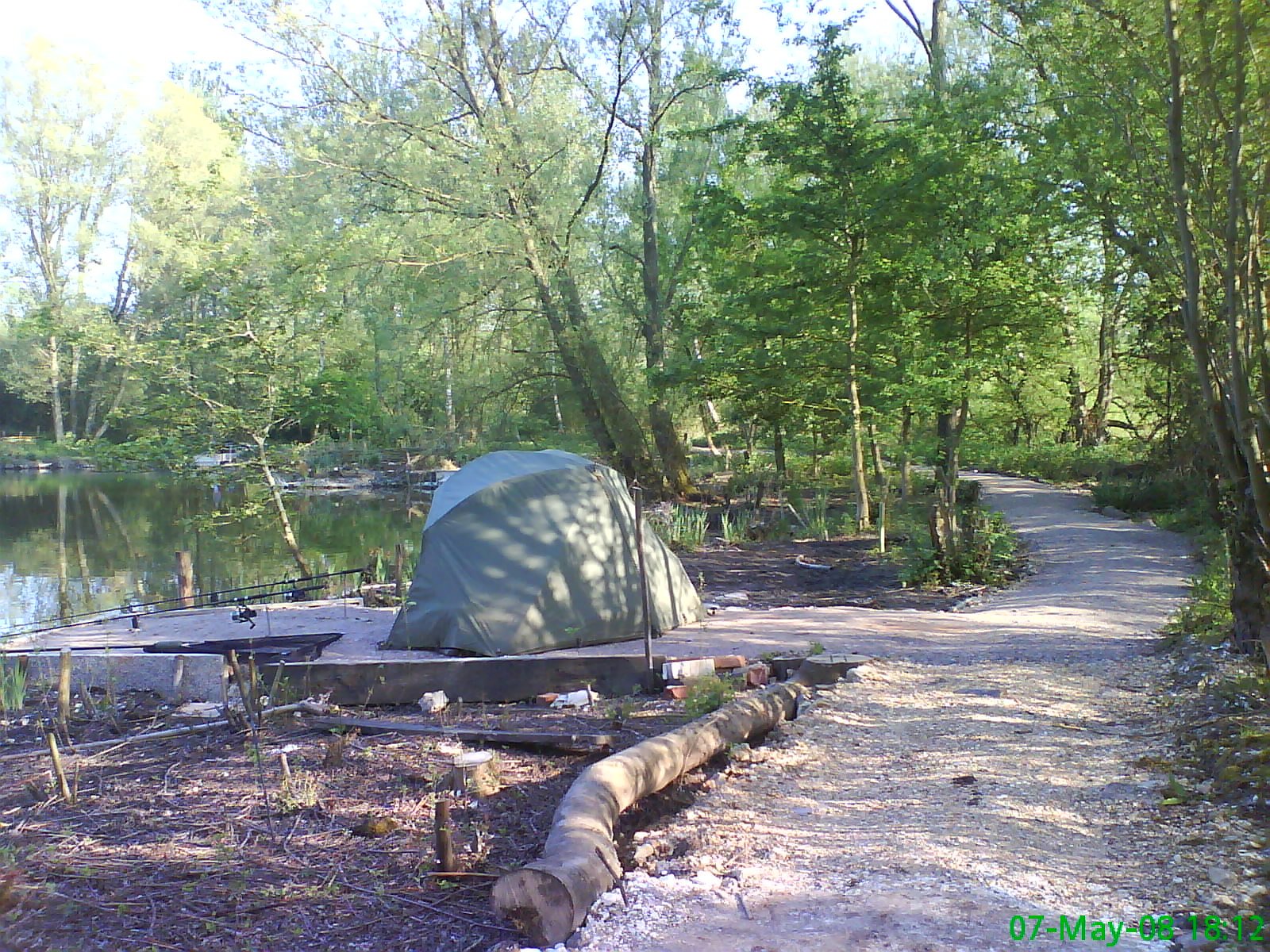
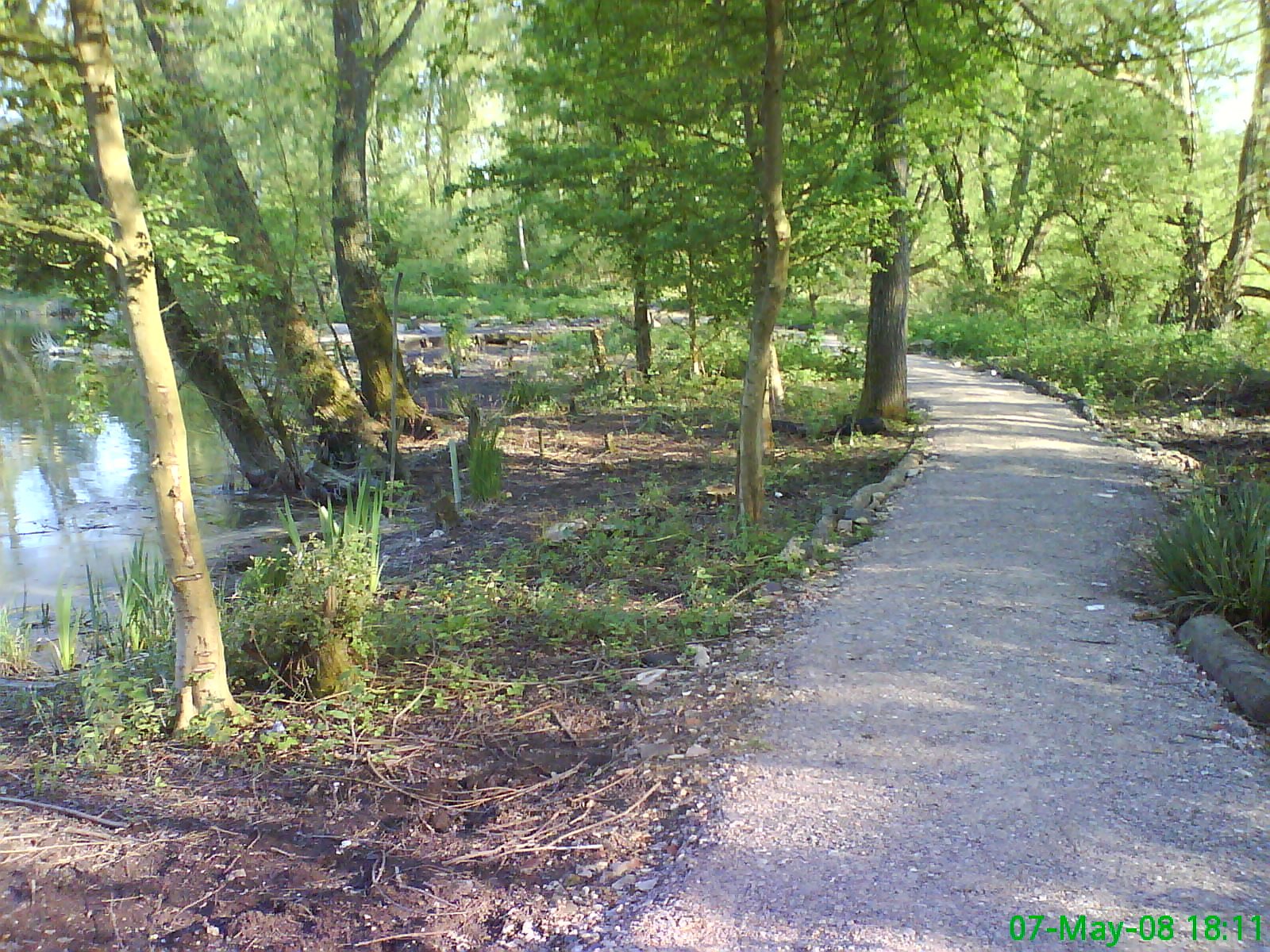
I first joined here about 1999 and stayed a member until last year. I only ever fished it properly over a winter in between the interim syndicate starting and the full-on syndicate where I’m currently a member of. I only ever fished there as a place to get away from the crowds. It was situated up a 1/2 mile path through a wood, which could get very muddy, this put anglers off. It was very easy in the beginning but unfortunately, it had a fish kill and the restocked carp behaved completely differently.
I
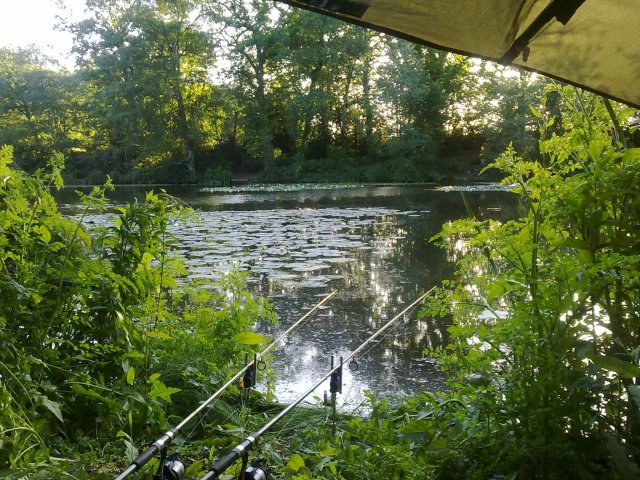
It was full of lilly pads and a large reed bed at one end with a dam wall and was just so peaceful and tranquil fishing there.
This is one of the biggest dilemmas faced by anglers, from beginner to someone who has been fishing for years. Unless you know the lake or person writing the article, you will not understand this situation behind it. E.g venue, stock, weather conditions or water temperature. These all play a part in the choice you have to make. Which sort of bait are they talking about? Boilies, pellets, Groundbait or maggots. Anglers put out kilos of particles in the winter months, they wouldn’t dream of doing this in the summer, well some do.
I don’t wish to confuse any beginners but the major rule must be less is more in the winter. You can never take out what you put in the lake.
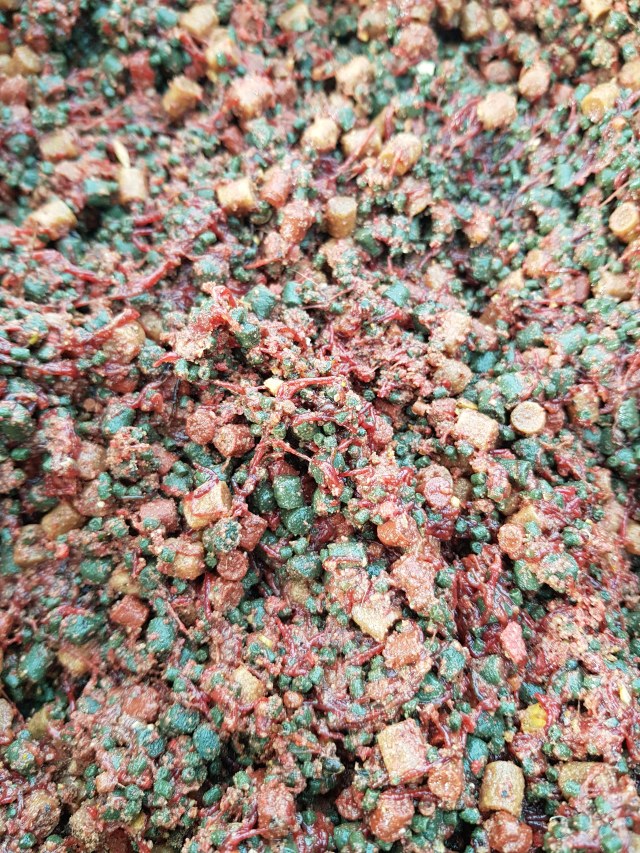
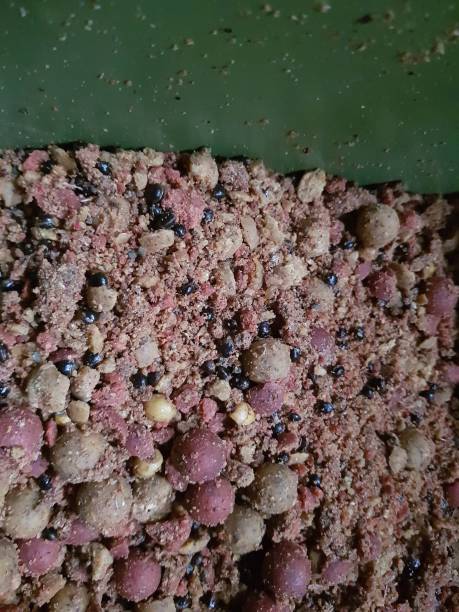
My personal approach is to continue to do much the same amount of spombs but change the contents towards the finer bait. Basically, I reduce the number of whole boilies, start to grind them up more, add micro pellets and particle. Now, this is only when I am fishing, as I still prebait with boilies but less frequent in the winter months. This approach only applies to the type of lake I am fishing.
If you are fishing a heavily stocked water and the carp feed in the winter months, especially if you keep chucking in the bait, you will be surprised that the carp will still feed on the coldest days if they don’t have to move far for the food. Just to confuse you more. this can also apply to low stocked waters if you do your homework and know where the carp are and you can keep an eye on their feeding patterns.
This really only applies to the full-on winter angler, if you only go once a month, stick to the less bait as possible. Try over flavoured hook baits and tiny bags soaked in plenty of attraction.
Chopped Boilies
The important parts are to remember is not an exact science but if you fish a lake for a few years you will understand the patterns of the fish and can apply this to smaller lakes.
Time is a big key to the factor, that’s time spent fishing over the winter months, which is certainly not an easy task.
This lake is broken into three parts, all connected by large channels. I have called them top, middle lake and the bottom lake (that was hard work to name them!). The bottom lake is the deeper, next is the middle which leads to the top lake. This is also the largest of all lakes and has seven islands dotted around. All being quite large and you are able to fish off of two of the islands. There is also a large area of the lake which the carp can escape to, from the pressure of anglers. There are oh so many bars and humps to fish to. I am sure that that I have only found out a tiny amount about these lakes.
I love to know the history of lakes I am fishing. I find it fascinating and it gives you a brief history of where you are fishing. So I started to searching the internet and found some amazing stuff.
Situated on the western edge of the New Forest, between Ringwood and Fordingbridge, Ibsley was a busy RAF and USAAF Fighter airfield during World War II, after which it became an accommodation base for personnel from the nearby R.A.F. station at Sopley. R.A.F. Ibsley opened on 15th February 1941, flying activities ceased in 1946, and the station finally closed in 1952.
It was at Ibsley, during the late summer of 1941, that the flying sequences for the classic film ‘First of the Few’ starring David Niven, Leslie Howard and Rosamund John,depicting the story of the development of the Spitfire by Reginald J. Mitchell were filmed, with pilots of No’s. 118 and 501 Squadrons taking part between operational sorties.
During its operational years, many squadrons were stationed at R.A.F. Ibsley, including no’s. 32, 66, 118, 124, 129, 165, 234, 257, 263, 302, 310, 312, 313, 421, 452, 501, 504 and 616 of the Royal Air Force, also No. 7 Flying Instructors School and the No 1. Glider Pick-Up Unit. Ibsley was also used, for short periods, in 1942 and 1944, by the United States Army Air Force, the 1st Fighter Group, 8th Air Force The 48th, 367th, 371st Fighter Groups, 9th Air Force, and 67th Tactical Recce unit of the 9th Air Force.
A number of wartime structures still remain at Ibsley and several, including the old Control Tower, the Battle Headquarters, Direction Finding Station Blast Wall and twelve remaining Compass Points, a Sleeping Shelter and Stanton Shelter, have been registered by the Group with the Imperial War Museum’s Defence of Britain Project. This project aims to list the World War II structures still remaining in this country. These structures have also been registered with the Sites and Monuments Register of the Hampshire County Council
On 24th April 2000 a polished granite Commemorative Plaque resting on a Purbeck stone base was unveiled to mark the role R.A.F. Ibsley played in World War II and beyond. It rests on the existing wartime concrete base of the airfields old guardroom/picket post at Cross Lanes, Mockbeggar. A link to google maps for directions can be found on our get involved page.
I also found this propaganda video with David Niven filmed on the airfield.
Ibsley Control Tower combines so much that is of interest to those appreciative of atmosphere. Ibsley was a very busy RAF airfield in the last proper war. It was the location for a morale-boosting wartime movie starring David Niven, and was taken over by the Americans in 1943. Ibsley played a major role in the D-Day invasion. It survived for precious few years, the airfield having been lost, almost entirely, to gravel abstraction. All that is left is a ruined and forlorn watch office (control tower) surrounded by lakes, now known as Mockbeggar Lakes, with wooded islands.
There is undeniable atmosphere, and a definite sense of foreboding due to graffiti and drug-related litter suggesting regular use as a rendezvous for illicit nocturnal activity – which seems all the more strange when one considers the affluent and respectable New Forest village setting. Looking closely at the daubed and battered walls it is just possible to make out three forces’ sweethearts painted by US airmen. Well meaning plans to save and restore the building have come to nothing and, unfortunately, its complete demise seems imminent. Ibsley Tower is on private land belonging to the gravel company, but its isolation and neglect would suggest that trespass for the sake of curiosity is unlikely to be a problem.
It can be viewed lawfully from the north-western most corner of Fir Walk, public access woodland a quarter of a mile to the south of the village of Mockbeggar, which itself is just off the A338, about two miles north of Ringwood.
I fished this lake twice over the years – with a large gap in between. I’ve no photos of the first time around, but the lake was absolutely stunning. It still was when I arrived back the second time – until the big cut back, which was quite dramatic and put a lot of anglers off. But not me! This was quite fortunate as the carp didn’t know any different, it was great fishing there. You could walk around, place your bait on the perfect spot and walk back to your rods.
T
The vegetation started to grow back and the anglers returned. I moved on to Kingham next door. Unfortunately, it got a bit silly with one angler arrive early and stick their bucket and chairs in swim to reserve swims for his mate’s, who would arrive 3 or 4 hrs later. This was the time that I headed off to fish a lovely syndicate on the Hampshire Avon for 6 years, where I hardly ever came across another angler.