Step by step guide to get you started


UK carp fishing is a popular and rewarding hobby that can be enjoyed by anglers of all levels. Here is a simple step by step guide to get you started:

1. Purchase a rod licence from the government website or your local post office branch. You can choose between a one day, eight day, or 12-month licence, depending on how often you plan to fish. A rod licence allows you to use up to two rods for carp fishing, or three if you have a 12-month licence¹.

2. Decide where to fish. Carp can be found in many types of water, such as lakes, ponds, rivers, and streams. However, as a beginner, you may want to start with smaller lakes that have a high stock of smaller fish, as they are easier to locate and catch. You can also look for commercial fisheries that allow carp fishing and provide facilities and amenities².

3. Choose your fishing gear. You will need a rod, a reel, a line, a hook, and a bait to catch carp. There are many types of rods, reels, lines, hooks, and baits available, each with its own advantages and disadvantages. As a beginner, you may want to opt for a simple and versatile setup that can handle most situations. For example, you can use a 12-foot rod with a 2.5 lb test curve, a bait runner reel with a 10 lb monofilament line, a size 6 or 8 barbless hook, and a boilie or sweetcorn as bait³.

4. Set up your fishing spot. Once you have found a suitable place to fish, you will need to set up your rod and line and prepare your bait. You can use a simple knotless knot to attach your hook to your line, and then thread your bait onto the hook. You can also add a hair rig, which is a short piece of line that extends from the hook and holds the bait, to prevent the carp from ejecting the hook. You can also use a lead weight to help cast your bait further and keep it on the bottom, where carp usually feed³.

5. Cast your bait and wait for a bite. You can use a marker float or a feature finder to locate the depth and features of the water, such as weed beds, gravel patches, or drop-offs, where carp may be hiding. You can then cast your bait near these areas, and wait for a carp to take it. You can also use a bite alarm, which is a device that attaches to your rod and makes a sound when your line moves, to alert you of a bite³.

6. Strike and play the fish. When you get a bite, you will need to strike, which means lifting your rod quickly and firmly to set the hook in the carp’s mouth. You will then need to play the fish, which means keeping the line tight and applying pressure to tire the fish out. You will also need to adjust your drag, which is a mechanism that controls the tension of the line, to prevent the fish from breaking the line or pulling the hook out. You will need to be patient and careful, as carp are strong and can fight for a long time.

7. Land and handle the fish. Once you have brought the fish close to the bank, you will need to land it, which means using a landing net to scoop it out of the water. You will then need to handle the fish, which means unhooking it, weighing it, measuring it, and taking a photo of it if you wish. You will need to be gentle and respectful, as carp are delicate and sensitive creatures. You will need to use a wet unhooking mat to protect the fish from injury, and a pair of forceps or a disgorger to remove the hook. You will also need to return the fish to the water as soon as possible and support it until it swims away.

Congratulations, you have just caught your first carp! You can repeat the process as many times as you like, and try different methods and techniques to improve your skills and catch bigger and better carp. You can also learn more about carp fishing from books, magazines, websites, videos, and other anglers. Carp fishing is a fun and rewarding hobby that can bring you many hours of enjoyment and satisfaction. Happy fishing! 🎣.

screenshot_20231216_131920_jetpack5279030229044194524

Until next time

Richard

sf


asso
deeper_black_preview
wp-15839497464748573160201168129655.jpg


500x500-3-3
 

See the source image

Posted in Carp fishing | Leave a comment

Trip 11 Carp Fishing – 2024


2 Nights

Airfield Lake

Gate Island Swim

20240320_1558001232486804517984283

I’m back after going home yesterday for a family thing. Last night, I was back down at the lake around 07:30, knowing exactly where I was heading. After seeing a couple of nice carp show off Gate Island, that swim was my number one choice. It’s a bit of a pain to get to due to crossing a wooden bridge just wide enough for a barrow when it’s full of kit to get across. Well, half full, as I don’t fancy dumping it all in 3ft of silty water.

Once across, on an idyllic island with wildlife for company. My approach was to get both rods out to each corner of the island in front of me, where I’d seen carp on my previous trip and sit back and wait until about 13:00 hrs, processing the information from my observations throughout the morning.

20240320_0920264501434943654194414

I spotted carp pretty much everywhere and was taken aback by the amount of activity today compared to yesterday, it’s the first day of spring, and they had gone crazy overnight.

With the calmer weather forecast, I’d gone for the long-range operation to start with, and if necessary, move the baits to another area. They start to form a pattern in their activities over the next 24 hours, which gives me another 24 hours to fill a spot in and get a carp or two before the dredged tooth operation this Friday, the 22nd of March 2024.

20240320_0921155642018973823993951

The afternoon and evening were fantastic. The conditions and the carp were very active, and then night arrived. The skies cleared, the moon came out, and in the early hours, the fog arrived. That was the kiss of death; the carp vanished, and not a sign until around 09:00 hrs this morning.

I’ve come to the conclusion that one or both of my rods need to move. Plus, as I’ve got to be up and gone early tomorrow morning, if the skies are due to be clear again, it’s possibly pointless in actual fishing tonight. I may have to knock it on the head and accept that I’m not going to catch until I can get back into some sort of rhythm, which may be hard going over the next four weeks.

I will just have to take it week by week. Most importantly, my tooth needs to heal well, and then I can fit my fishing around everything else, which is pretty easy. I’ve a few weeks when it may be days only but that could produce me some carp.

20240321_062121141672662981139058

I honestly think I’m more worried about having my gum cut open. What’s left of my tooth cut in half and then pulled out, stitched back up, and then the whole healing process. I’m glad I’m going private instead of NHS because I just don’t want to wait any longer. This saga has been going on since the beginning of December and is no doubt getting me down. Roll on a couple of weeks when hopefully it will be a distant memory.

Today is supposed to be similar weather-wise to yesterday, but that turned out even better than expected, and hopefully, today will be as good.

20240320_183324102087407930063296

Ian is doing his first night of 2024 in the Tower Swim, as he likes it there, and he did well there in previous years. I think he stands a good chance of catching his first carp of the year over the next few nights.

Once the weather has updated itself this afternoon, I will make up my mind if it’s worth the night or not. Currently, there’s a cloud cover forecast, which is perfect. Hopefully, it won’t change. I’m almost certainly going to have a damp pack-up.

It was a very silent night and an early start to get off the lake before the rain. I will be back soon, and hopefully, the tooth issue is about to be resolved today, as it’s been way too long.

Until next time,

Richard

sf

asso
wp-15839497464748573160201168129655.jpg

th

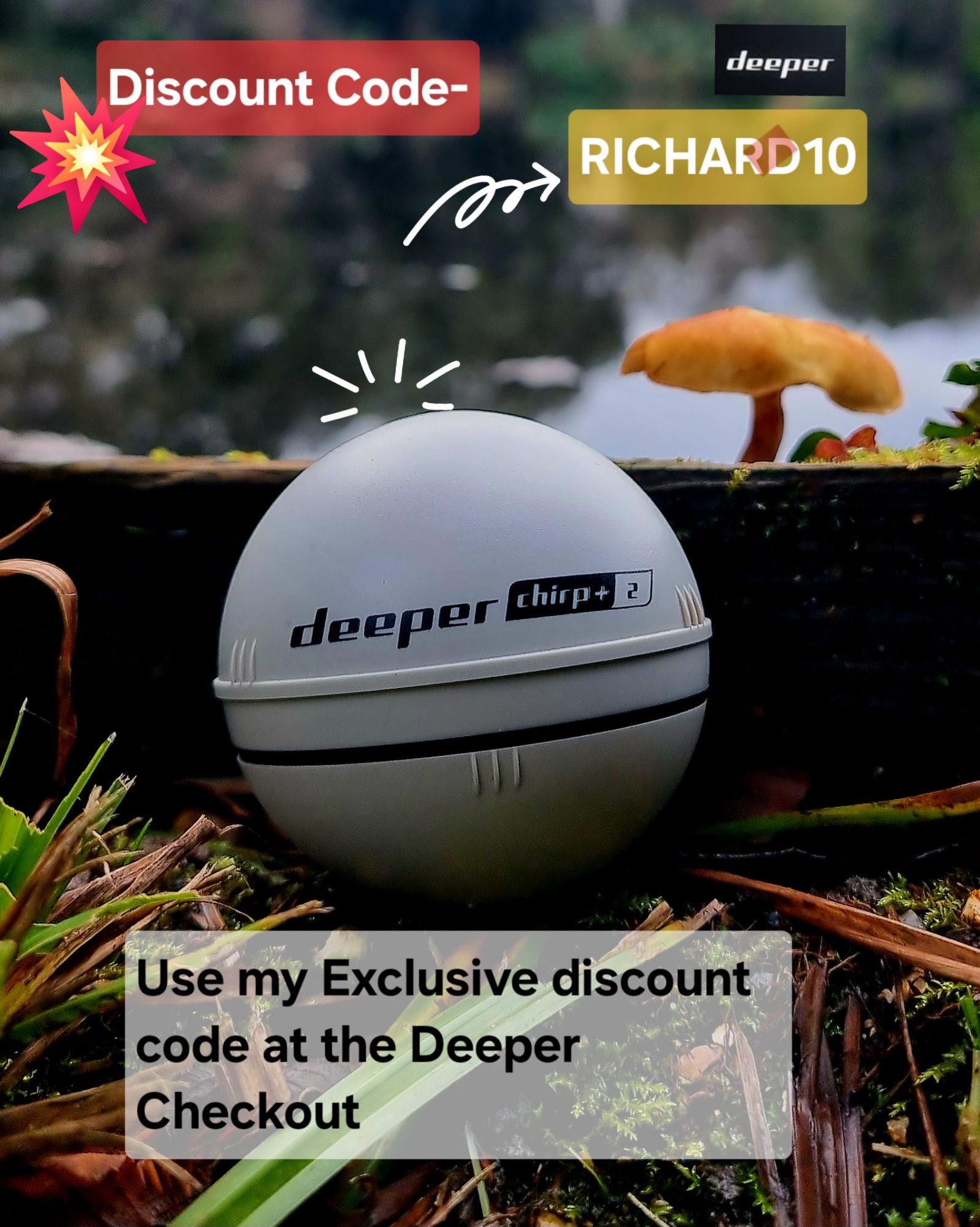
Get 10% off Deeper With Code – RICHARD10

See the source image

This image has an empty alt attribute; its file name is screenshot_20230421_031133_facebook.jpg

Posted in Carp fishing | Leave a comment

Evolution of Ingenuity: The Birth of the Combi Rig”


“Evolution of Ingenuity: The Birth of the Combi Rig”

Introduction: In the vast and ever-evolving world of carp fishing, innovation often emerges from necessity and resourcefulness. Richard, in this captivating blog, takes us on a journey back to the 80s, sharing the humble beginnings of what later became known as the Combi Rig. Far from claiming invention, Richard sheds light on how anglers, driven by financial constraints and the desire to make the most of available materials, unknowingly contributed to the birth of a rig that would stand the test of time.

Chapter 1: A Frugal Start As a young angler with limited funds, Richard found himself exploring ways to stretch his tackle budget. In the backdrop of the 80s, when expensive hook link materials were a luxury, he started repurposing old rigs. Salvaging components from worn-out setups, he ingeniously began joining different hook link materials to create a cost-effective alternative. Little did he know that this frugal approach would lay the foundation for a rig that would become a staple in carp fishing.

Chapter 2: Unveiling Merlin and Kyston The introduction of new hook link materials, notably Merlin and Kyston, marked a turning point in Richard’s pursuit of an efficient yet budget-friendly rig. The increased availability of these materials sparked experimentation, and Richard found himself at the forefront of combining them to enhance the rig’s performance. The focus was not on inventing but on finding a practical solution to the financial constraints many anglers faced.

Chapter 3: The Perfect Combination Over time, Richard noticed that certain combinations of hook link materials delivered exceptional results. The rig’s ability to secure a reliable hook hold and optimal positioning in the carp’s mouth hinted at the potential breakthrough. By judiciously combining stiff heavy nylon with a strategic piece of Merlin, Richard stumbled upon a winning formula. The cost-effectiveness of this approach, using sea fishing lines that were more budget-friendly, made it even more appealing.

Chapter 4: A Widespread Evolution Richard believes that his story is not unique but rather a reflection of a widespread phenomenon among anglers. The birth of the Combi Rig, he contends, was an unintentional collaboration of anglers nationwide, all seeking ways to maximize efficiency while minimizing costs. As materials became more readily available and the fishing industry experienced a boom in the 90s, the trajectory of carp fishing changed for the better.

Conclusion: In the final thoughts of his blog, Richard reflects on the evolution of carp fishing rigs and the unintended contributions of anglers striving to make the most of their resources. The Combi Rig, born out of necessity and innovation, continues to be a testament to the ingenuity of carp anglers. Richard leaves us eagerly anticipating his next ramblings, a reminder that the journey of discovery in carp fishing is ever-ongoing.

ChatGPT can make mistakes. Consider checking impo
Posted in Carp fishing | Leave a comment

Nice Result


A nice result last night.

Richard

Posted in Carp fishing | Leave a comment

Step by step guide to the best features


Carp fishing is a popular and rewarding hobby that can be enjoyed by anglers of all levels. Here is a simple step by step guide to the best features to fish for carp fishing:

1. Overhanging Trees: These are great because they provide shade, cover, and food for carp. Carp often feed on insects, worms, and berries that fall from the trees, and also use them as hiding places from predators. Look for trees that have branches close to the water, and cast your bait under them. Be careful of snagging your line on the branches, and use a strong hook and line to pull the carp out¹.

2. Gaps Between Islands: These are another very simple feature to find, and the carp just love these spots. Carp use the gaps as routes to move between different areas of the lake, and also as ambush points to attack prey. The gaps create currents and eddies that stir up the bottom and bring food to the surface. Cast your bait near the edges of the gaps, and wait for the carp to swim by¹.

3. Humps, Indentations, and Gullies: These are more subtle features that require some exploration to find. They are variations in the depth and shape of the lakebed, and they offer carp different options to feed and rest. Humps are raised areas that attract carp because they are warmer and have more oxygen. Indentations are depressions that collect food and silt, and provide shelter for carp. Gullies are channels that connect different parts of the lake, and allow carp to move easily. You can use a marker float or a feature finder to locate these features, and cast your bait on or near them¹.

These are some of the best features to target when carp fishing, but there are many more to discover and experiment with. You can also look for weed beds, gravel patches, drop-offs, and other structures that may hold carp. The key is to observe the water, and try to think like a carp. Carp fishing is a fun and rewarding hobby that can bring you many hours of enjoyment and satisfaction. Happy fishing! 🎣.

wp-1700393789006

Until next time

Richard

sf


asso
deeper_black_preview
wp-15839497464748573160201168129655.jpg


500x500-3-3
 

See the source image

Posted in Carp fishing | Leave a comment