I often wonder if it’s worth writing a book, but in these modern times, I’m not sure it is now.

Title: The Carp Diaries: The Adventures of Richard Handel
Author: Richard Handel
Chapter 1: The First Bite
Richard Handel’s journey into the world of carp fishing didn’t start with a grandiose story of monster carp or pristine lakes. It began, like most things in life, with curiosity. Raised in a small village, Richard grew up near winding rivers and quiet lakes, but fishing wasn’t an immediate passion. It was only during his teenage years, when he witnessed an angler battle a tenacious fish on the banks of a local pond, that his love for carp fishing was born.
Carp, with their mysterious nature, beautiful golden scales, and elusive presence, soon became Richard’s obsession. But the path to mastering carp fishing was full of challenges—learning the tactics, understanding the equipment, and most importantly, developing patience. The early days of fishing often meant sitting by the water for hours without so much as a nibble, but that didn’t deter him.
“Fishing isn’t about catching,” Richard would tell anyone who asked about his endless hours by the lake. “It’s about being part of something larger, something wild.”
In time, Richard became known as a dedicated angler, always seeking the perfect swim and fine-tuning his rigs. He didn’t fish for glory or records; he fished for the love of the carp.
Chapter 2: The Airfield Chronicles
The Airfield Lake was special to Richard, a place where legends of giant carp circled among anglers. Tucked away from the busier waters, it was a challenging spot, battered by winds that often blew from the northeast, making conditions tough. But Richard saw potential in its depths.
On a cool autumn afternoon, Richard pulled up to Airfield Lake with his usual optimism. The wind was forecast to blow at 30 mph, but Richard was undeterred. He surveyed the lake, feeling the familiar sense of excitement as he planned his approach.
“Wind in your face,” he muttered to himself, repeating a mantra he had lived by for years. “That’s where the carp will be.”
Richard set up his bivvy, carefully preparing his rods, his bait, and his chosen swim. He spombed out the bait, creating an interception path, hoping that the carp would cross it. Everything was ready. Now, it was time to wait.
The hours passed slowly, as they often do in carp fishing. But just after 5 p.m., the familiar sound of the reel buzzing brought Richard to life. The right-hand rod was away. Richard scrambled to the rod, feeling the pull of a hard-fighting carp. As always, the fish had its own ideas, kiting to the right and threatening to tangle with the other line.
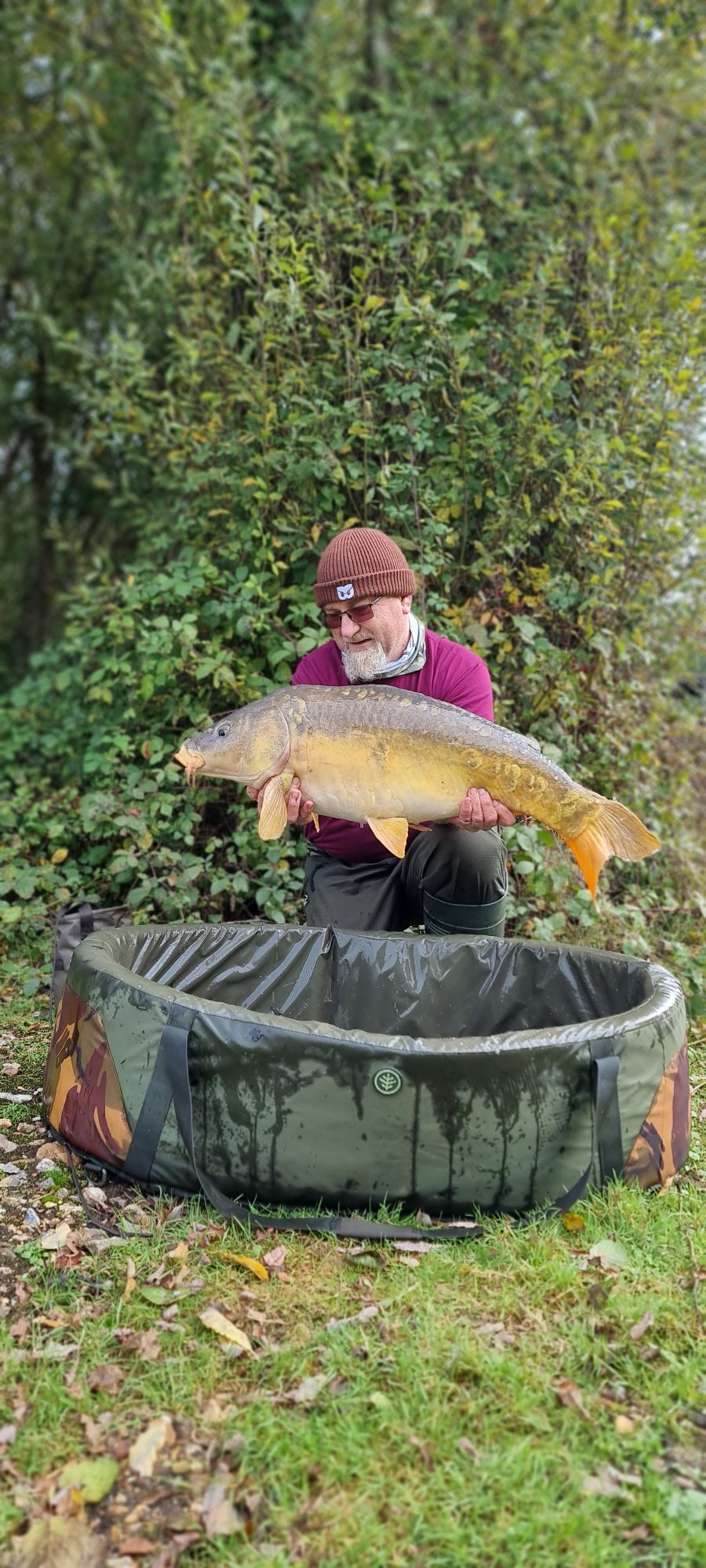
With patience and skill honed over years of experience, Richard maneuvered the fish away from the overhanging trees, guiding it toward his net. His heart raced as he leaned over the water. Finally, the carp surfaced—an 18lb 9oz common, shimmering in the golden light of the setting sun.
Richard smiled as he released the fish back into the lake. The Airfield Chronicles were just beginning.
Chapter 3: The Carp Whisperer
Carp fishing, for Richard, was never just about the fish. It was about understanding the rhythm of nature—learning to listen to the wind, read the water, and sense when the carp were active. Over time, Richard became known as a “carp whisperer” among his fishing mates, not because he had any supernatural ability, but because he had mastered the art of observation.
One day, as Richard prepared for another session at Meadow Lake, he noticed something unusual. The wind had shifted slightly, and the temperature was warmer than expected for the time of year. Most anglers would have taken these conditions as a sign to call it a day, but not Richard.
“This is when they’re on the move,” he muttered to himself.
Sure enough, within a few hours, Richard’s rod was buzzing with activity. He landed several carp that day, including a stunning 21lb common that fought harder than any fish he had caught before.
“It’s all in the details,” Richard later explained. “It’s not just about throwing out bait and hoping for the best. It’s about knowing when to be patient and when to take action.”
As his reputation grew, Richard began sharing his knowledge with younger anglers, teaching them the nuances of carp fishing. He never saw himself as an expert, just someone who loved the sport deeply and wanted to pass on his passion.
Chapter 4: The Winter Sessions
Winter brought a different challenge to carp fishing. The cold, harsh winds, often biting through layers of clothing, made most anglers pack up early. But Richard was not like most anglers. He believed that winter was when the real magic happened. The carp, though less active, could still be coaxed into taking bait—if you knew how to read the water.
One early December morning, with frost on the ground and ice clinging to the edges of the lake, Richard set up at his favorite spot on Meadow Lake. The wind was brutal, but Richard knew that the carp would be in deeper water, where the temperature was slightly warmer.
Hours passed, and just as the light was starting to fade, Richard’s patience was rewarded. The right-hand rod bent under the weight of a carp, and the reel screamed into life. The battle that followed was intense, with the carp darting toward submerged boulders, but Richard kept his cool. After what seemed like an eternity, he managed to slip the fish into his net.
He smiled as he weighed it: 24lb 3oz, a winter carp that had eluded other anglers for years.
Chapter 5: Beyond the Lake
Carp fishing wasn’t just a hobby for Richard—it was a way of life. But even the most dedicated angler needs a break. A trip to Dublin with his mates provided Richard with a chance to relax, recharge, and indulge in a few pints of Guinness. But even as he enjoyed the sights and sounds of the city, his mind was never far from the lake.
As Richard sat in a cozy pub in the heart of Dublin, surrounded by laughter and good company, he found himself reminiscing about the quiet moments by the water—the early morning mist, the stillness of the lake, and the thrill of that first take. Carp fishing wasn’t just about the fish. It was about the moments in between.
Chapter 6: The Big One
Every angler dreams of the “big one”—the fish that seems larger than life, the one that gets away. For Richard, that fish became a reality during a summer session at a lake he had visited only a few times before. The conditions were perfect, the wind was just right, and Richard had a feeling something special was going to happen.
By midday, Richard had already landed several respectable carp, but none of them were the giants he had hoped for. As the afternoon sun began to dip below the horizon, Richard’s reel buzzed with the unmistakable sound of a fish taking the bait. This one felt different.
The fight was long and grueling, with the fish diving deep and threatening to snap the line. But Richard remained calm, guiding the carp toward the bank with steady hands. After what felt like hours, the fish surfaced—a monster of 35lbs, shimmering in the last light of day.
Richard smiled as he cradled the fish for a quick photo. The big one had finally come.
Epilogue: The Legacy of the Lake
Richard Handel’s carp fishing journey was never about records or fame. It was about the quiet moments by the water, the thrill of the chase, and the joy of sharing his passion with others. Over the years, he became a legend in the carp fishing world, not because of the size of the fish he caught, but because of his deep respect for the sport and the natural world.
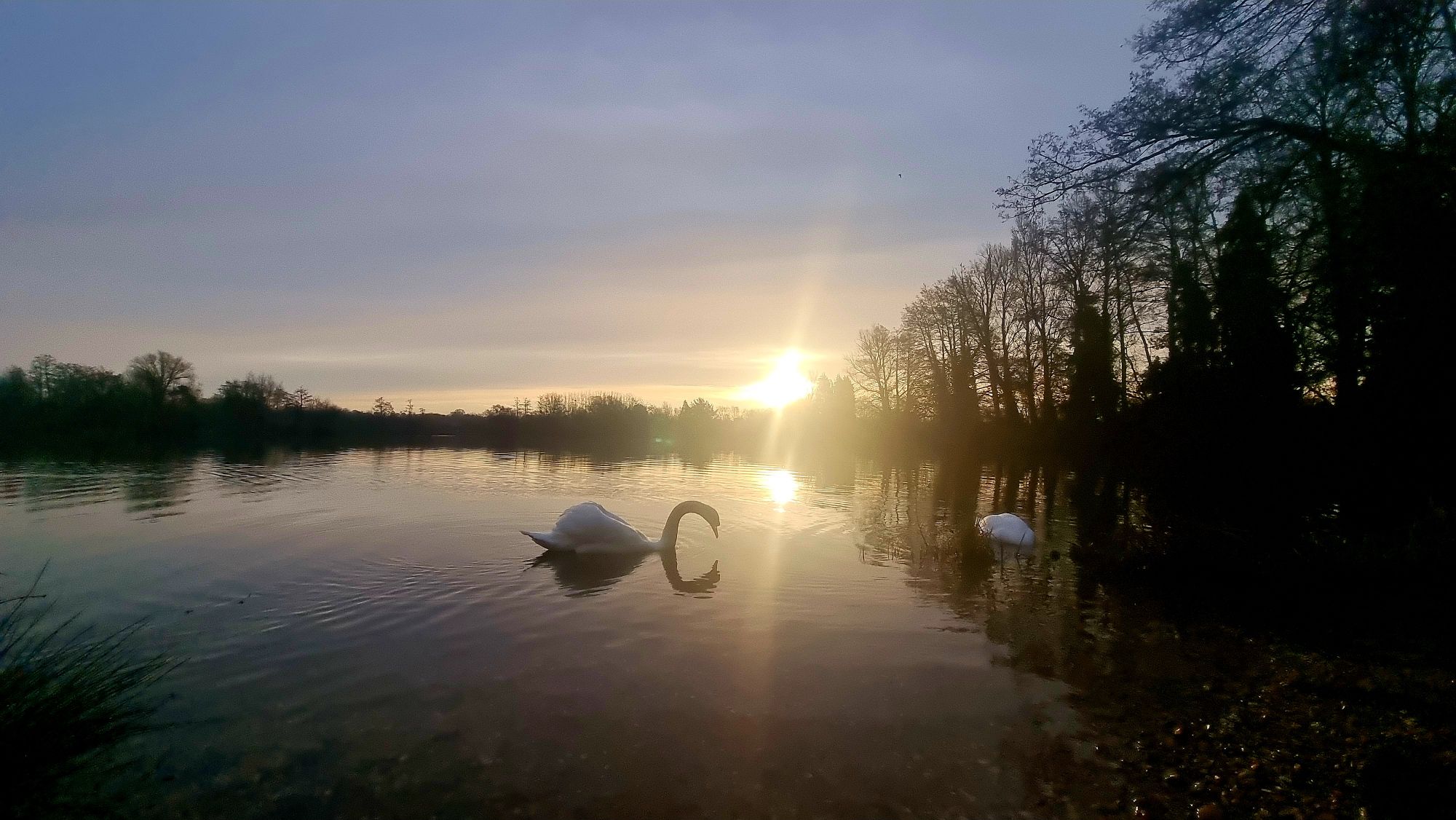
As Richard packed up his gear one last time, ready to head home after another successful session, he took a moment to look out over the lake. The wind rippled the water’s surface, and the setting sun cast a golden hue over the landscape. This was his world, and he wouldn’t have traded it for anything.
The Carp Diaries is not just a book about fishing; it’s a celebration of a life spent in pursuit of a passion. Richard Handel’s story reminds us that sometimes, the greatest adventures happen when we take the time to sit quietly and listen to the water.
The End