
The Dilemma of Staying Put or Moving: A Personal Reflection on Swim Choice
Fishing is a game of decisions, and one of the most difficult choices an angler can make is whether to stay put in a trusted swim or move in search of fish. Or to put it more simply, the famous question from 70’s punk band – The Clash ‘Should I stay or should I go now?’ Over the years, I’ve asked myself this question countless times, especially when I find myself setting up in the same swim session after session.
I’ve always been confident that the fish are close by or will eventually pass through my chosen swim. So, if that’s the case, why bother with all the walking, watching, and searching for fish? Why not just settle into a comfortable swim and wait for the inevitable? The answer, I’ve realised, isn’t as straightforward as it seems. It all depends on the circumstances surrounding each fishing trip and, more importantly, my mindset at the time.
How dedicated am I to catching on that particular day? Am I in the right frame of mind to put in the extra effort required to move swims and chase fish? Or am I just looking for a break from the stresses of life? These are the questions I find myself asking more often than I’d like to admit.
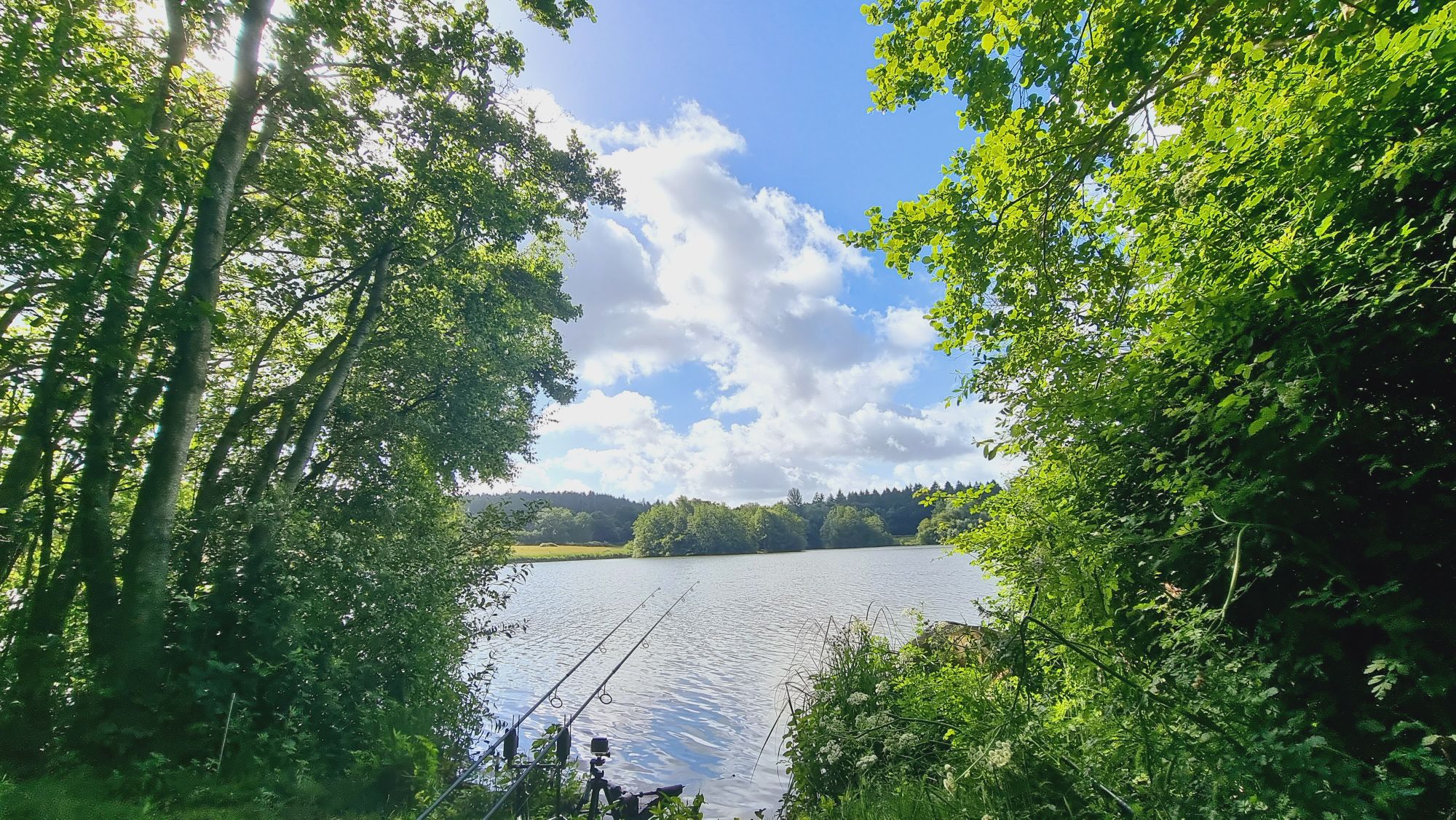
Fishing for Relaxation vs. Fishing for Results
Over the years, I’ve found that my motivation plays a massive role in how I approach my fishing. There are days when I’m laser-focused, doing everything in my power to track down the fish and get a bite. On other days, I just want to unwind, enjoy the fresh air, and take a step back from the fast-paced world.
Neither approach is wrong. In fact, I think it’s healthy to recognise when you’re fishing for results and when you’re fishing for relaxation. The key is making sure that the latter doesn’t become the norm.
The “Car Park Swim” is the perfect example of this in most lakes. Ten years ago, these spots were considered the lazy angler’s choice, avoided by most serious fishermen. But something interesting has happened. After being ignored for so long, these once-overlooked swims have become some of the best on the lake.
I learned this lesson firsthand on one particular venue. For years, I avoided a certain swim because it just didn’t appeal to me. But one day, I had no other option. I’d seen fish in the area, the conditions felt right, and I decided to give it a go. To my surprise, that swim went on to produce some absolutely stunning fish for me. It was a wake-up call—a reminder that old assumptions about “bad” swims aren’t always true.
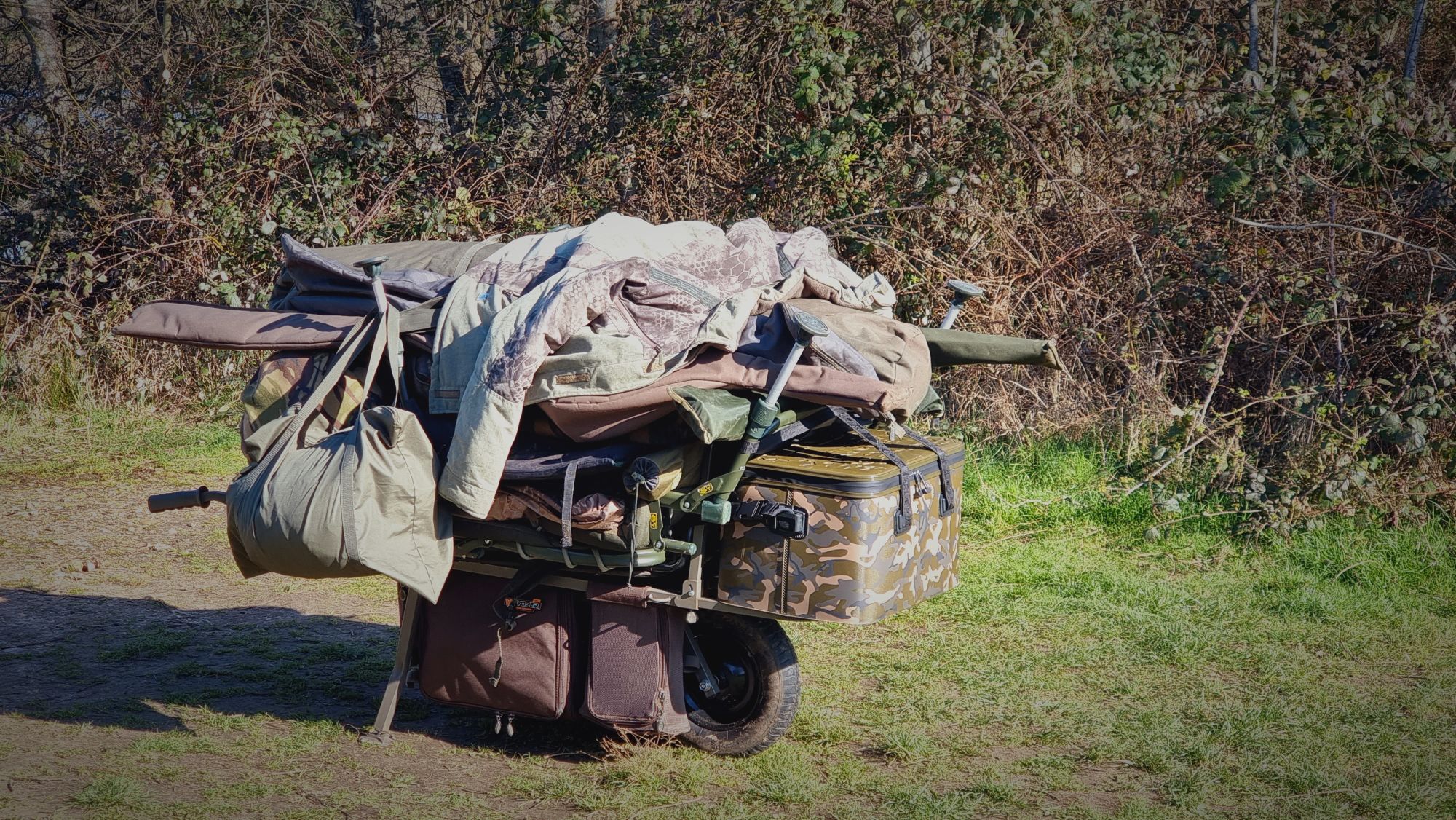
Sticking to a Swim: When Confidence Becomes a Trap
Even when my fishing is going well, I often find myself gravitating toward the same spots, especially my favourite margin swims. If you’ve followed my fishing journey, you’ll know that this approach hasn’t served me particularly well this year.
The other day, as I sat in my usual swim, I started asking myself the big question: “Why am I fishing this swim again?”
I believe this spot offers me the best chance of banking a big lump. Over the past couple of years, my biggest fish from this venue was a solid 34-pounder, and the swim just feels right. It’s perfectly tucked away, hidden behind a wall of bushes, which allows me to fish stealthily.
My approach here is simple but effective. I drop my bait just beyond the beech leaves and sit back, knowing I have a high-percentage chance of a take. There’s also plenty of space to play the fish once I’ve got it under control, unlike other nearby swims, which are either too cramped or too exposed.
A while back, I tested my theory by moving around with a single rod during quick sessions. It became clear that the fish were moving up and down this stretch of bank regularly. Because my chosen swim is roughly in the middle of this bank, I figured they would inevitably pass through at some point.
I also used to worry about the disturbance caused by landing a fish in this area. Would a hooked carp spook the others nearby? Over time, I realized that a carp 20 or 30 yards down the bank would be completely unaware of what was happening. Once I fully understood this, my catch rate increased, and I had several sessions where I banked two carp within my usual four-hour window.
But this year has been different. So far, I’ve only had one fish from this swim, despite still seeing them move along the bank. It’s a frustrating situation.
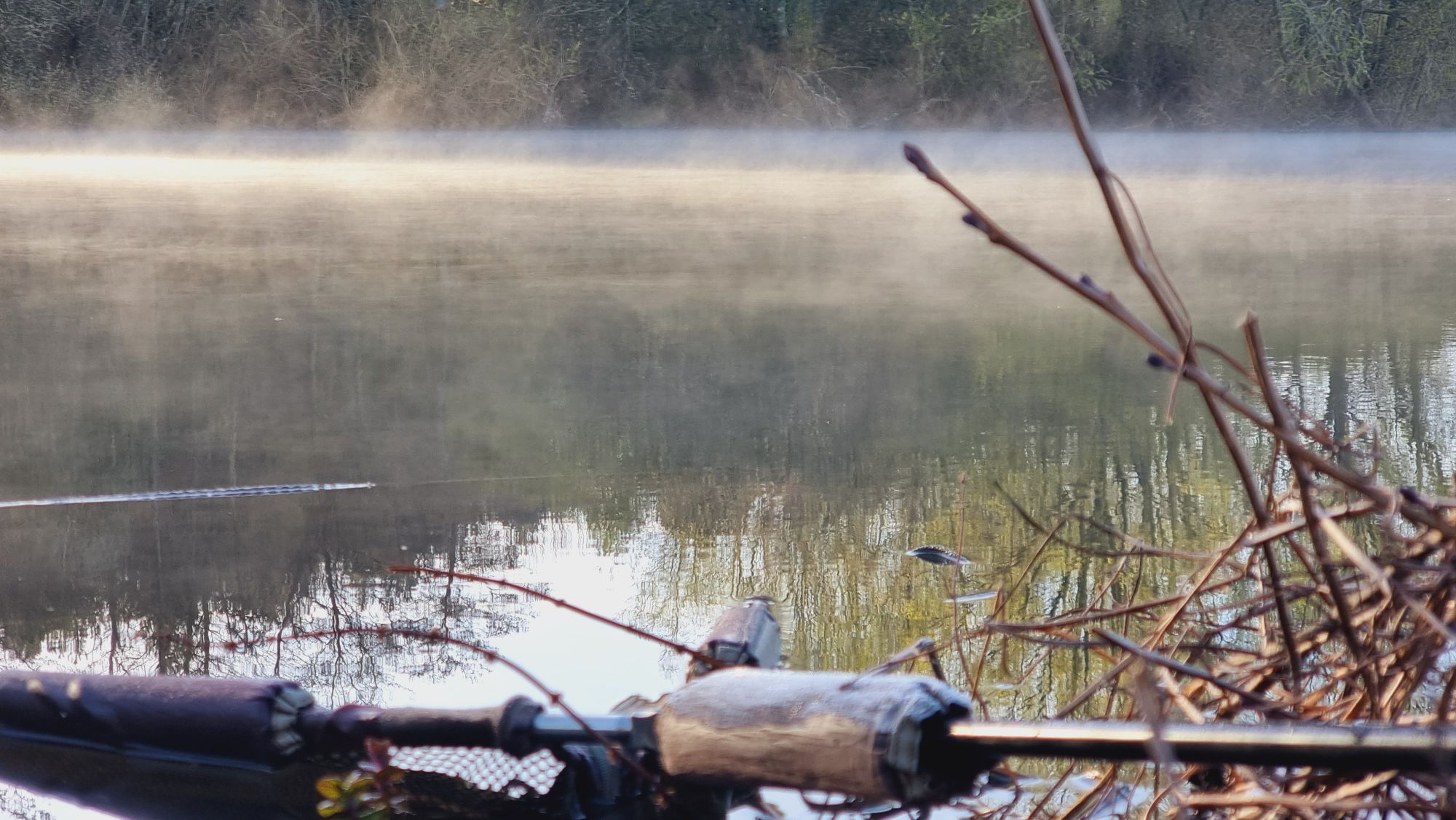
Recognising When It’s Time to Move On
So, what’s changed? The fish are still there, but I’m not catching them. That’s the dilemma I’m currently facing, and after much thought, I’ve decided that it’s time to move on.
This is one of those hard lessons that fishing teaches you. Just because something has worked in the past doesn’t mean it will always work in the future. Conditions change, fish behaviour evolves, and sometimes, you need to shake things up to get back on track.
I’ve realised that sticking to a swim out of habit can become a trap. Confidence is a great thing in fishing, but blind confidence can hold you back. If you’re stubbornly fishing the same spot without results, it might be time to step back and reassess.

Breaking the Cycle and Exploring New Opportunities
Making the decision to move on from a swim isn’t easy, especially when you have history there. But I’ve come to understand that every blank session is a chance to learn. If you’re not catching, it’s usually for a reason, and figuring out what that reason is can make you a better angler in the long run.
This year, I plan to explore more of the lake and see if I can unlock new opportunities. I know the fish are still using the margins, but perhaps they’re feeding differently or favouring a slightly different area. By stepping outside my comfort zone, I hope to crack the puzzle and get back to catching consistently.
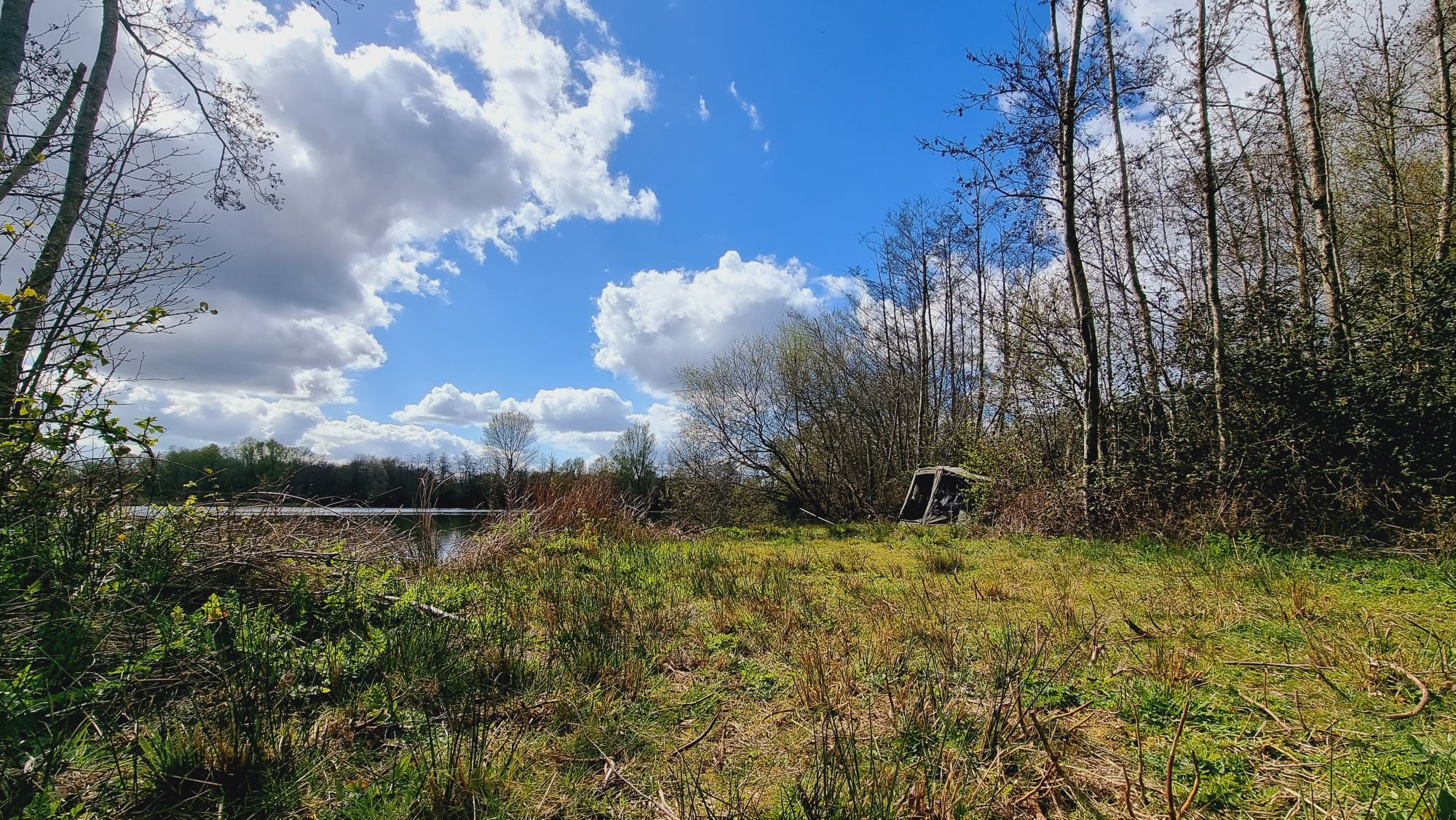
Final Thoughts: The Balance Between Consistency and Adaptation
Fishing is all about finding the right balance between consistency and adaptation. On one hand, confidence in a swim and a reliable approach can lead to great results. On the other hand, stubbornly sticking to the same routine when it’s not working can be detrimental.
For me, this season is about making smarter decisions and staying open to change. If a swim stops producing, I need to have the discipline to move on. At the same time, I’ll continue to trust my instincts and fish with confidence in the areas that feel right.
So, if you find yourself repeatedly fishing the same swim with diminishing returns, ask yourself the big question: “Why am I fishing here again?” Sometimes, the answer will justify staying put. Other times, it will be the push you need to try something new.
Hope this helps.
Richard



Get 10% off Deeper with Code – RICHARD10







 UK Carp & Coarse Fishing