The Ever-Changing Nature of Carp Fishing: Why You Must Keep Adapting
If anyone ever tells you they have fully mastered a lake, they’re lying. Fishing conditions can change in the blink of an eye, and just when you think you’ve got things figured out, the lake throws you a curveball.
One of the biggest mistakes an angler can make is believing they’ve cracked their venue and then sitting back, expecting continued success without further effort. Many anglers get into a comfortable rhythm, assuming that the tactics that worked yesterday will work today and tomorrow. But fishing is a constant learning process.
Carp are highly adaptive creatures, far more in tune with their environment than we could ever hope to be. The moment you stop adapting, you begin falling behind. Too many anglers blame external factors—the weather, other anglers, or the supposed decline of the lake—when their lack of success is often due to their own complacency.
To consistently catch, you must work hard and keep thinking one step ahead of the carp. That means staying observant, adjusting your tactics, and never assuming that past success guarantees future results. One of the worst things you can do is compare yourself to other anglers. Doing so will only lead to frustration and burnout. Instead, focus on refining your own approach and learning from your own experiences.
Carp Are Smarter Than We Think
Carp are living, thinking creatures, and they evolve alongside their environment. Their survival instincts are far sharper than ours, and they have an uncanny ability to detect patterns and threats.
Think about the way human behaviour has been exposed in recent years. The mess left behind on beaches and in parks after lockdowns ended was a perfect example of how disconnected many people have become from nature. Carp, on the other hand, remain finely attuned to their surroundings. They sense danger, learn from their experiences, and adapt their habits accordingly.
Lakes themselves also evolve with the changing seasons and shifting climate conditions. Weather patterns, water quality, angling pressure, and the natural food chain all influence how carp behave. If you keep fishing the same old spots with the same tactics week after week, don’t be surprised when the carp wise up and start avoiding your baited areas.
Carp don’t need a signpost telling them where to feed. They do as they please, moving in response to natural food availability, pressure from anglers, and environmental factors. They are also highly sensitive to what they eat.
Some carp appear to accept that eating boilies means they’ll get caught and released, so they carry on feeding regardless. Others, however, learn from the experience and become extremely cautious, making them much harder to catch. This is why overlooked or “dead” swims—spots that most anglers ignore—can often produce some of the best results.
The Myth of the “Hot Swim”
Every lake has its so-called “hot swim,” the one that consistently produces fish. But is it really the best swim on the lake, or is it simply the most frequently fished? The law of averages suggests that a heavily fished swim will produce more fish, but that doesn’t necessarily mean it’s the best location.
Some of the most productive spots are the ones that rarely see an angler’s bait. The quiet, overgrown corners that have been ignored for years often hold some of the biggest and most cautious fish. Whenever I start fishing a new lake, these spots are always my first port of call.
Carp like security, and they gravitate toward areas where they feel safe. If a swim is constantly being hammered by anglers, the fish will wise up. On the other hand, a neglected swim can provide them with the perfect sanctuary.
The Influence of Weather and Pressure Changes
Many anglers pay attention to changes in weather, particularly air pressure, but I think one key factor is often overlooked—consistency.
Carp can adapt to a stable environment, just as we do. If you move to a country with extreme heat or cold, the initial adjustment can be uncomfortable, but eventually, your body acclimatises. The same principle applies to carp. If the weather remains stable—whether it’s high pressure or low pressure—they will adjust and continue their usual feeding patterns.
It’s the sudden swings in pressure that can throw them off. A rapidly rising or falling barometer can disrupt their feeding habits, making it much harder to get a bite. Understanding these nuances can give you an edge over other anglers who only look at the basic weather forecast.
Angling Pressure: The Invisible Factor
Unless you’re on the bank every single day, you can never truly know what’s been happening at the lake since your last visit. How many anglers have fished there? How much bait has gone in? How many bites have actually been missed or lost?
Many anglers only focus on the number of fish landed, but this can be misleading. If a swim has produced two landed fish but also four lost ones, that tells you something important—it’s a productive area, and the fish are feeding aggressively. If you only look at the landed fish, you might assume the swim is slow when in reality, it’s been full of action.
The Impact of Water Temperature
Water temperature plays a huge role in carp behaviour, and I’ve seen firsthand how it can affect an entire lake. A few years ago, we had several long, intense heat waves, and I believe they had a lasting impact on the fish in the shallow areas of my venue.
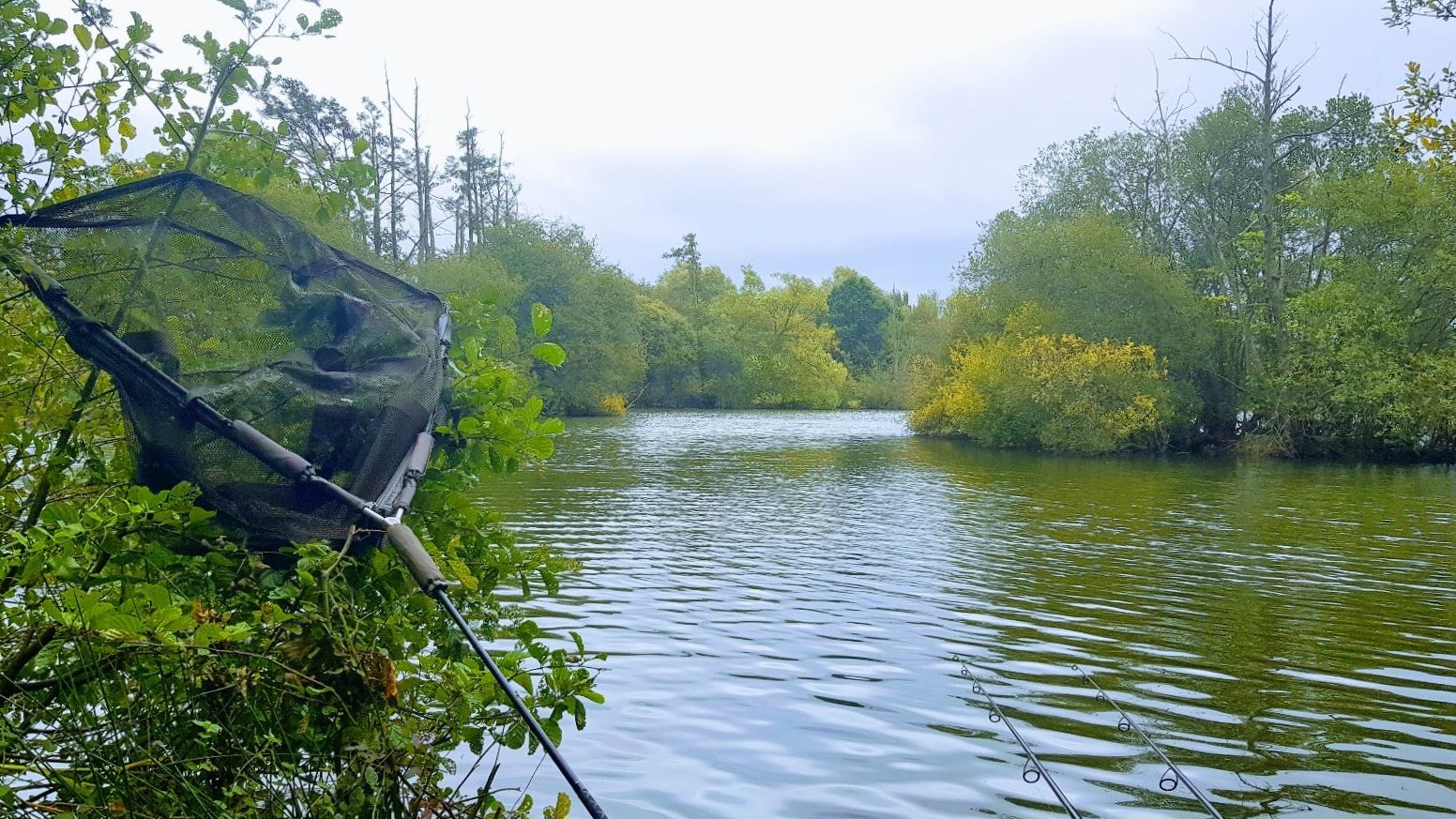
The shallower part of the lake, which covers about 30 acres with an average depth of just three feet, became almost unbearable for the carp during the extreme heat. Many of them retreated to the margins under overhanging trees, seeking cooler water and shade.
I don’t believe they fully recovered from those heat waves until the following winter. Their feeding habits had changed, and it took them a long time to return to normal.
Deeper lakes are a different story. At a certain depth, the water temperature remains relatively stable, allowing the carp to avoid the dramatic fluctuations experienced in shallower venues. For this reason, deep-water carp may behave differently from their shallow-water counterparts.
The Role of Natural Food Sources
Many anglers focus purely on bait—how much they’re putting in and where. But a far more important question is: what’s happening with the lake’s natural food sources?
Understanding a lake’s ecosystem is critical. How abundant are the bloodworm beds? What’s the crayfish population like? How rich are the weed beds in natural food?
Unlike baiting strategies, which you can control, natural food sources are harder to assess. Unless you take the time to investigate—either by wading out, leading around, or gathering information from other anglers—you’re often just guessing.
Sanctuary Areas: A Blessing and a Curse
Sanctuary areas are vital for carp welfare, giving them a place to escape pressure and rest. However, if a lake has too many of these safe zones, it can create a problem.
Carp will naturally spend most of their time where they feel safest, and if they have plenty of sanctuary areas, they may rarely leave them. Many lakes place popular swims right next to these sanctuaries, hoping to make the exit points productive. But if the carp feel too secure, they may never need to leave, making them incredibly difficult to catch.
Water Levels and Hidden Havens
Fluctuating water levels can completely change a lake’s dynamics. Low water levels expose new snags and safe zones, while high levels can give the carp access to previously unreachable areas.
Many anglers are surprised by how little water a big carp actually needs. A 30-pounder can comfortably sit in just a few inches of water, meaning that even the most unlikely-looking spots can hold fish.
Final Thoughts: Keep Learning and Keep Adapting
If this article has added to your concerns about catching carp, don’t let it overwhelm you. The goal is to inspire thought and encourage you to break free from rigid routines.
The key to consistent success in carp fishing is adaptation. Small tweaks—rather than massive overhauls—can make all the difference. Keep an open mind, observe the lake carefully, and don’t be afraid to try something new.
Above all, remember why you started fishing in the first place. It’s not just about catching; it’s about enjoying the experience, unwinding, and appreciating the natural world.
Until next time,
Richard


Get 10% off Deeper with Code – RICHARD10







 UK Carp & Coarse Fishing