
Carp Welfare and Being Prepared
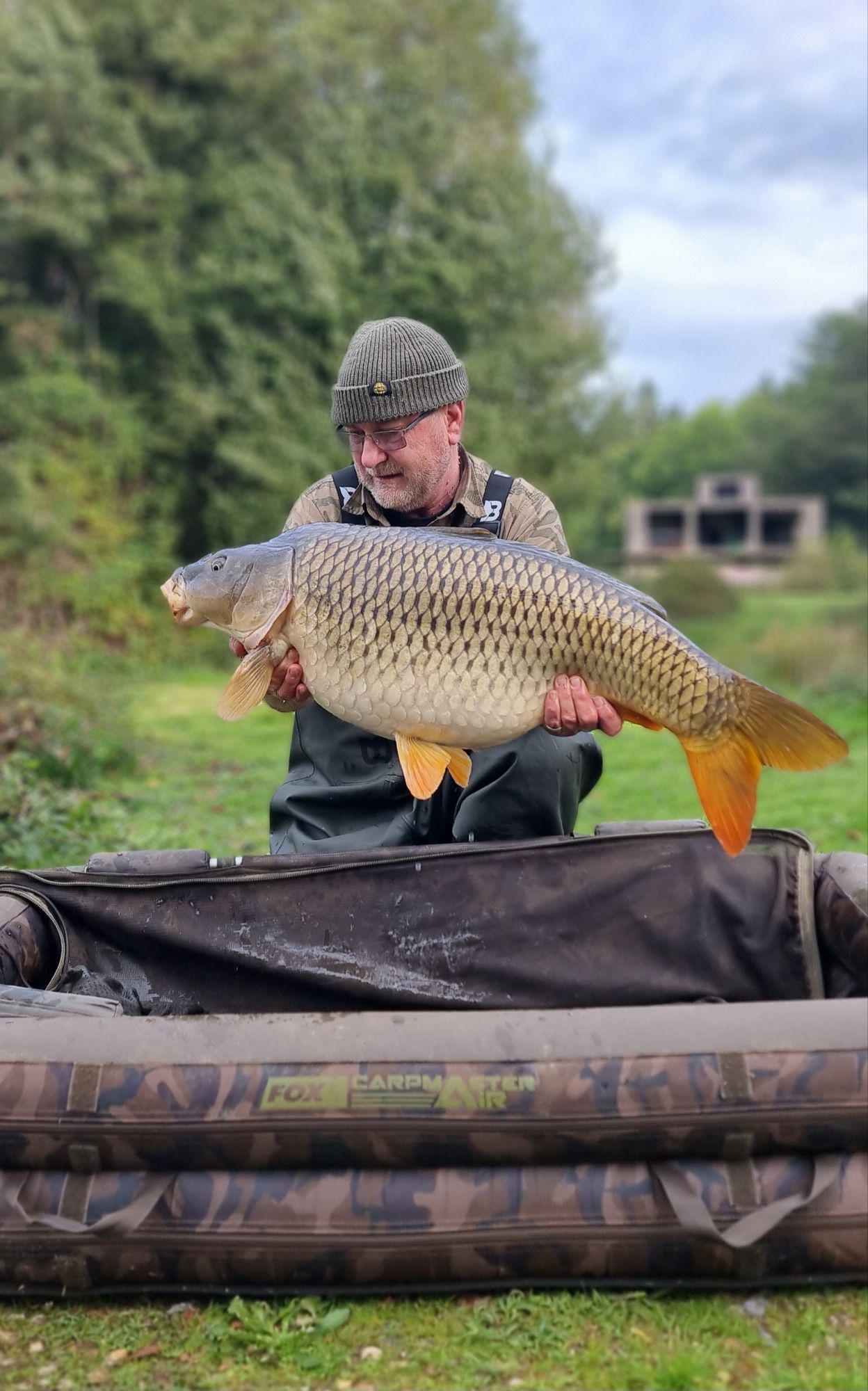
I’m not here to tell you what brand of gear to buy or that you must have the latest camera setup. This isn’t about fancy equipment—it’s about carp welfare and making the whole process of weighing, photographing, and returning fish as quick, smooth, and safe as possible. By being organised and simplifying what you do on the bank, you not only make your life easier but also reduce stress on the fish.
I’ll admit, I’ve got a few pet hates when it comes to how some anglers handle their captures. My biggest frustration is the lack of preparation and organisation. Personally, I like to have everything ready to go before I even cast a rod out. Yes, it’s common practice these days to retain a fish in the net while you sort your gear out, but I’ve always believed that carp should be returned to the water as soon as possible—not kept in a retainer or net for hours just so someone can wait for the perfect morning light or call a mate over for a brew and a photo.
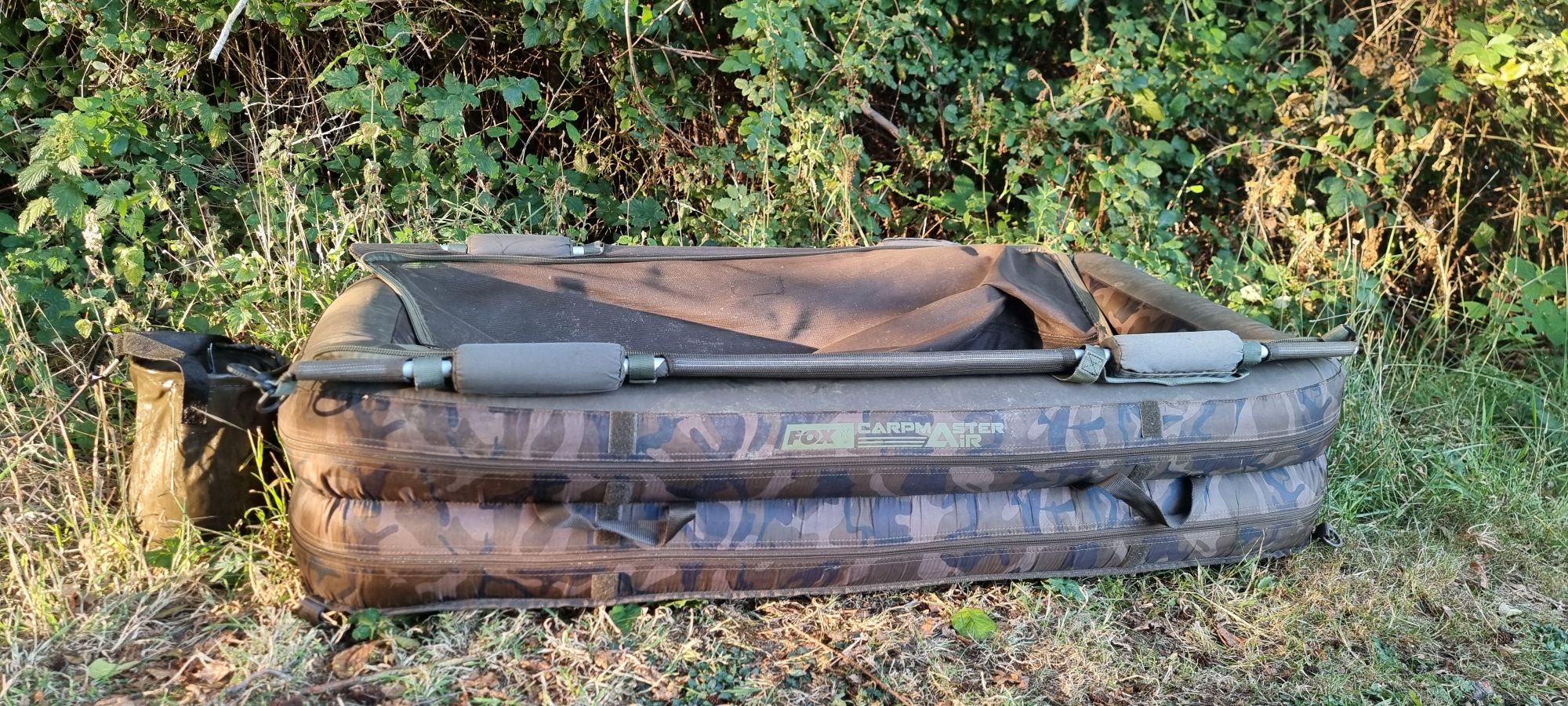
At the end of the day, we all want to see these carp live long, healthy lives and grow to their full potential. I completely understand wanting that memorable photo or short video—just like I do. One day, when we’re no longer able to get out on the bank, those photos and clips will mean the world to us. But we owe it to the fish to make the process as quick and stress-free as possible.
Organisation Is Key
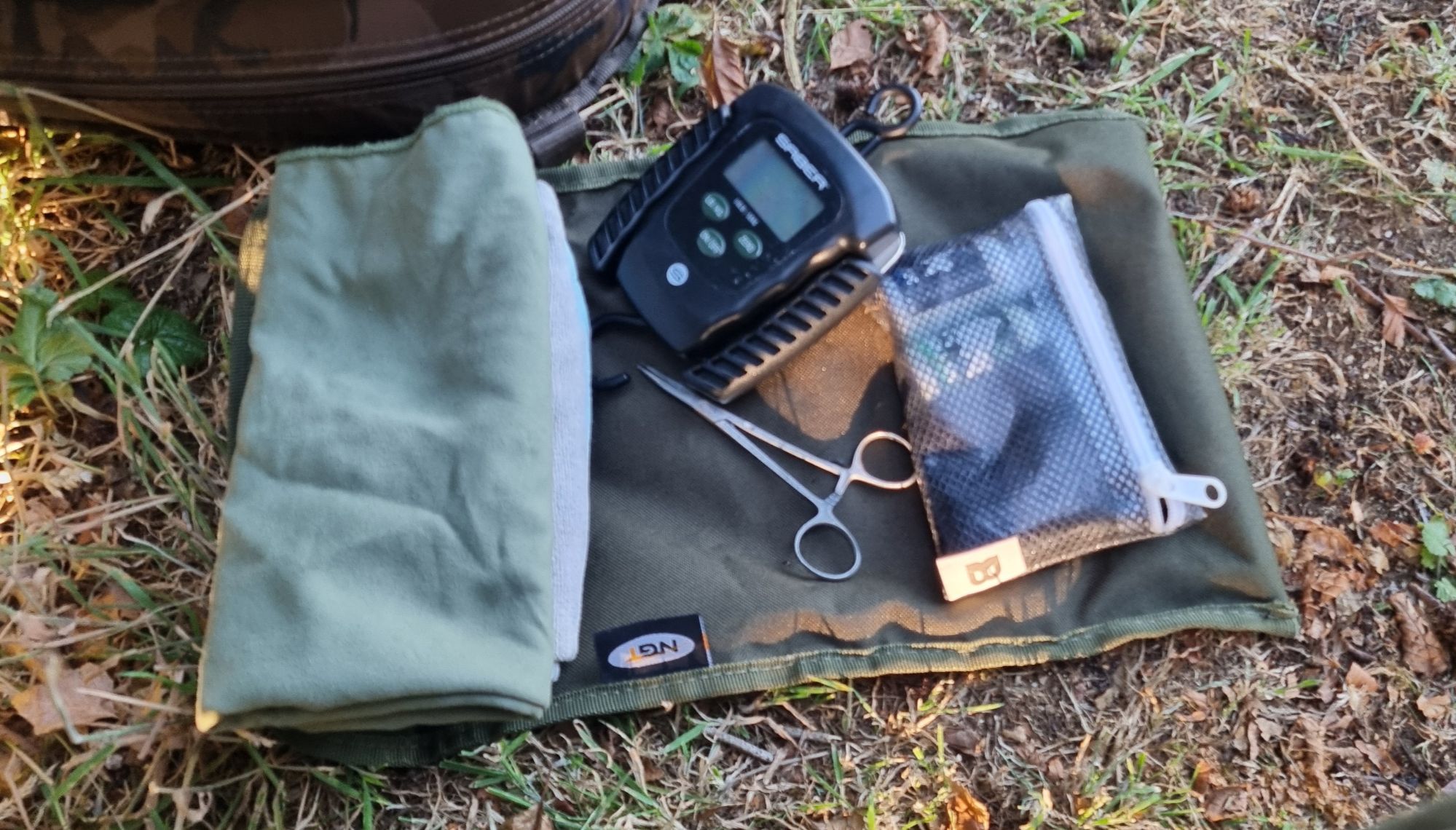
The best way to do that is by being prepared. I always have my kit set up and ready to go before I even think about winding in. That includes:
-
Unhooking mat laid out and dampened
-
Weigh sling and tripod assembled
-
Bucket of water within arm’s reach
-
Camera tripod, phone or camera, and microphone ready
-
Scales, forceps, and carp care kit to hand
I even keep two landing nets set up, one on either side of the swim. It’s not just “in case” — over the years it’s proved useful more than once, and it makes life easier when playing fish from different angles. I’m all about simplicity. After spending years in the shipping industry, constantly refining and simplifying processes to make things quicker and more efficient, that mindset has stuck with me in everything I do—even if it drives my family mad at times!
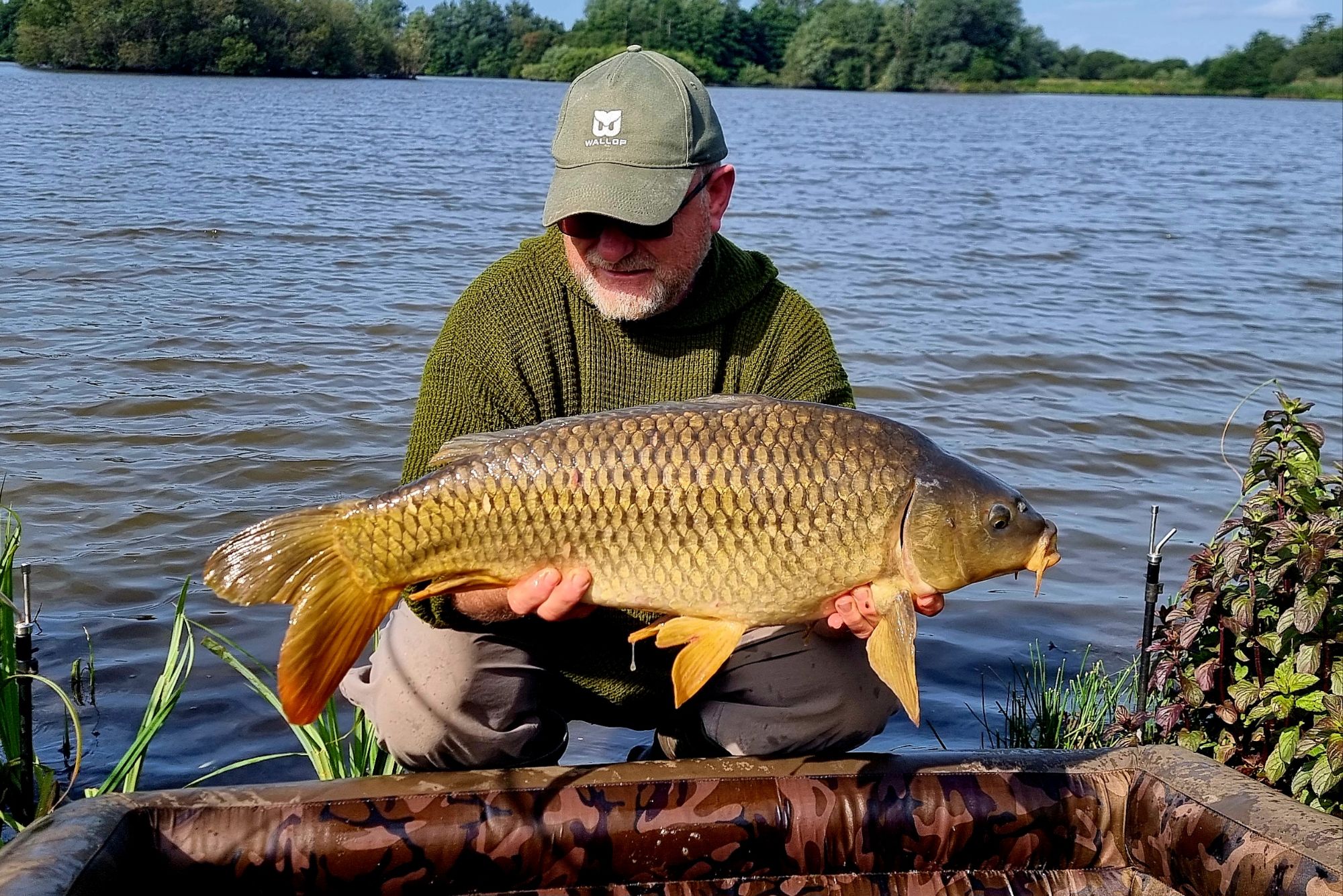
My Capture Process
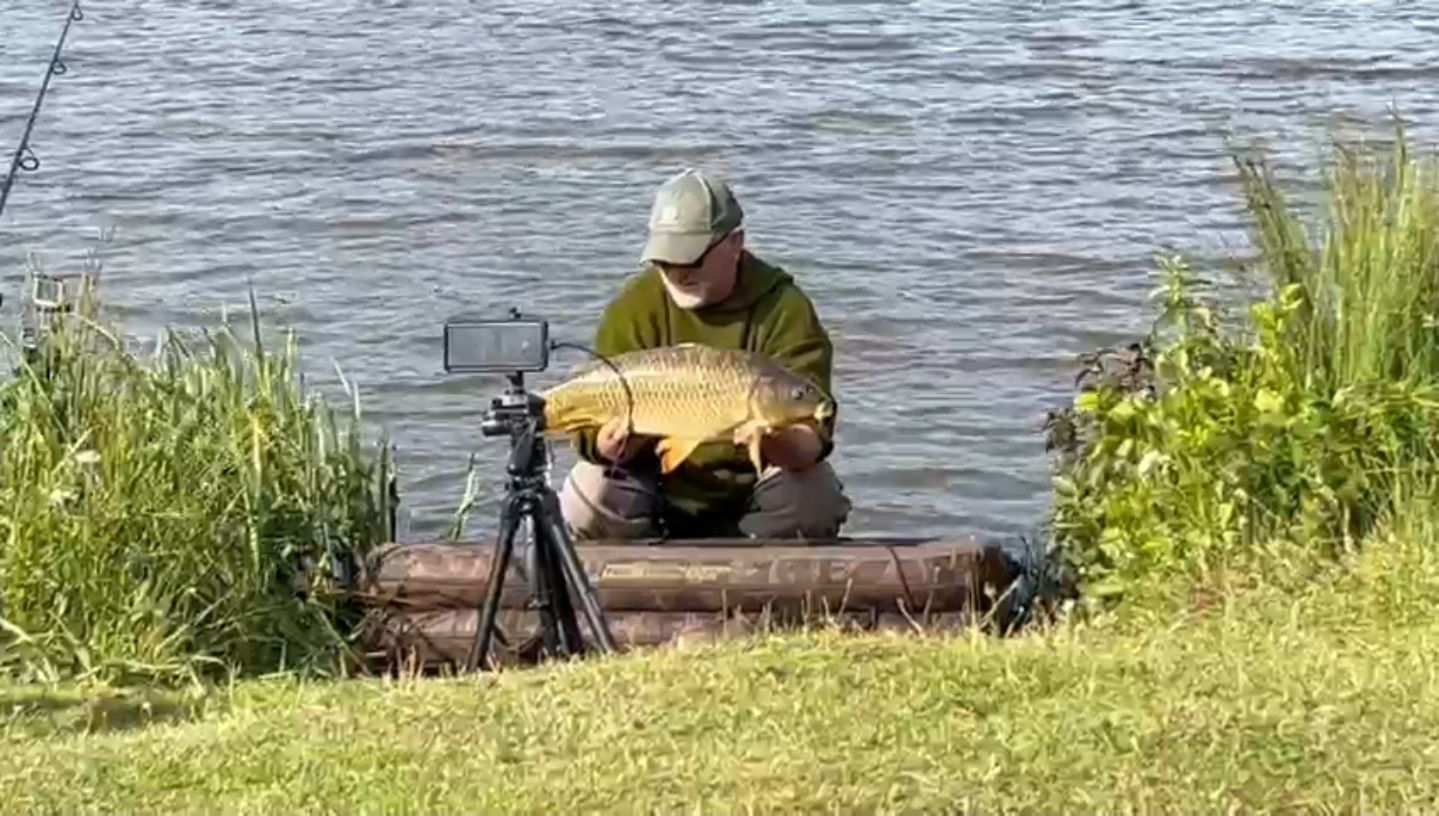
Once I’ve landed a carp, I secure the net safely on my net station and make sure everything else is in position. I always decide on my photo spot beforehand, usually with decent footing and good light.
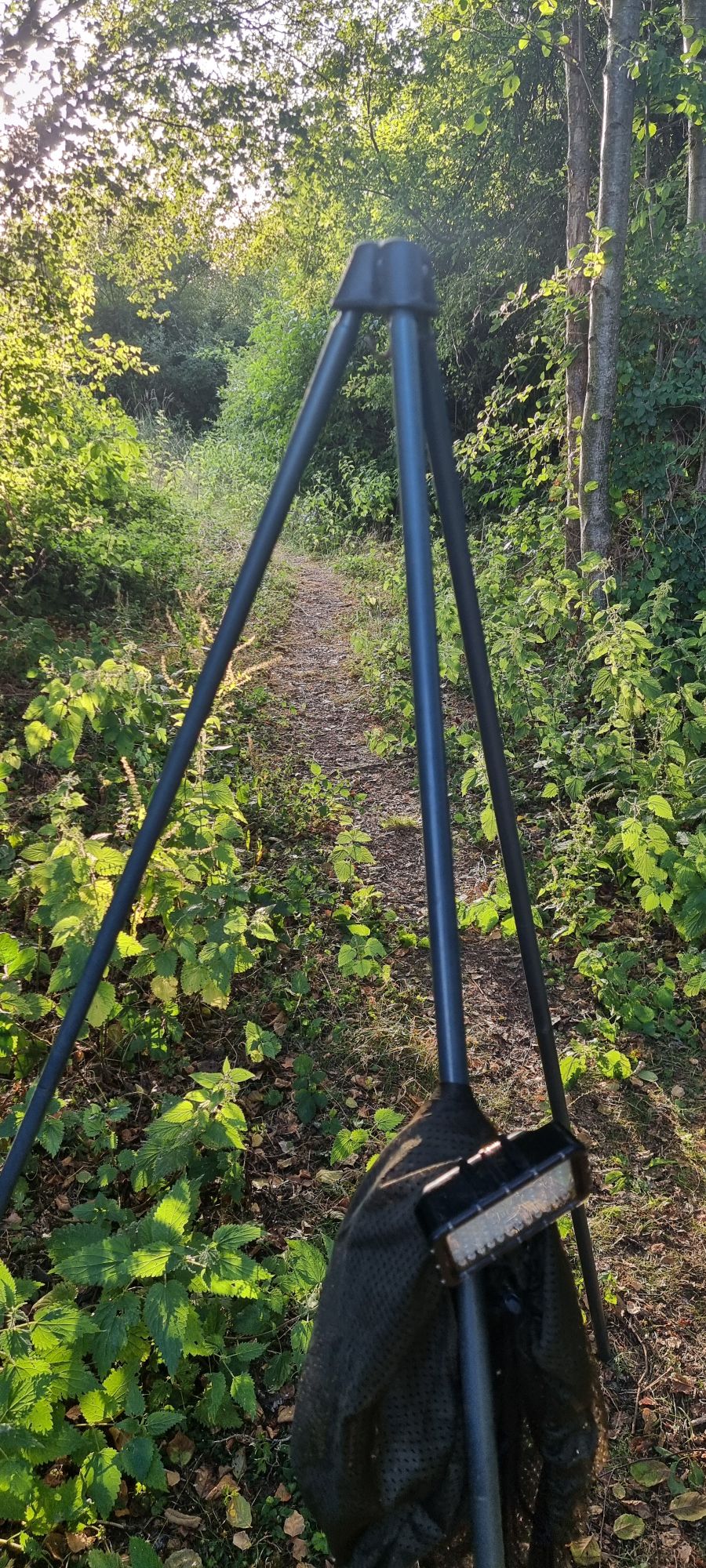
My weighing tripod stands close to the mat, with a small light attached for night sessions. The scales are clipped on, ready to go—kept off the damp ground so they stay dry. The camera tripod is set up and my phone is attached, often with a small clip-on mic that I pin to my waders. Speaking of waders, I always put them on before handling the fish. It keeps my clothes dry and less “fishy,” and they’re always folded beside the bedchair ready to go. (I can’t get them on standing up anymore—must be an age thing!)
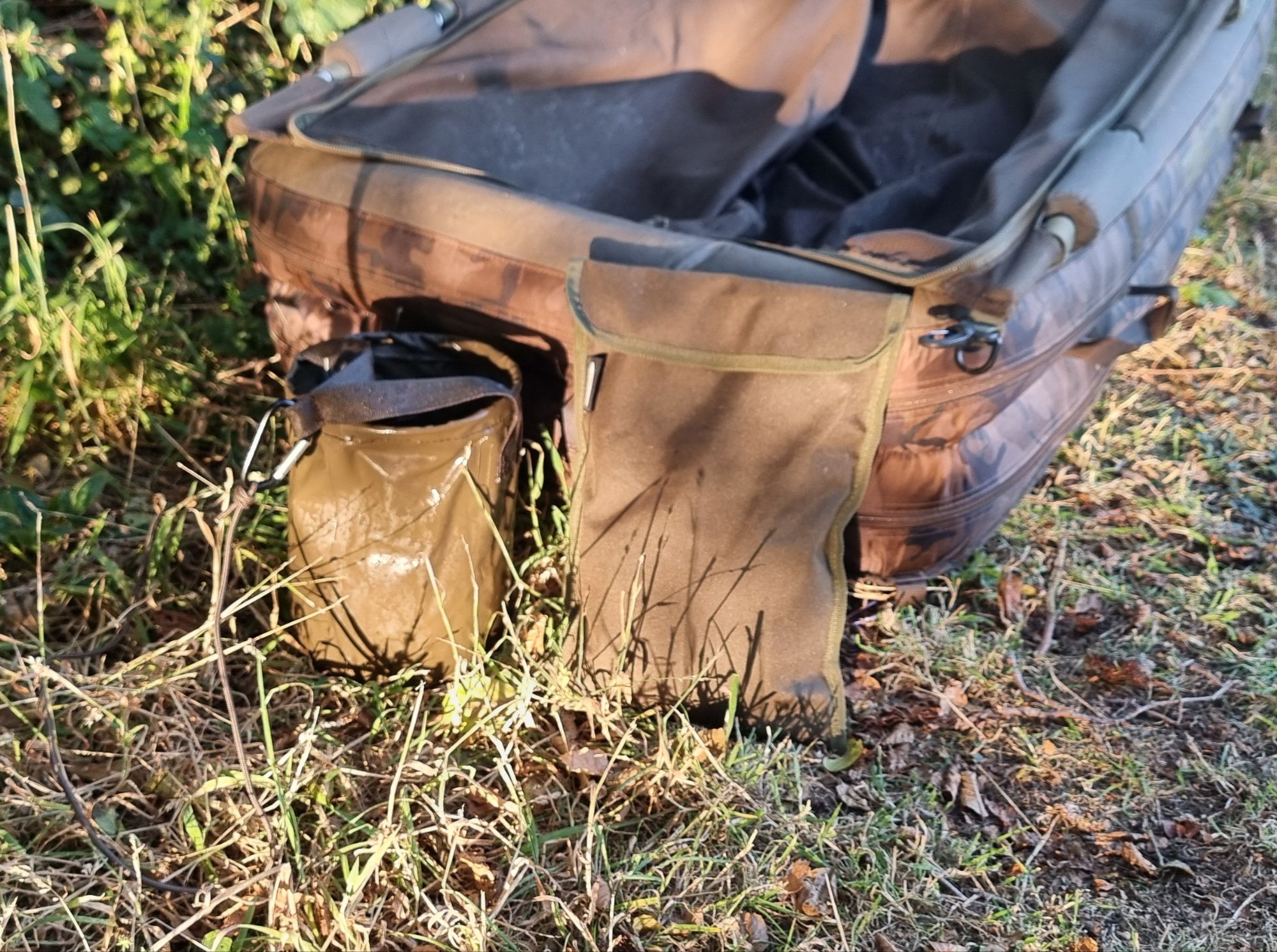
Handling the Fish
I’m not one for unhooking fish in the net anymore. I tried it once and ended up with a hook in my finger—never again! These days, I do it safely on the mat. Depending on the size of the carp, I’ll sometimes slide a retainer sling under the net before lifting. It makes it easier on both me and the fish, especially with the heavier ones.
Once the carp is on the mat, I:
-
Unhook it carefully.
-
Put the rod and rig safely out of the way—usually resting against the bivvy or brolly.
-
Apply carp care liquid to the mouth or any marks.
-
Check my photo framing and camera setup before lifting the fish.
When it’s time to weigh, I zero the sling on the scales, gently place the carp inside, and hang it from the tripod. I use digital scales, which make the process simple and accurate. Just be sure the sling isn’t touching the mat or the ground, as that can throw off the reading. Also, be wary of windy conditions—what we used to call “windy carp”—as gusts can add a few ounces to the reading!
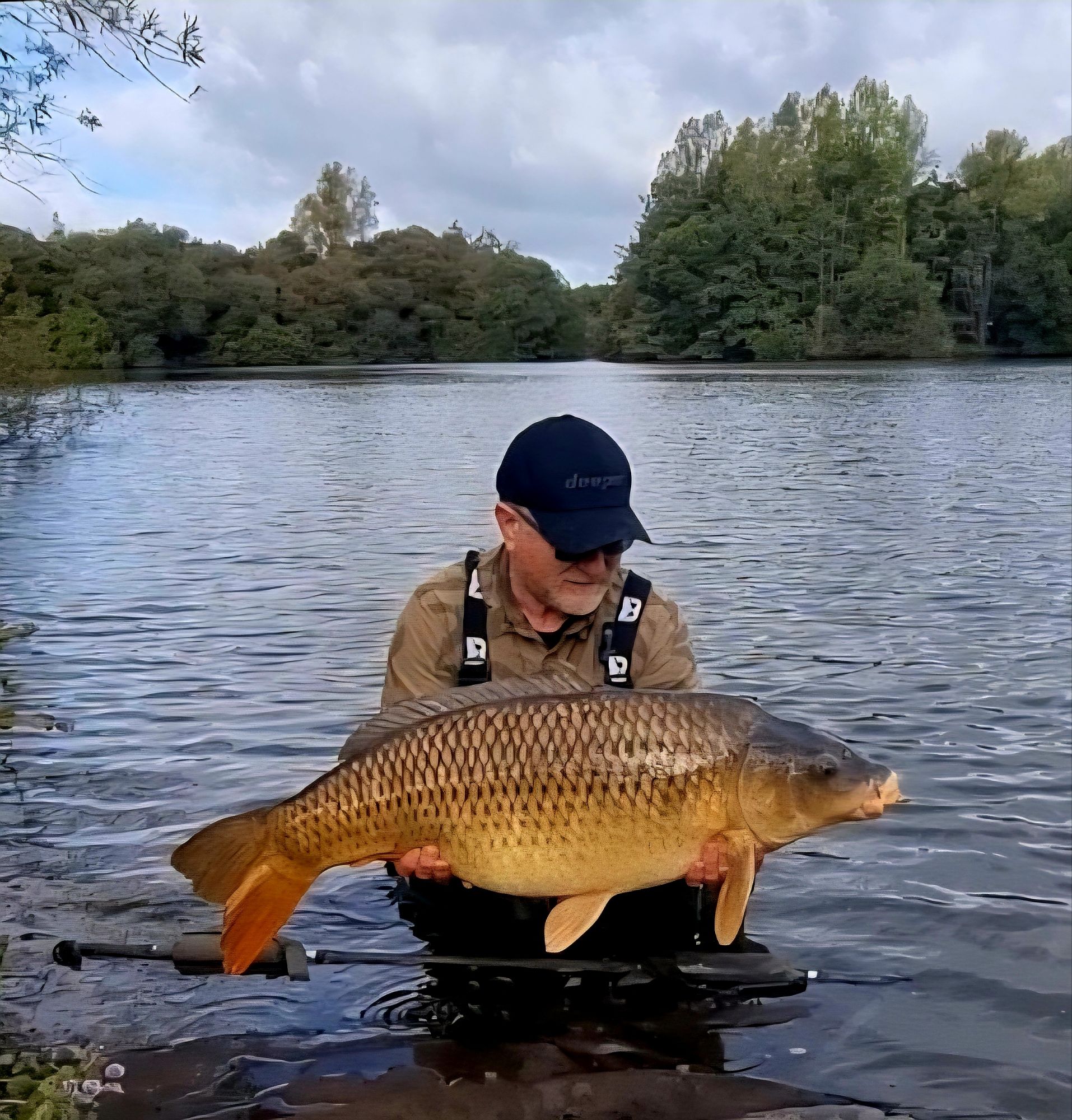
The Return
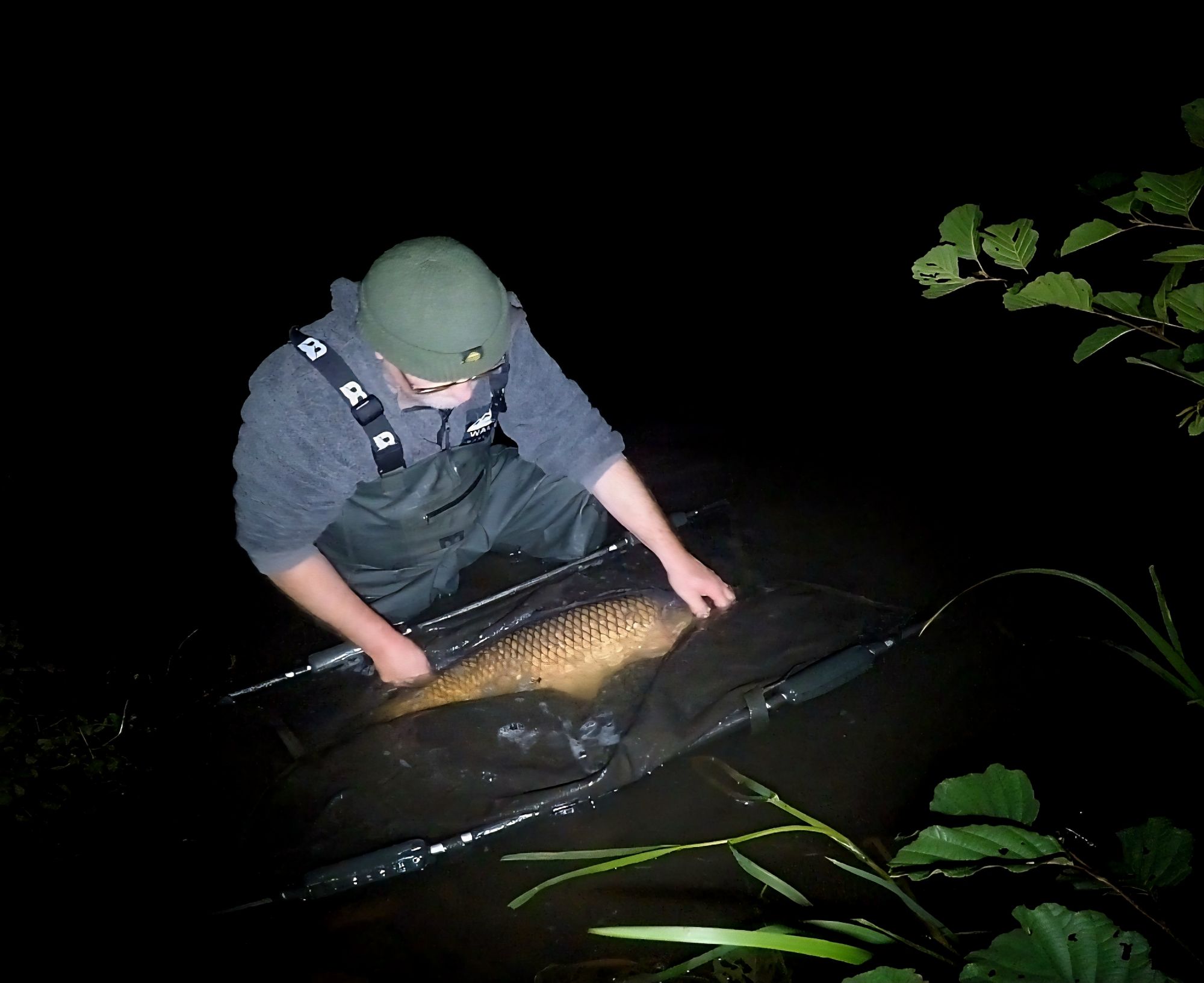
Once the weighing and photos are done, it’s time for the best part—returning the fish. If conditions allow, I’ll sometimes switch on the GoPro and get a short water shot as the carp swims away. It’s a nice touch, but only if it can be done safely and quickly.
This whole process doesn’t take long when everything is laid out and ready. Some fish behave calmly, others have a bit of spirit, but the key is to stay calm and confident. By being organised, you’re not fumbling around searching for gear or wasting time, and you’re doing your best to get the carp back where it belongs with minimal stress.
Final Thoughts
Every angler develops their own way of doing things, and that’s fine. What matters most is respecting the fish and making their welfare a top priority. Good organisation, simple setups, and a bit of forward thinking go a long way toward achieving that.
Hopefully, sharing my routine gives you a few ideas for your own process. If it means one more carp goes back safely and swims off strong, then it’s time well spent.
Richard





 UK Carp & Coarse Fishing