
Testing the Blank Saver Range: A Week of Unexpected Turns
Fishing trips rarely go exactly as planned, and this one was no exception. What started as a straightforward plan to get some quality time on the lake quickly morphed into an adventure full of twists and turns. At one point, I even considered packing up entirely. But then I realized that would be a waste of an opportunity, so I decided to stick with it—and I’m glad I did. It turned into the perfect chance to test the new Nutrabaits Blank Saver range, with results that were both surprising and enlightening.

The Set-Up
I arrived at my club lake around 11:30am, and to my delight, the lake was completely empty. It was the perfect time to get set up, but as always, the first decision was where to fish. Typically, I’m drawn to the dam end, particularly because of the thick lily pads there. However, this time I knew it was important to venture out and try a new swim to better understand the lake. So far, I’d only fished seven of the twenty available swims, and with so many options, it was time to step out of my comfort zone.
The water was surprisingly clear, which posed a challenge. Clear water often brings increased activity from wildlife, particularly swans and mallards, both are a nuisance. I knew that deeper water would be beneficial in keeping the wildlife at bay, and I hoped that the carp would find the bait I put out regardless of the disturbance from the ducks. There were only about ten ducks on the water, and after the weekend anglers, I hoped there would be enough boilies left for the carp.
The Approach
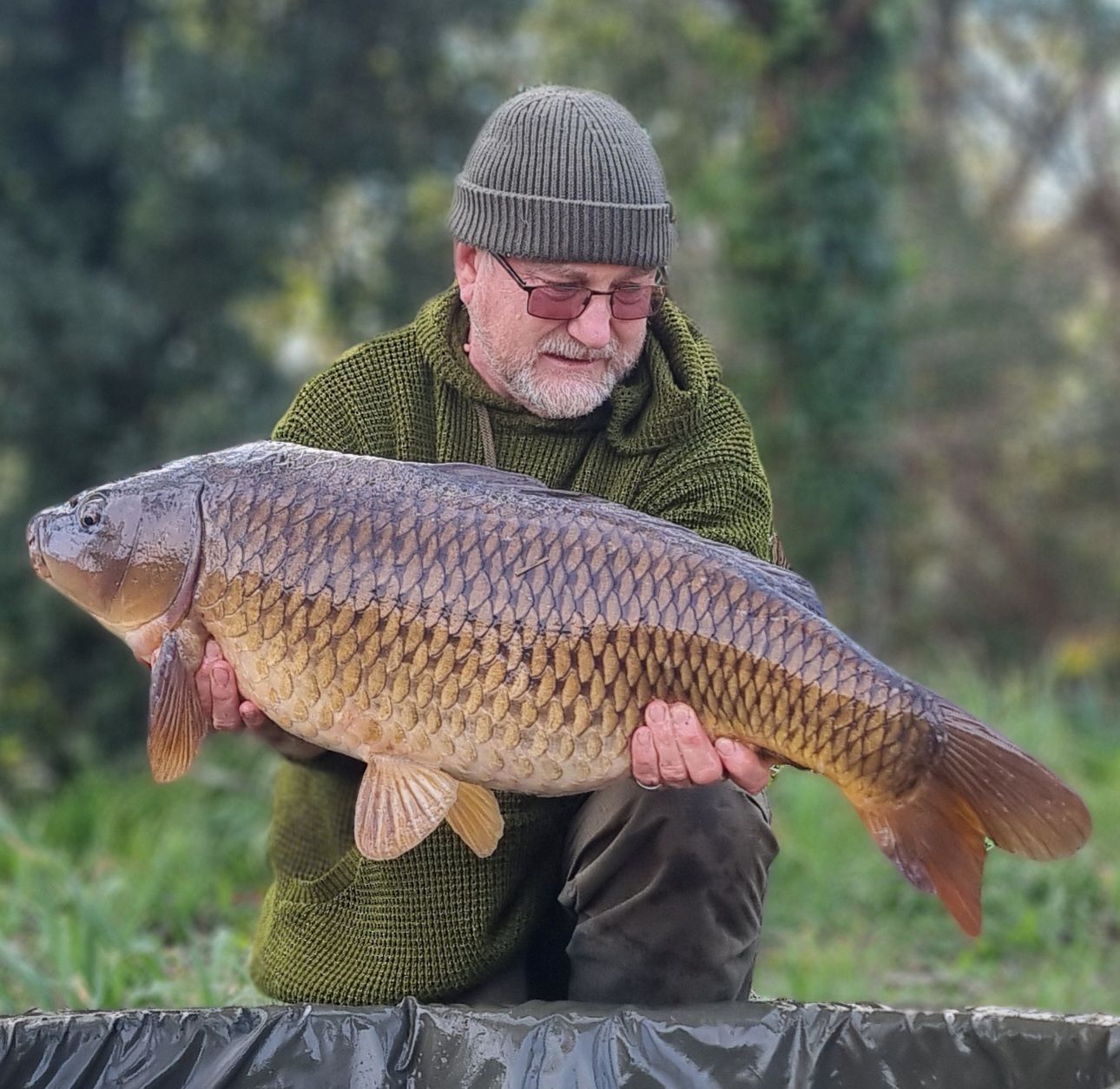
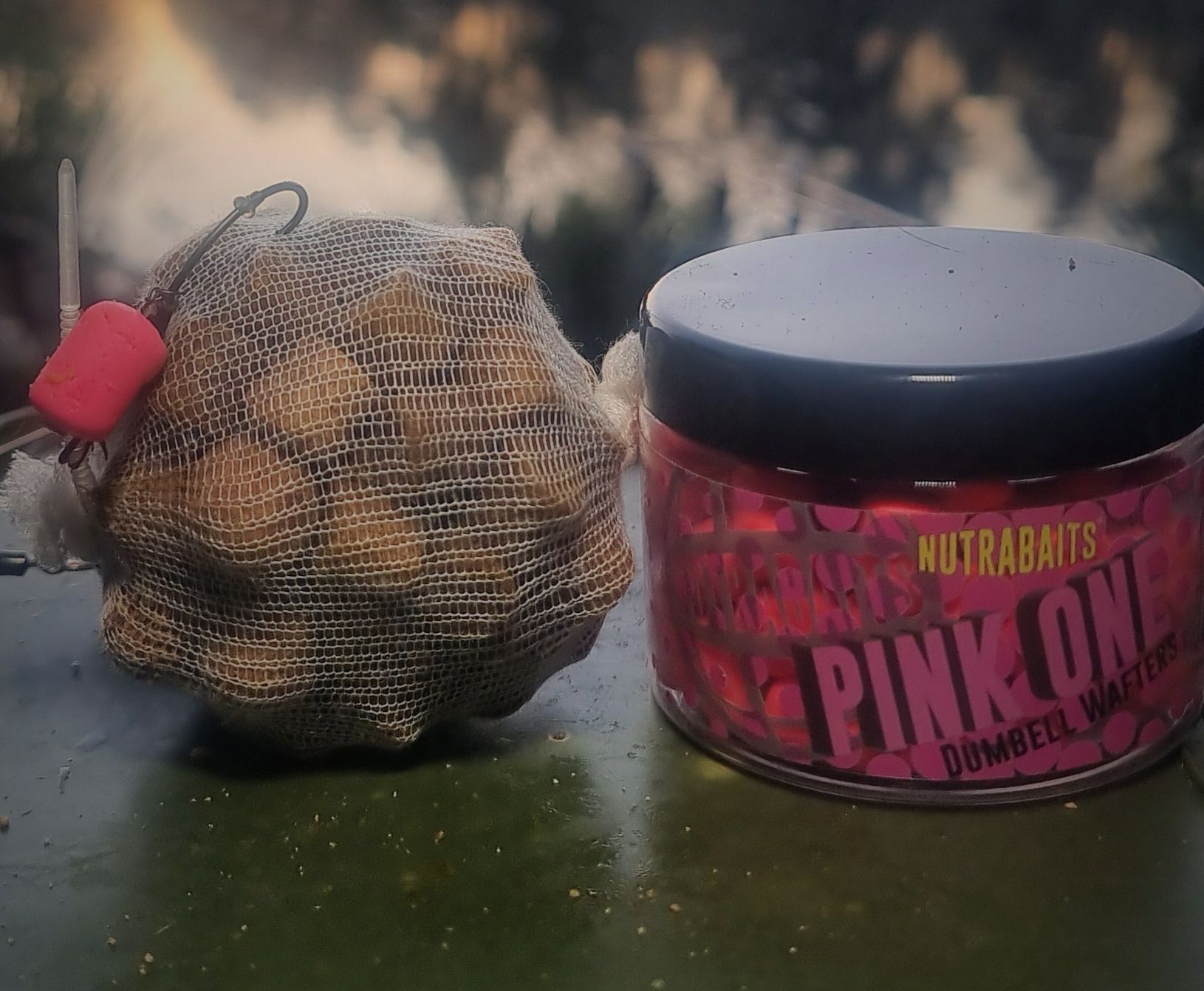
For baiting, I opted for small Castaway PVA mesh bags filled with Nutrabaits pellets soaked in hemp oil. I used a different Blank Saver bait on each of my three rods—perfect for testing. The lake allows three rods, which gave me the ideal setup for this experiment.
Choosing the swim wasn’t easy, but I finally settled on a spot right in the middle of the east bank. The wind was forecasted to blow from that direction, and the area also received the most sunlight throughout the day. The early growth of the new lily pads was another sign that it could be a productive spot. I’d been eyeing this swim for a while—rarely fished and usually undisturbed by other anglers. Despite the lure of the dam wall, I decided to go for it, convinced that the middle area was a hidden gem.
A Sleepless Night
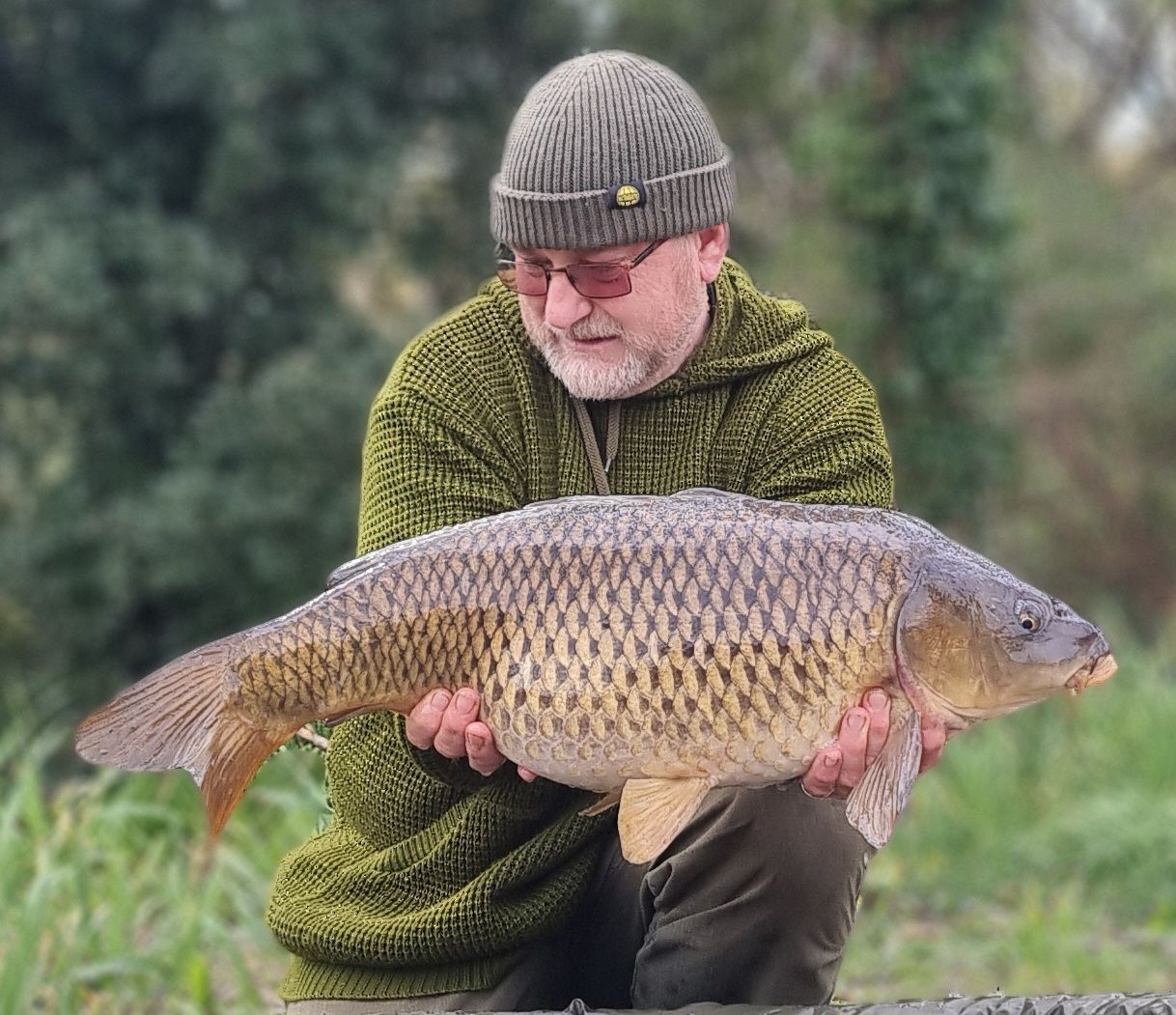
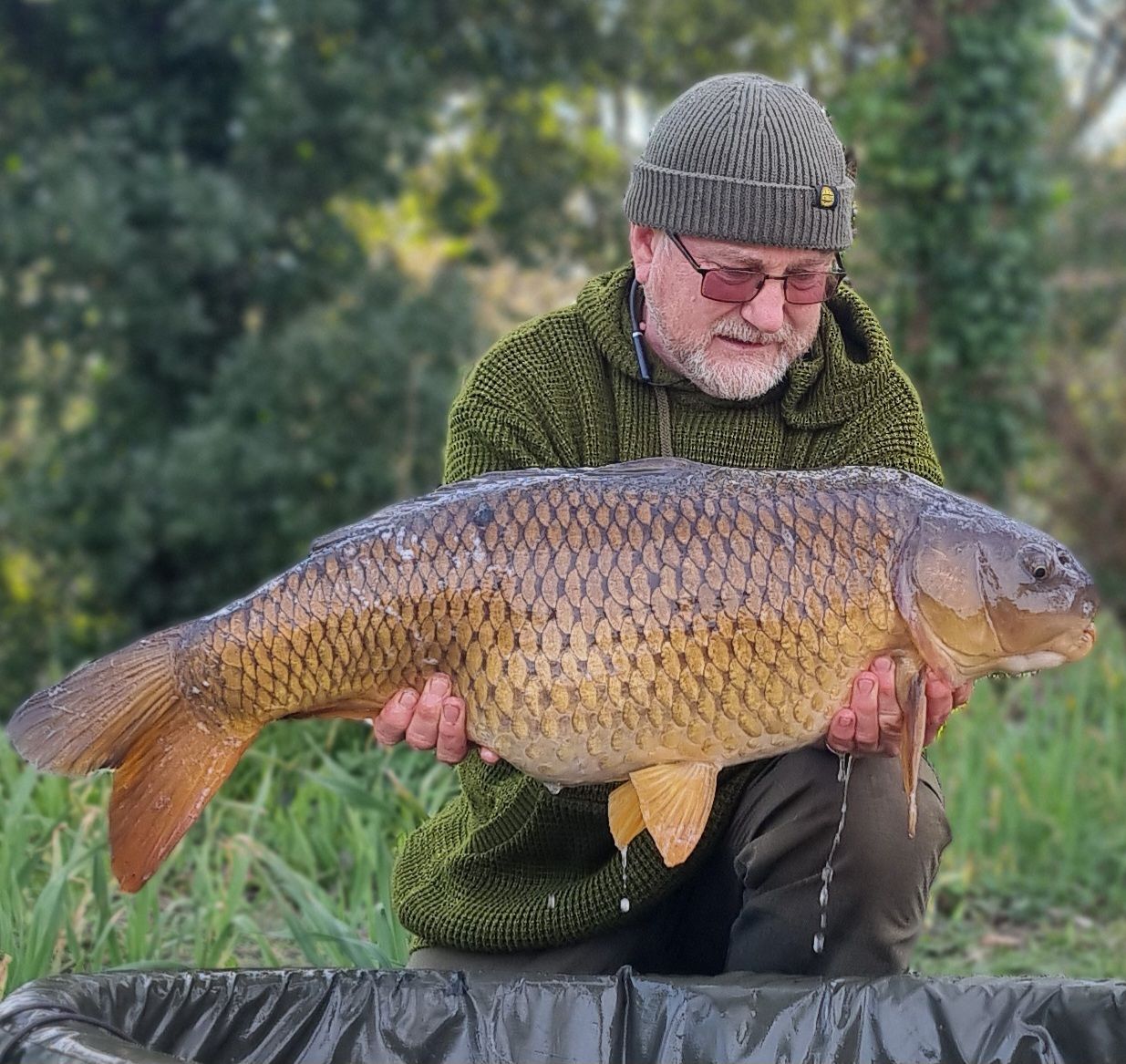
The first night was full of uncertainties. I rebaited my rods at 8:00pm and settled in, but I couldn’t shake the feeling that the dam end might actually be the better option. The next morning, after a few restless hours, my middle rod screamed off around 7:50. It was a nice, mid-double common—a solid fish to start the session. The conditions had been a bit challenging: clear skies, moon overhead, and a drop in temperature overnight—but I was still pleased with the result. The question now was whether to stay in this swim or move to the dam end, where I had seen larger carp showing.
The Move
By 12:30, I couldn’t resist the temptation. Seeing those bigger carp in the pads at the dam wall, I packed up and moved. By 1:30, I was set up in the new swim. The change of scenery was exactly what I needed—the swim was quiet, undisturbed, and far from any other anglers. The longer I spent in this spot, the more I realized that I should have started here in the first place. The peace and seclusion made it the perfect place for a successful session.
My first take in the new swim was on the pink Blank Saver, after a wait of about 7 hours, and I was rewarded with a lovely mirror carp. It was the boost I needed. After a quick tea, I sent the bait boat back out with a medium-sized PVA bag filled with chopped 18mm boilies, pellets, and a sprinkling of Himalayan pink salt—a tactic I’ve been using for years with great success, especially at this time of year.

The Carp’s Changing Preferences
Despite the carp activity through the night, I didn’t get any more takes. I suspected that the fish had moved into deeper, open water, which also explained why the water had started to cloud up. The once-crystal-clear lake was now murky under my rod tips, making it harder to gauge the fish’s movements.
The next day, however, things picked up. By noon, my left-hand rod took off, and I landed another solid carp. This made three fish for the trip, and each one had taken a different Blank Saver bait. I continued to mix things up, experimenting with different colors and approaches.
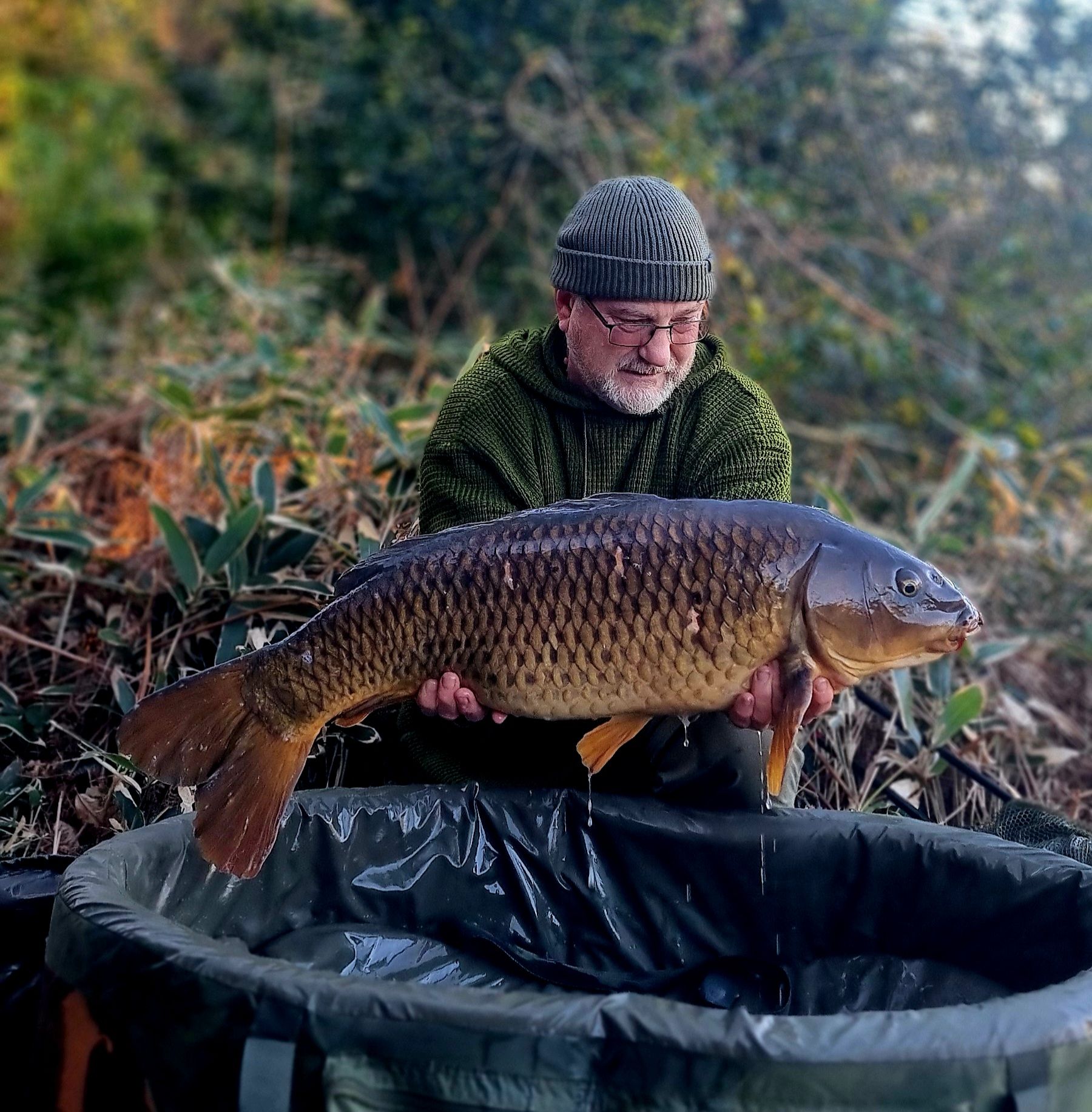
Around 4:30, my middle rod screamed off again—this time with what felt like the biggest fish of the session. After a tense fight, I finally landed it, but as always, my scales were at home. Typical! Still, I was thrilled with the catch, and the results were stacking up nicely.
The Final Stretch
The night brought more opportunities, but I also lost a couple of fish to hook pulls. That didn’t bother me, though—the Blank Saver baits were clearly working well, and the carp were responding. The next morning, I switched all my rods over to the yellow Blank Saver, which had been producing the most action. I’ve always believed in adapting to the fish’s preferences, and this change seemed like the right move.
By the end of the trip, I’d caught more fish than I expected and learned a lot about how the Blank Saver range performs under varying lake conditions. The final tally was:
-
3 x White
-
5 x Yellow
-
1 x Pink


The Verdict
This trip was all about testing the new Nutrabaits Blank Saver range, and I can confidently say it’s a winner. The baits worked well in the lake’s clear water, and the carp definitely had their preferences. The yellow Blank Saver outperformed the others, but that’s the beauty of these baits—they allow for experimentation, and as conditions change, so do the fish’s responses.

Whether you’re targeting carp in clear, deeper waters or fishing in murkier conditions, the Blank Saver range has proven itself versatile and reliable. As I reflect on this trip, I can’t help but look forward to the next one, ready to test these baits even further.
Until next time, keep experimenting, stay adaptable, and most importantly, keep fishing.
Richard
P.s
I headed back down to the lake, this time sticking solely with the yellow Blank Saver, as it’s clearly the one this water seems to favour. The results spoke for themselves—ten takes, eight fish landed, with the best tipping the scales at 28lb 6oz. There’s no doubt about it: this range has some serious pulling power.



Get 10% off Deeper with Code – RICHARD10







 UK Carp & Coarse Fishing