
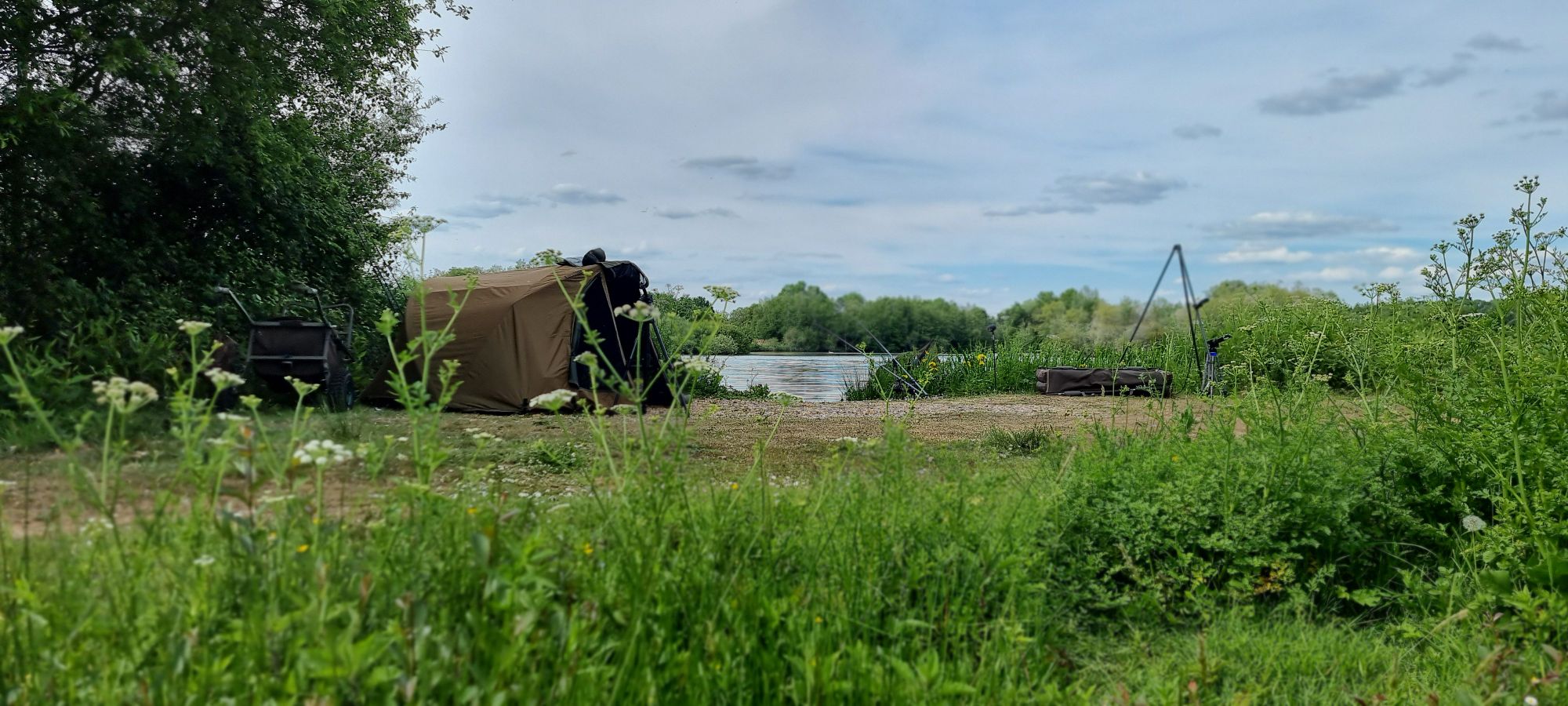
There are moments in carp angling when instinct kicks in—when the changing sky and shifting pressure whisper that now is the time. After a prolonged spell of still, bright weather, a dramatic change had been forecast. A low-pressure front was moving in, bringing a band of rain followed by patchy showers. To any seasoned angler, this was a beacon—conditions that scream a feeding spell. I knew I had to act.
With a few gardening jobs to wrap up first, I spent the morning moving soil and trimming hedges, watching the clock and keeping a close eye on the weather updates. The wind direction hadn’t shifted dramatically, but the incoming rain was what had my attention. It was around 1400 hrs by the time I finally loaded up and headed out, tired but fired up for a proper 40-hour session.
As I approached the lake, I already had a plan formulating in my mind. I was hoping the wind would gain strength and push directly into the bank I had in mind—a bank that had given up good fish in the past under similar conditions. To my surprise, as I crept along the tree-lined margin, I spotted a few carp moving. They hadn’t been showing much lately, so this was an early sign that my hunch might just be spot on. It always pays to watch, and I took it as a quiet confirmation from the carp gods that I’d timed this right.
Settling In
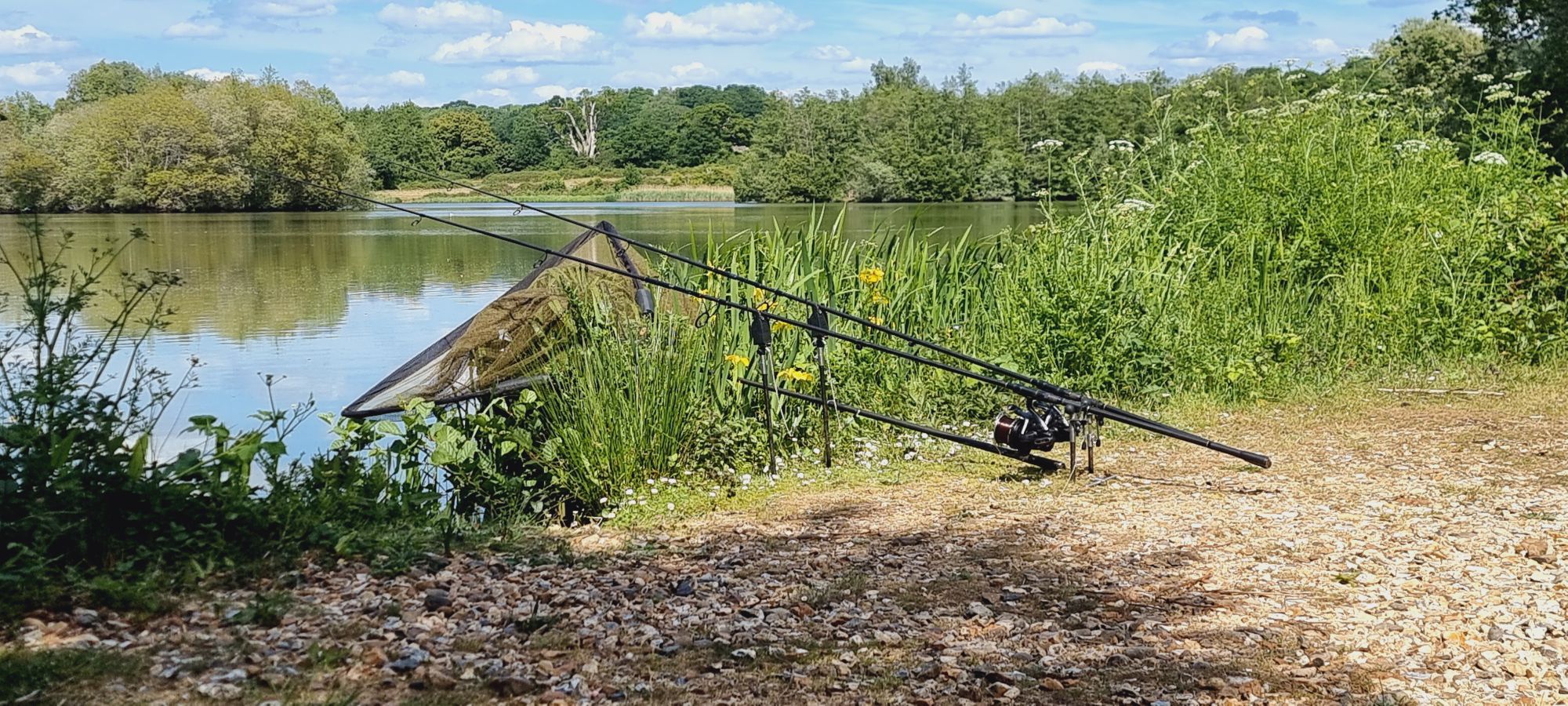
I pitched up in the gravel swim I usually fish throughout the autumn—a firm favorite of mine due to its access to deeper water and the solid, clean spots that are ideal for accurate baiting. Given the weather and the feel of the air, I decided to bait with some intent. It wasn’t a time for flicking out singles and hoping for the best. These conditions, I believed, would get the carp on the feed, and I wanted to be ready when they dropped down.
My go-to bait this season has been Nutrabaits White Blank Savers, and I wasn’t about to switch now. They’d proven consistently productive on this venue over the last few months. I’ve learned to stay loyal when something’s working. That said, I’m mindful of the seasonal shift—these carp have a tendency to swap over to their preferred 18mm wafters as the water warms and summer takes hold. But right now, the Blank Savers were still getting attention, and that was good enough for me.
I placed one rod on a solid PVA bag, an old faithful method I’ve trusted since the 80s. The other went out as a single hookbait on a very particular spot—a small gravel patch nestled near some light silt. It’s a funny area: it’ll go dead for weeks and then, suddenly, give up a lump. It’s a precision spot, not one to scatter bait over, and you’ve got to be bang on with your cast.
It was still around 20 degrees when I arrived, and I was feeling every bit of the effort I’d put into the morning’s graft. Four hours of digging and hauling before a full setup in the muggy heat isn’t the ideal prep, but it’s part of the life I’ve chosen. Carp fishing doesn’t reward half-measures.
A Quiet First Night
As dusk settled in, the lake seemed to hold its breath. There was a tension in the air—something brewing. I had hoped the carp would have moved in by now, drawn by the fresh bait and the gathering cloud cover, but the night remained eerily quiet.
Around 0230 hrs, the rain finally arrived. You could hear it before it hit—the soft hiss of it coming across the water. Then, just as it began to patter on the bivvy, I heard it: the unmistakable crash of a big carp launching itself skyward somewhere across the lake. Then another. And another. They were on the move—more active than I’d seen them in weeks. My spirits lifted. I may not have had a bite yet, but this was a sign. Something was happening.
As the rain passed and morning began to break, the skies cleared slightly and the warmth of the sun began to filter through. By 1230, I was sitting outside the bivvy, watching the water, scanning for signs. There were thunderstorms forecast for later that afternoon, which might either stir them up again or shut them down completely. Still no action on the rods, but I wasn’t about to move. I knew from experience that this venue can turn in an instant—and I’d baited properly. All I needed was time.
When the Air Breaks
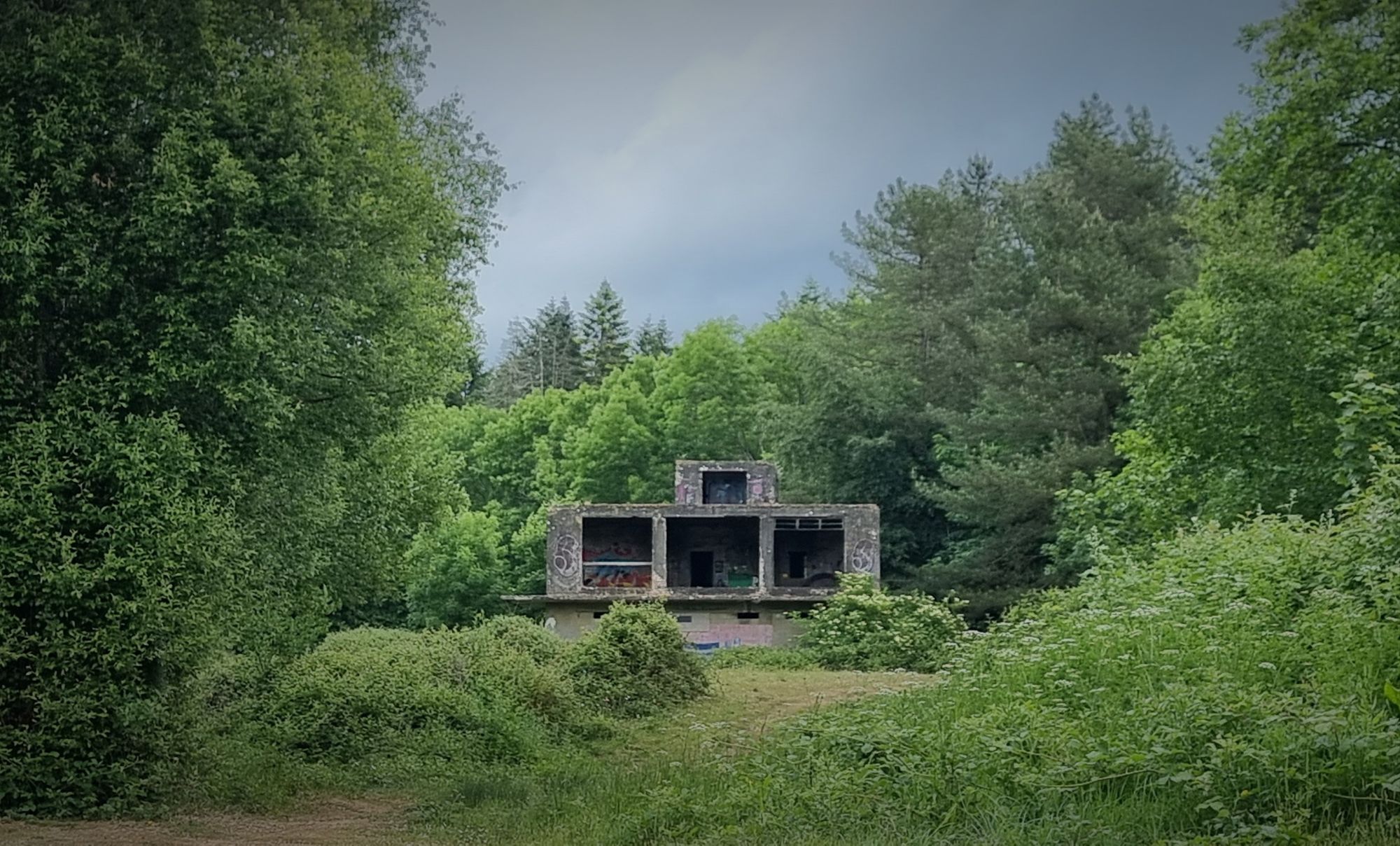
At 1600 hrs, I noticed the light dimming strangely across the water. A thick, bruised cloud mass began creeping over the old control tower. A low rumble of thunder rolled through the hills, distant but resonant. It might not hit us directly, but that sort of electrical shift in the air often sparks a feeding response. I sat quietly, willing the rods to twitch.
The lake, once again, went into that expectant silence. Nothing stirred except the occasional coot and the breeze curling through the trees. I stayed poised, rods untouched, still fishing both the areas I’d baited up the previous day. I’d learned the hard way not to keep tweaking things when conditions feel right—let it ride.
Then, just after midnight, bang on 0019 hrs, the left-hand rod ripped into life. It was the PVA bag rod—a method that rarely lets me down when the fish are about. The take was no nonsense, a solid run, and after a relatively calm but steady scrap, a clean 17lb common slipped into the waiting net.

Not the biggest fish in the lake by any means, but a very welcome one given the wait and the effort I’d put in. More importantly, it felt like a turning point.
I slipped a fresh Blank Saver onto the rig, re-packed the PVA bag, and clipped it back onto the spot. By pure luck, I spotted Carping Kev’s torch flicker through the mist on the opposite bank. He must have had a fish at the same time—his light served perfectly as my horizon marker for the recast. It’s funny how those little moments of synchronicity give you a quiet sense of confidence.
A Misty Farewell
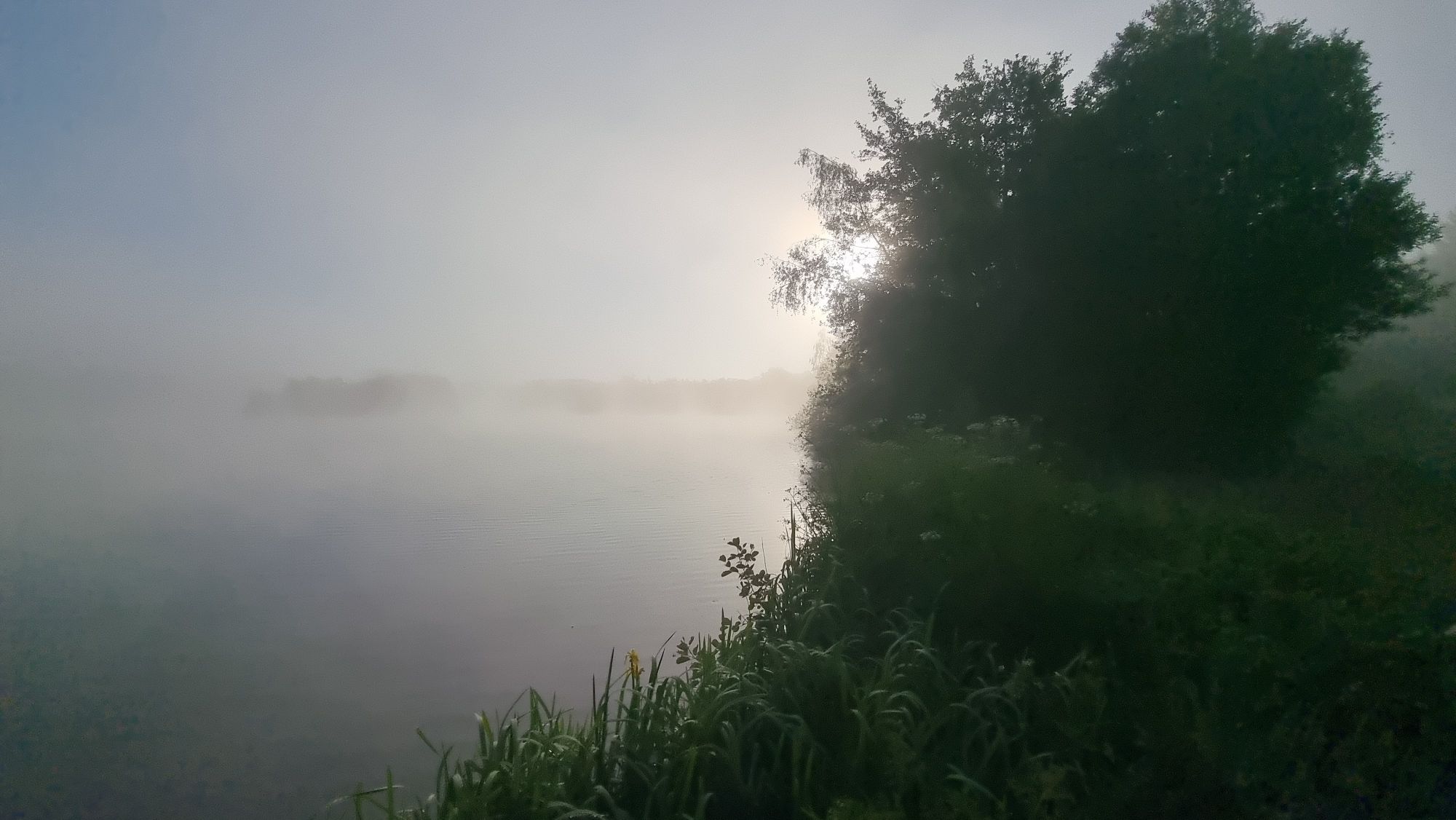
I woke around 0630, not to the brightness of the sun, but to a thick mist rolling across the surface like smoke from a damp fire. Everything was soaked—the bivvy, the nets, the mat. The sort of dew-heavy morning that seeps into your bones and turns pack-down into a soggy chore. Not the dry and breezy getaway I’d hoped for, but it felt right for the session. Wild, damp, raw—a proper English carp morning.
Despite the lack of further action, I was buzzing. The bite had been the payoff, sure, but it was also about the process—getting everything aligned, trusting my spots, and staying put even when doubt started whispering in the back of my mind. Carp fishing isn’t always about hauling. Sometimes it’s about timing. You don’t always need ten fish to validate your tactics—one well-earned bite in the right conditions speaks volumes.
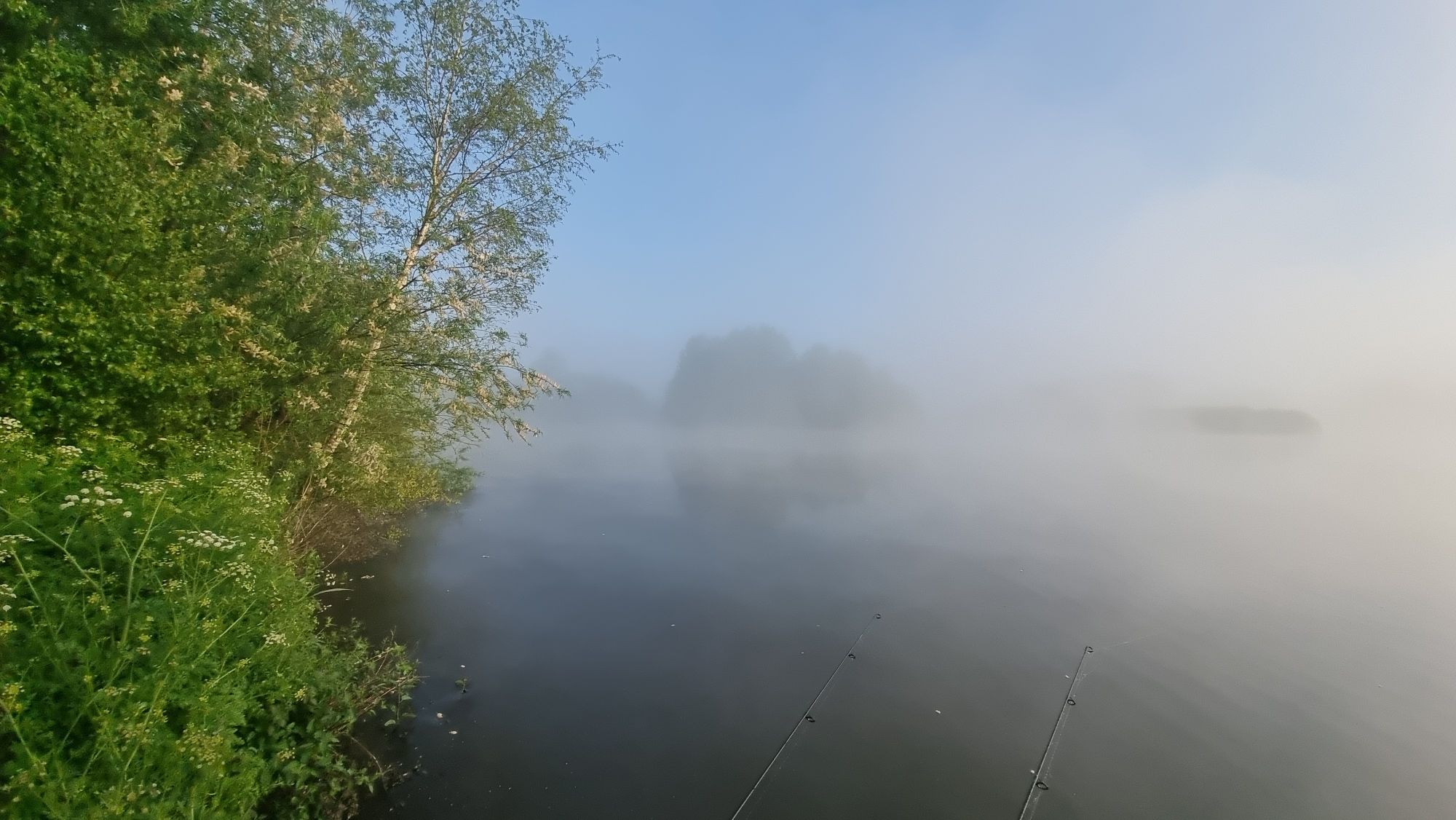
As I began the slow process of packing up, every bit of gear was wet. The bivvy was folded into its bag with a reluctant squelch, the sling and mat dripped steadily as I stowed them away. But I was content. This is all part of it.
Looking Ahead
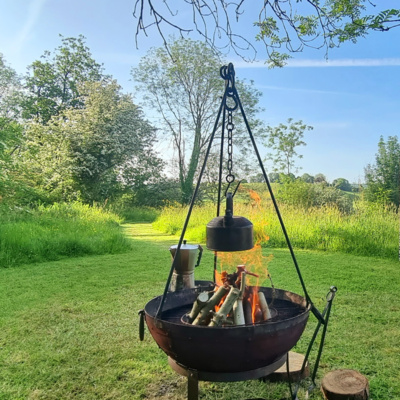
It’s time now to swap bivvy life for tent life, as I head off for a week’s camping in Wales. Hopefully, there’ll be less rain than the forecast is threatening, but even if not, I’ll take it as it comes. After this session, I’m feeling settled—like I’ve scratched that angling itch just enough to unwind properly and enjoy the next adventure, whatever it brings.
The lake will still be here when I get back, and if this session taught me anything, it’s that patience and preparation still rule the roost. You can’t force the carp to play ball, but you can put yourself in the best possible position for when they do.
Until next time.
Richard



Get 10% off Deeper with Code – RICHARD10







 UK Carp & Coarse Fishing