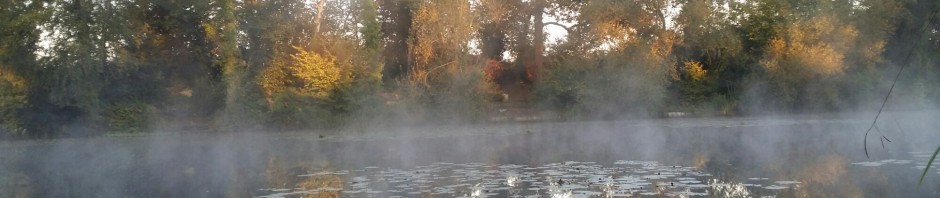
 Spring had certainly arrived, the blackthorn was in bloom, and even the hawthorn was beginning to show signs of green shoots. Buds on other trees were following suit, and the sunshine was abundant. The nights, admittedly, remained chilly—but that’s just how spring is meant to be.
I arrived at the lake just after 8:30 am, surprised to find only four night anglers and not a single day angler in sight. This was an unexpected sight, and I realized I hadn’t checked the weather forecast since lunchtime the day before. I learned that one carp had been caught the previous night by a member fishing in the swim I’d occupied just last week—a useful piece of information.

I spent a good hour scanning the water, contemplating my options. A check of the forecast revealed that the atmospheric pressure was dropping nicely, while both day and night temperatures were on the rise. A light southerly wind was blowing—nothing dramatic, just a gradual shift. There was even a small chance of rain.
The swim I chose wasn’t my usual pick. However, I’d done well in the swim next door during my first trip back after my heart attack, and this one had produced a few fish for Ian on occasions. Another member had an incredible session here one summer night, and I remembered it had delivered similar results a few springs back. If the favorable conditions persisted, more anglers would soon be hitting the banks, so it was the perfect opportunity to explore different swims. I’d spotted carp here about three weeks ago but hadn’t been able to get over at the time.

Last summer’s pruning had opened up additional fishing spots in the swim, and I planned to take full advantage. For bait, I was using Cream Cajouser and Trigga Ice boilies and solubles, which had been soaking for two weeks. I was preparing to do the same with Co-De and Big Fish Mix but I needed to dig out my bigger tubs to get back into full production mode. After last week’s success with a Trigga Ice 15mm wafter and a Liver Supreme 12mm pop-up, I decided to stick with that approach, leaving my rods out for as long as possible.

The first night, however, was uneventful—a disappointment given the promising conditions. The carp should have been moving by now. We had enjoyed several days of stable weather, but I hadn’t heard a single fish during the night. From my swim, I could usually hear them splashing in the bay behind me, as well as across a good portion of the main lake. Still, I had to admit I’d slept exceptionally well.
Morning greeted me with thick mist, and the lake was eerily calm, looking lifeless. Another day of sunshine was forecast, with similar conditions expected tomorrow. Surely, the carp had to start feeding soon.

At 9 am, my consultant called, offering me an appointment at 10 a.m.—great news. I quickly reeled in and headed off. The outcome was positive: they were taking me off one of my medications immediately and another in June. This was a hopeful development, as I had inherited HHT (Hereditary Hemorrhagic Telangiectasia) from my mother’s father. It hadn’t been a major issue until I was put on blood thinners. The laser treatments I receive every six months now had to be done every three, and even then, they weren’t as effective as they used to be. Hopefully, reducing my medication would help.
I returned to the lake just after 11 am to find the angler in my previous week’s swim packing up. He asked if I wanted to move in after him, and I had been contemplating a move during my drive back. Normally, I avoid changing swims mid-session, but after only one night, the idea was appealing. If I hadn’t seen or heard anything after two nights, I’d rather head home than relocate. But this opportunity seemed too good to pass up. By 3 pm, I was settled into my new swim, fishing the same spots as last week but with different bait combinations.
As evening fell, fog rolled in up the valley around 6 p.m., dropping the temperature and with it my confidence. I’d never done particularly well in fog for some reason.
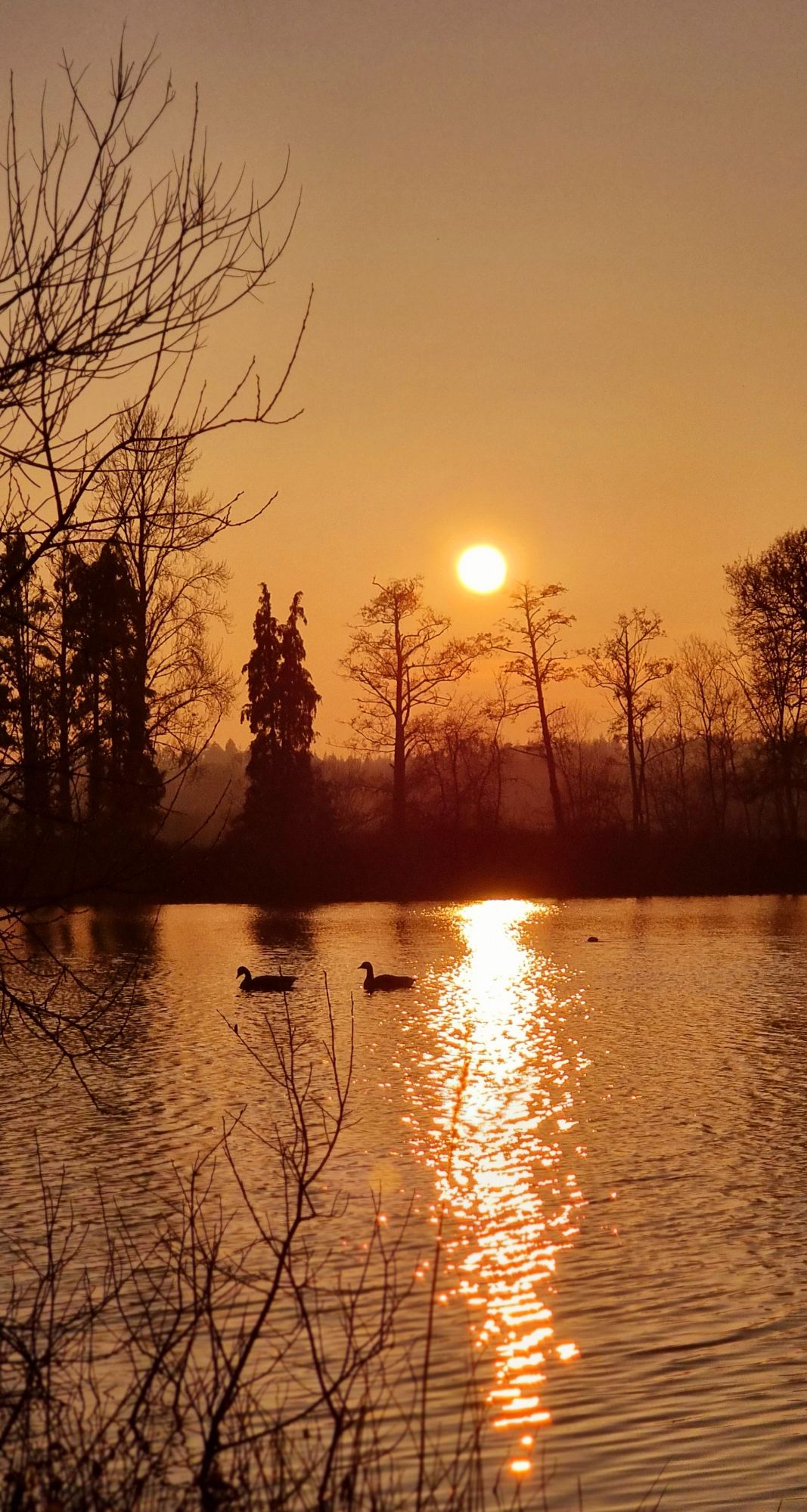
I woke the next morning to a wall of thick mist, which didn’t lift until 10 am and when the sun finally broke through, it was soon obscured by clouds. Taking advantage of the moment, I spombed out the rest of my crumb mixture and remaining boilies. I left the rods out, intending to keep them in until either I had a bite or it was time to pack up. The overnight temperature was set to be a mild 8 degrees—surely, this would encourage the carp to move. I planned to leave by 10 am the next morning, giving me 17 hours to land a fish. With low pressure and a lovely southerly breeze rippling across the water, conditions seemed perfect, it had to happen soon.
But my final night came and went, and still nothing. No signs of carp, no bites, and no activity. The fish had been active Monday night, yet since then, they had seemingly vanished. It was baffling.
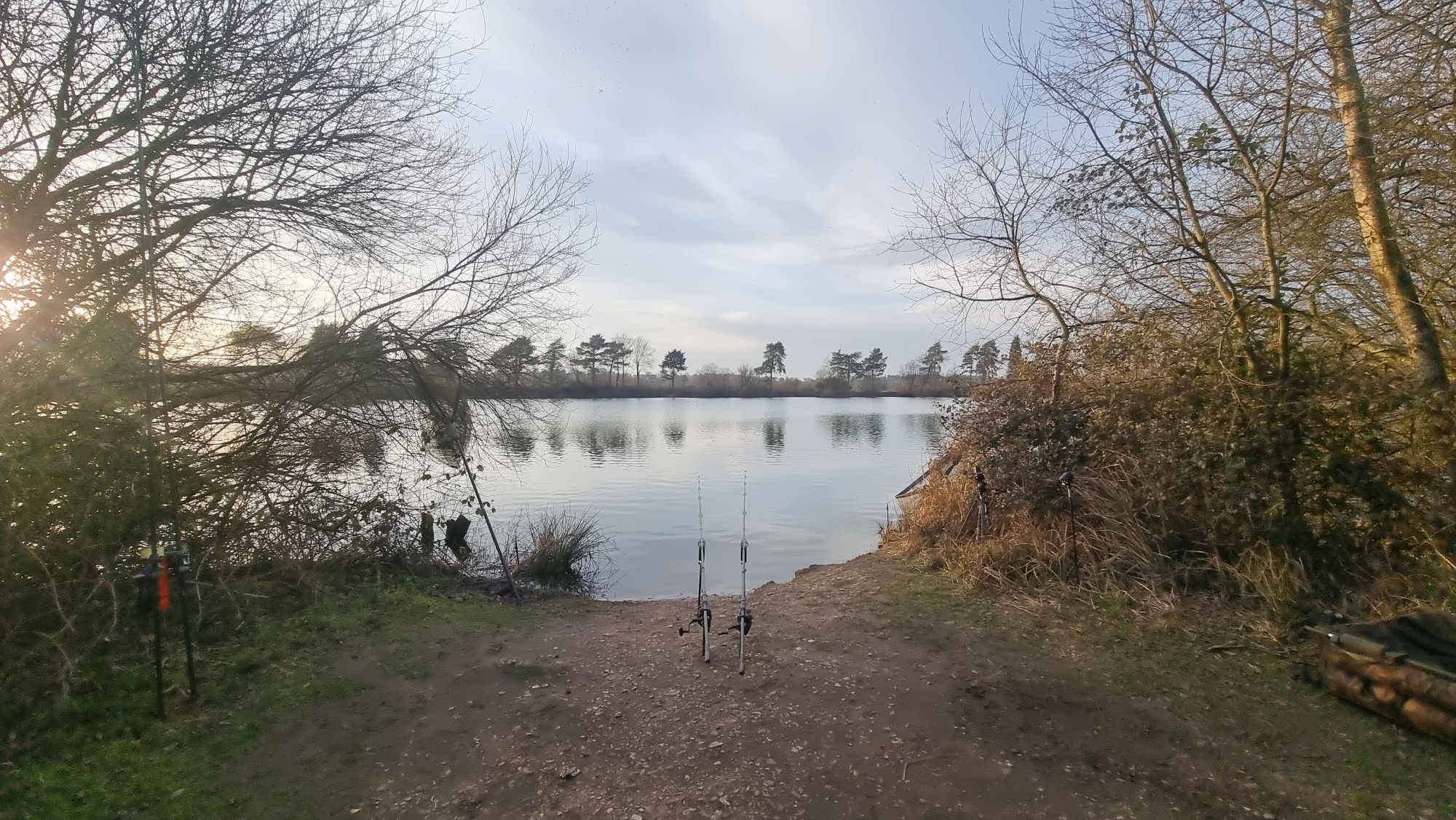
If this pattern continues over the weekend, I might switch things up and head to the club lake next week. A change of scenery often helps—it reassures you that the carp are simply playing hard to get rather than making you question your tactics. We’ll see where I end up.
Until next time.
Richard



Get 10% off Deeper With Code – RICHARD10







 UK Carp & Coarse Fishing