
“Adapting to the Dynamic World of Carp Fishing: A Continuous Learning Journey”

More Ramblings
Introduction: In the ever-changing realm of carp fishing, I share insightful reflections on the need for constant adaptation and learning. Contrary to claims of mastering a venue, he asserts that such a feat is a myth, emphasizing the dynamic nature of lakes and the unpredictable behaviour of carp. With a focus on continuous improvement and staying one step ahead, this article encourages anglers to challenge their perspectives and embrace an evolving approach to fishing.

Carp as Nature’s Connected Creatures: Highlighting the environmental awareness of carp, I draw attention to their innate connection with nature. He contrasts this with the environmental impact of human actions, underscoring the responsibility anglers bear in preserving the delicate balance of lakes. Lakes evolve with each passing season, and carp, being attuned to nature, adapt to these changes. Anglers must recognize this adaptability and be equally flexible in their approach.

Avoiding Complacency: A crucial point made by me is the danger of angler complacency. Once an angler perceives they have mastered a venue, there’s a tendency to stagnate. Emphasizing the importance of continuous effort and staying ahead of the carp’s learning curve, I advise against comparing oneself to other anglers. To counter the myth of a “hot swim,” he encourages exploration of less-fished areas, highlighting the potential of overlooked swims.

Factors Influencing Carp Behavior: I delve into the multifaceted factors influencing carp behaviour, from weather conditions and pressure changes to water temperature and the availability of natural food sources. Stressing the significance of understanding these elements, he suggests observing and adapting to the ever-changing conditions. Factors like angler pressure and sanctuary areas play crucial roles in carp behaviour, demanding a nuanced understanding for successful fishing.
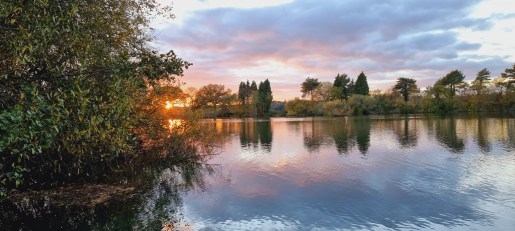
The Impact of Water Levels: The dynamics of water levels significantly impact carp behaviour, creating safe havens in low water or access to new areas during high water. I urge anglers to consider these changes when planning their approach. Sanctuary areas, if overused, can alter carp habits, making it vital for anglers to recognize and respect these designated refuge zones. Water levels act as a dynamic variable, requiring anglers to adjust their strategies accordingly.
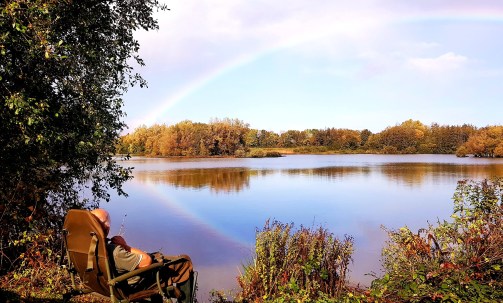
Conclusion: my article serves as a reminder to anglers that success in carp fishing lies in embracing change, learning, and continuous adaptation. By considering various factors influencing carp behaviour and avoiding complacency, anglers can navigate the complexities of lake fishing. The call to enjoy the journey, appreciate the natural environment, and cherish the essence of fishing encapsulates the spirit of this reflective and thought-provoking piece.
Wishing you fruitful and ever-evolving fishing adventures,
Richard
Read the full blogs
You can’t stand still (food for thought)
Mixing it up
Why Compare Yourself To Others?
PREPARING FOR SPRING AND NEW CHALLENGES


Get 10% off Deeper With Code – RICHARD10







 UK Carp & Coarse Fishing