Why Compare Yourself to Others? A Deeper Dive Into the Angler’s Dilemma
As anglers, we often find ourselves in situations where we compare our success (or lack thereof) to others. Whether it’s carp fishing or any other type of angling, the sight of someone else consistently catching fish while we struggle can lead to frustration, self-doubt, and a sense of defeat. But why do we compare ourselves to others in the first place, and what can we learn from this instinct? More importantly, how can we break free from this counterproductive habit and enjoy fishing for the personal journey it provides?
This article will explore these questions and offer a more profound perspective on why comparing yourself to others in carp fishing—or life in general—is not only pointless but also detrimental to your mental well-being and overall enjoyment of the sport.
1. Time on the Water: The Most Significant Factor
One of the biggest reasons why some anglers consistently catch more fish is simple: they spend more time on the water. The more time you spend observing, walking around the lake, or simply being present, the more you learn about the habits of the fish, their favorite spots, and the best times to catch them.
For many anglers, especially those with full-time jobs, family commitments, and other responsibilities, this luxury of time is scarce. If you’re only able to fish once a week, or even less frequently, it’s unrealistic to expect the same results as someone who is able to spend hours on the bank every day. The angler who takes a quick 30-minute walk around the lake every other evening, particularly at dawn or dusk when carp are most active, gathers invaluable information over time. They might notice patterns in the fish’s behavior, such as where the fish tend to show themselves during feeding times, which areas of the lake are least disturbed by other anglers, and how the fish react to different weather conditions.
When we compare our single session to someone who’s effectively lived at the lake, we set ourselves up for disappointment. It’s essential to accept that the more time you invest, the more you’ll learn. For the angler with limited time, the key is to make the most of every session by staying observant and patient.
2. The Importance of Arriving Early and Choosing the Right Swim
Another critical factor is the time of arrival. If you’re the first one to arrive at the lake, you get the best chance to choose your swim after observing the water for signs of fish. Early birds can often spot feeding activity, subtle ripples, or even see fish breaking the surface, all of which give clues about where the carp are holding up. However, if you’re arriving late, especially when half the swims are already taken, your options become more limited.
It’s easy to feel defeated when the “hot swims” (the ones with the most activity) are taken, but this doesn’t mean you’re out of luck. Some of the best anglers have learned to master less popular areas of the lake. If you find yourself consistently relegated to the swims that other anglers overlook, view it as an opportunity. Spend time getting to know the quiet spots, bait them regularly, and fish them with confidence. Many times, fish will move into these less pressured areas, and by creating your own productive swim, you might end up having better results than those fishing the more popular spots.
Moreover, fish don’t always stick to the same areas; they move depending on conditions like water temperature, food availability, and angling pressure. By adopting an attitude of exploration and experimentation, you can turn what seems like a disadvantage into an advantage.

3. The Myth of “Hot Swims”
Hot swims are only hot because they’re consistently fished. When an area gets fished often, it’s baited frequently, and the fish start to associate that area with food. It’s no wonder that these swims tend to produce more catches over time. However, this doesn’t mean that the angler fishing in the hot swim is necessarily more skilled than you; they’re simply reaping the benefits of being in an area that has been conditioned by regular feeding.
If you’re constantly missing out on these so-called hot swims, don’t despair. Instead of comparing yourself to the anglers who always seem to catch in those areas, focus on creating your own hot spot. Choose a less fished area of the lake, start introducing small amounts of bait, and keep it consistent. Over time, fish will begin to visit this area, and you’ll have your very own productive swim. Most importantly, keep this under the radar. If everyone knows you’ve found a new hot spot, it will quickly become just as crowded as the others.

4. Knowledge vs. Skill: The True Measure of Success
It’s crucial to differentiate between knowledge and skill. The anglers who “live on the lake” and consistently catch more fish aren’t necessarily more skilled than you; they just have more knowledge about the specific body of water. Knowledge comes from observation and experience, which, as mentioned earlier, requires time on the water.
However, skill is something you can hone regardless of how often you fish. Skills like casting accuracy, rig presentation, and bait choice are all factors that you can control, regardless of how frequently you visit the lake. Even if you’re only able to fish once a month, you can use that time to refine your techniques and improve your overall abilities. Instead of comparing yourself to someone with more knowledge of the lake, focus on building your skills as an angler. Over time, this will pay off as you become more adaptable and able to succeed in a wider range of situations.
5. Fishing Is Not a Competition
One of the most important points to remember is that fishing isn’t a competition—unless you’re in an actual competition, of course! For the vast majority of anglers, fishing is about relaxation, connection with nature, and the personal challenge of catching fish. When you start comparing yourself to others, you lose sight of what makes fishing enjoyable in the first place.
Each angler has their own reasons for fishing, and each session should be a personal experience. Whether you’re fishing to unwind, to reconnect with nature, or to challenge yourself, the only person you should be comparing yourself to is yourself. Ask yourself: “Am I improving? Am I learning something new each time I fish? Am I enjoying my time on the water?” If the answer is yes, then you’re doing it right.
6. Embrace the Experience, Not Just the Catch
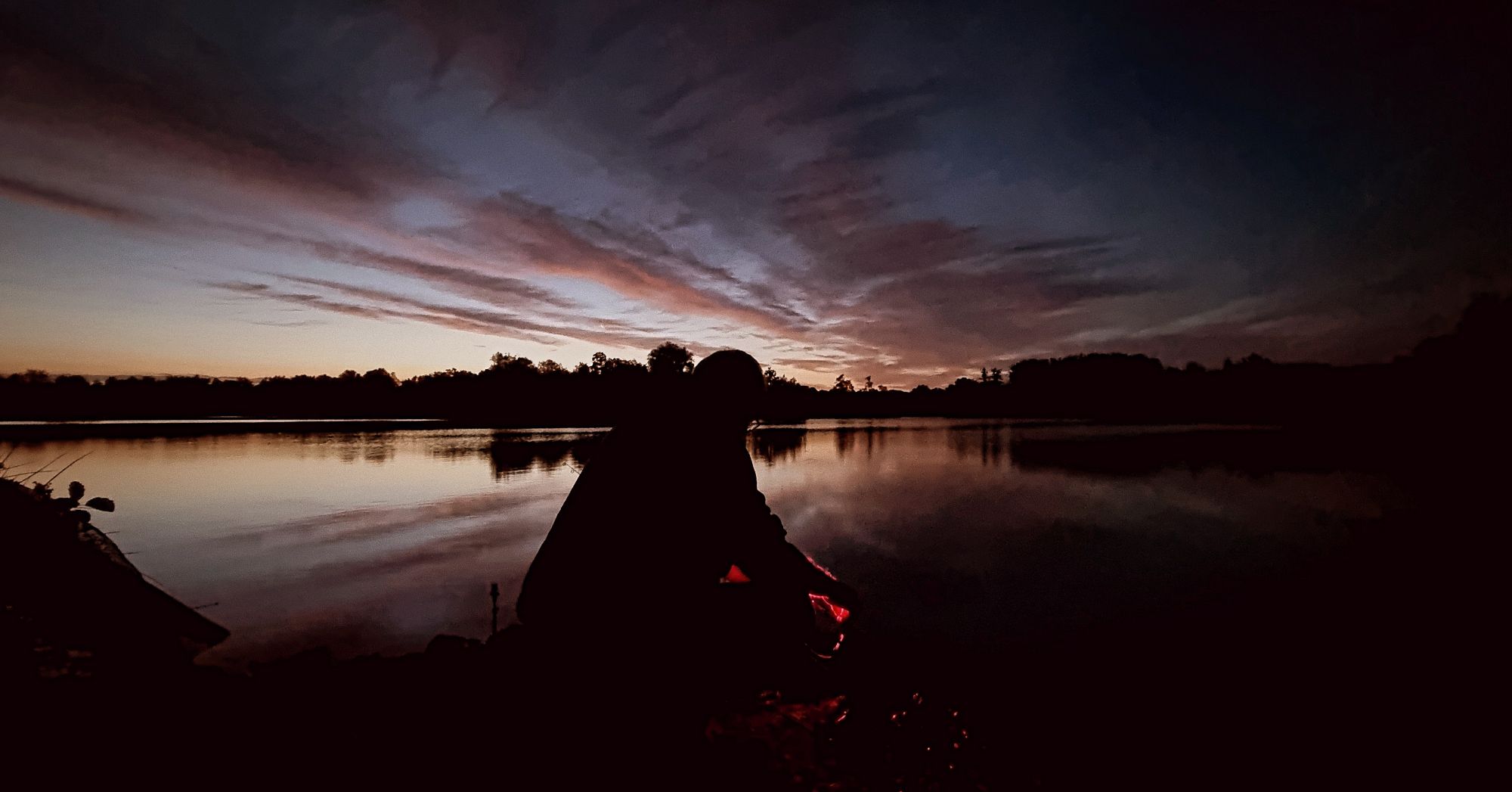
As someone who now primarily fishes syndicates or quiet club lakes in the winter, I’ve learned to appreciate the solitude and beauty of fishing more than ever before. While catching fish is always a thrill, the real reward comes from the experience of being out in nature, observing wildlife, and finding peace in the slow, methodical process of fishing.
It’s easy to get caught up in the pressure to catch, especially when others around you are landing fish left and right. But if you focus solely on the numbers, you miss out on everything else that fishing has to offer. Remember why you started fishing in the first place. Was it for the adrenaline rush of catching the biggest fish, or was it for the joy of spending time outdoors, away from the stress of daily life?
Many anglers, myself included, have found that fishing is as much about mental health as it is about sport. The act of being by the water, observing the world around you, and disconnecting from the fast-paced world can have profound effects on your well-being. If you’re constantly comparing yourself to others, you lose this sense of peace and relaxation. Fishing becomes a source of stress rather than a source of solace.

7. Effort Equals Reward—But Don’t Take It Too Seriously
There’s no denying that effort equals reward when it comes to fishing. The more time you put in, the more you observe, and the more you experiment, the better your results will be. However, it’s essential to strike a balance. Fishing should never feel like a chore or a burden. If you find yourself taking it too seriously, to the point where you’re no longer enjoying it, it’s time to take a step back and reassess your approach.
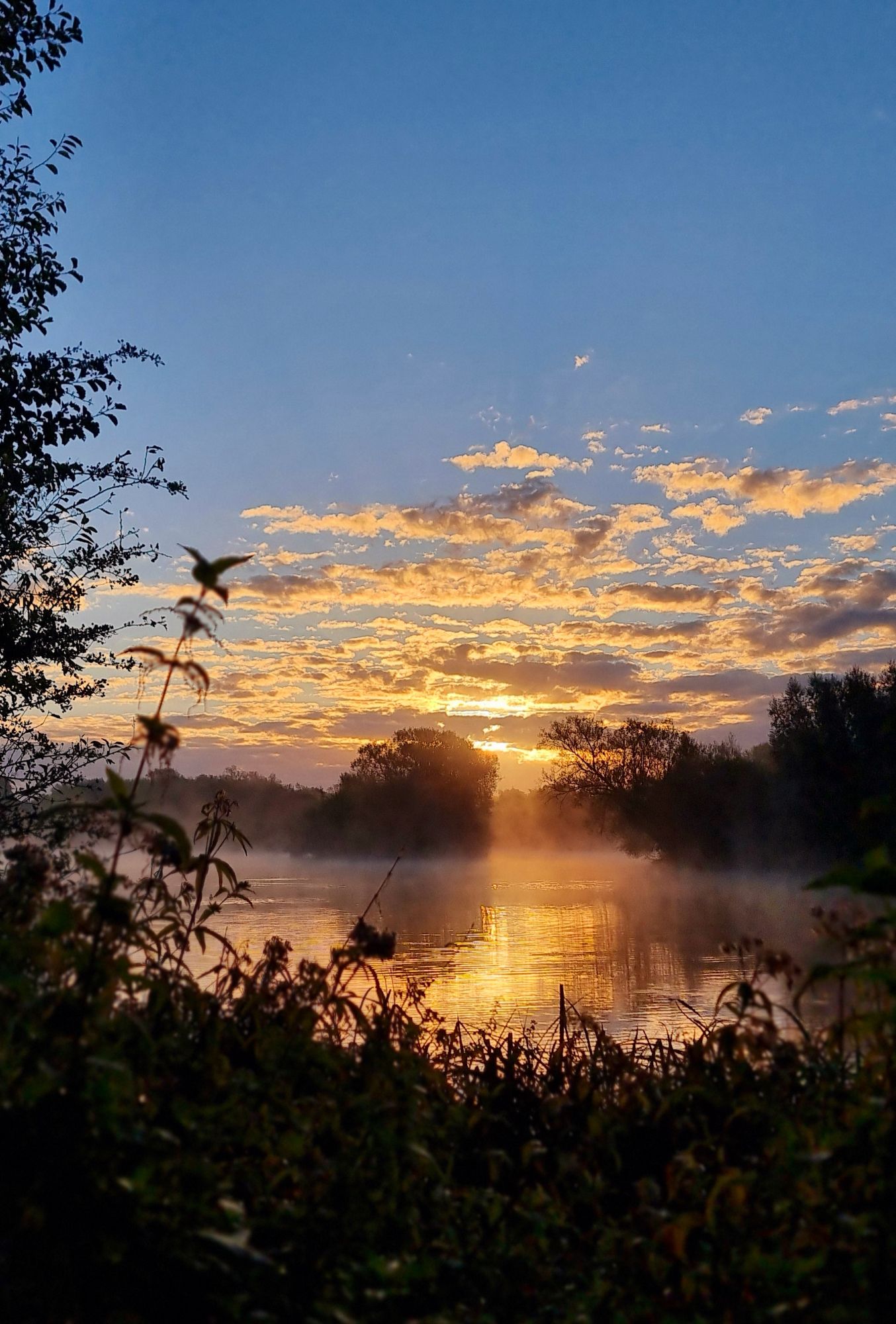
I used to think that fishing was all about catching as many fish as possible. While catching is certainly a big part of the enjoyment, it’s not the only part. There’s so much more to fishing than the end result. Whether it’s watching a kingfisher dart across the water, seeing a shooting star while sitting by your rods at night, or simply enjoying the quiet solitude of a misty morning on the bank, these are the moments that make fishing truly special.
![20240317_175616[1]](https://richardhandel.com/wp-content/uploads/2024/03/20240317_1756161.jpg)
8. Enjoy the Journey
At the end of the day, fishing is a personal journey. Each angler’s path is different, and there’s no one “right” way to fish. Some anglers thrive on the competitive aspect of catching the biggest or most fish, while others find joy in the simple act of casting a line and being outdoors.
The important thing is to fish for yourself and only for yourself. Don’t compare your catches, your gear, or your knowledge to others. Fishing is about the experience, the connection to nature, and the personal growth that comes from each session. By letting go of comparisons and focusing on your own journey, you’ll find greater fulfillment and satisfaction in your time on the water.

Conclusion
In a world that constantly pushes us to compare ourselves to others, fishing offers a rare opportunity to step back and focus on the things that truly matter. Whether you’re catching fish or not, the real reward of fishing lies in the time spent outdoors, the lessons learned along the way, and the moments of peace and reflection that come with each cast.
So the next time you find yourself comparing your success to others, remember that fishing is a personal journey. Fish for yourself, enjoy the process, and embrace the unique experience that every session brings. After all, it’s not.
Food For Thought
Richard







 UK Carp & Coarse Fishing