
10 Winter Carp Fishing Tips – let’s dive deeper into each point, providing more detailed insights, strategies, and advice to help you maximize your success during the cold months. Carp fishing in winter can be a true test of endurance and skill, but with the right approach, it can also yield some of the most rewarding catches. Here are ten comprehensive tips to help improve your winter carp fishing game.

1. Walk Around the Lake as Much as Possible
During the winter months, carp become less active due to their slower metabolism, making them harder to locate. However, they still move to different areas of the lake, usually to spots that provide the most comfort, such as areas with consistent temperatures, oxygenated water, or natural food sources.
If you can spare the time, walk around the lake as often as possible. You may not always be able to spot fish directly, but you’ll notice subtle signs, such as bubbling, the odd swirl, or even a gentle head poke from the water. These subtle clues are invaluable in the winter when carp are less active. When I can’t be at the lake often, I make sure to note any patterns from my previous winter sessions in a fishing diary. By revisiting these spots, I increase my chances of success each winter.

2. Sharp Hooks Are a Must (All Year Round)
This may seem like an obvious tip, but it’s crucial. In colder water, carp may be less likely to aggressively take the bait, so even the slightest nibble might be your only chance. Using ultra-sharp hooks can make the difference between a successful hook-up and missing that elusive bite.
Checking and sharpening your hooks before each session becomes even more important in winter. Some anglers even bring a small sharpening stone or diamond file to maintain razor-sharp hooks throughout the session.
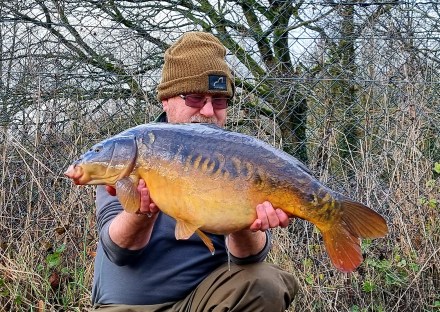
3. Location, Location, Location
Winter carp fishing is all about being in the right place at the right time. Unlike the warmer months when fish are more active and can be found across different parts of the lake, winter carp tend to congregate in specific areas. Identifying these “holding spots” is key.
Look for deeper areas of the lake, which often hold slightly warmer water, or areas where natural food is present. Features like dead lily pads, sunken snags, and reed beds can also attract carp as they seek shelter. Carp also tend to stay in the same areas for longer during winter, so once you’ve identified a productive spot, it’s worth revisiting multiple times.
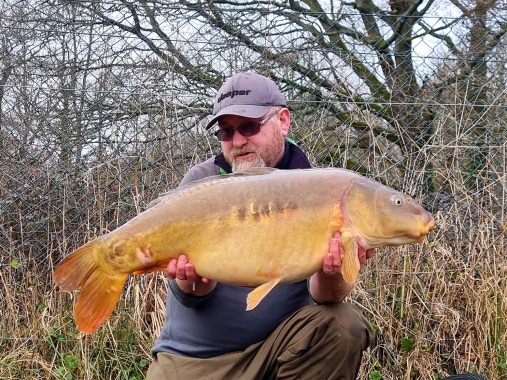
4. Use Minimal Bait
Carp feed far less in winter, so using too much bait can easily ruin your chances. Overfeeding fish when they are not burning much energy can result in them losing interest in your hook bait.
A small, highly attractive bait is the way to go in winter. I like to use stick mixes or PVA bags filled with small, enticing baits that release lots of flavor and scent into the water without overwhelming the carp. This ensures that the fish are drawn to my bait without feeling full before they reach the hook.
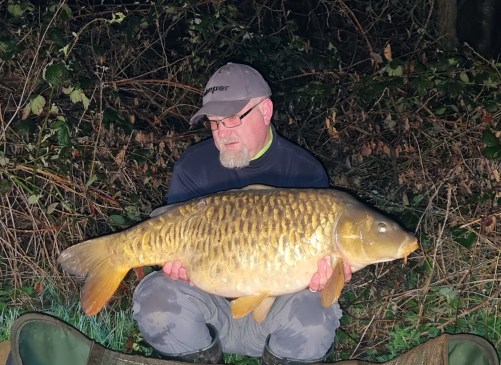
5. Keep a Diary of Previous Years’ Results
Winter conditions vary from year to year, but patterns often emerge. Keeping a fishing diary that logs your catches, bait choices, weather conditions, and successful locations can provide useful insights as the years go by.
I’ve found that over the years, certain swims and baiting tactics that worked one winter can often be productive again the next. If I’ve had success in a particular area in the past, I make sure to check those spots first, even if conditions seem slightly different.
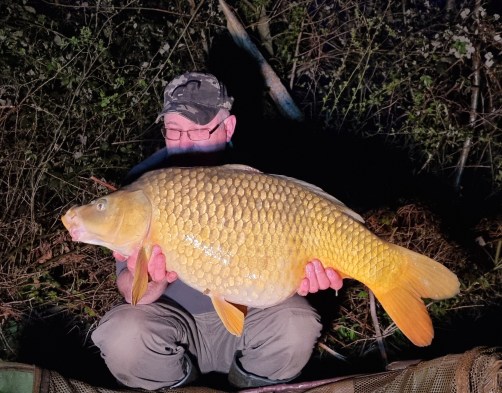
6. Fish Over Dead Pads and Snags
When the temperatures drop, carp often seek cover in or around dead lily pads and snags. These areas provide shelter and can be slightly warmer due to decaying plant matter. Fishing close to these features in winter is a proven strategy for catching lethargic carp.
While fishing near snags or pads can be risky due to the potential for line breakages, the rewards are often worth the risk. Using strong tackle and staying alert during a session will help mitigate this challenge.
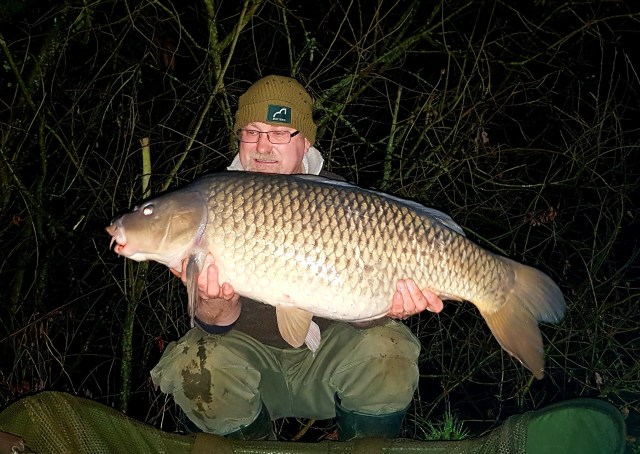
7. Fish Near Reed Beds
Reed beds can hold slightly warmer water in the winter months and offer excellent shelter for carp. As with snags and lily pads, these areas are worth targeting when temperatures drop. Fish tend to congregate in these spots during colder weather, making them ideal for winter fishing.
When fishing near reeds, I recommend positioning your rig just on the edge of the bed. Carp will venture out from the safety of the reeds to feed, so casting too close might actually scare them off.
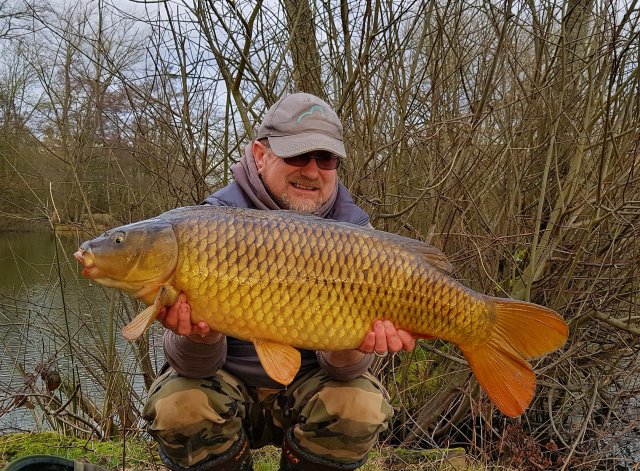
8. Avoid Cold Easterly Winds
Carp are sensitive to changes in water temperature and pressure. Cold easterly winds can drastically reduce the temperature of surface water and push fish away from the bank, making it harder to catch them. Whenever possible, fish in areas sheltered from the wind or choose a venue where the wind isn’t directly affecting the water temperature.
In winter, a mild southerly or westerly wind is far more favorable as it can bring slightly warmer air and help oxygenate the water, potentially encouraging carp to feed.

9. Collaborate with Fellow Anglers
In winter, information is golden. The carp might not be moving as much, but they are still moving. Having a network of fellow anglers can greatly improve your chances. By sharing insights and tips with someone who fishes during the day (while you fish at night or during weekends), you can pool knowledge about recent catches and locations.
I’ve built a solid rapport with several anglers at my local lakes. We often exchange notes about where we’ve seen fish, what bait is working, and where others are having success. This collaboration helps us stay one step ahead during the winter months.
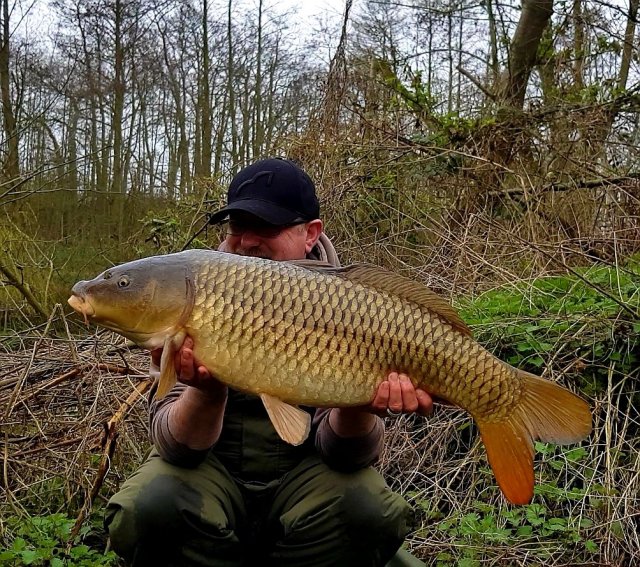
10. Night Fishing: Stay Vigilant
Winter night sessions can be brutal, but they can also produce excellent results. Carp tend to be more active at dawn and dusk, so staying alert during these times can significantly increase your chances of a catch. Even in the dark, keep your ears open for the sound of fish moving, and your eyes peeled for subtle signs of carp activity like bubbles or a faint splash.
On clear, calm nights, the lake often becomes a mirror, and any disturbance on the surface can reveal a fish’s presence. I like to make the most of my time by waking up in the middle of the night, making a cup of tea, and scanning the lake for signs of fish. It might sound exhausting, but spotting that one fish can turn a slow winter session into a productive one.
Additional Tips to Maximize Winter Carp Fishing Success
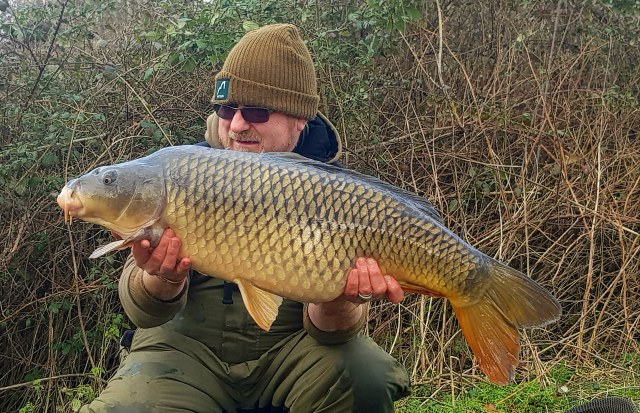
Less Boilies, More Attraction: In winter, less is more. Instead of piling in loads of boilies, opt for smaller, more attractive baits. Stick mixes, liquids, and groundbait can all help to draw fish in without feeding them too much. Winter is the season of attraction, so focus on using baits that release lots of scent and flavor to pull carp in.
Pre-Baiting with Caution: In winter, a little pre-baiting can go a long way, but it should be done cautiously. Tiny amounts of bait scattered over several days can encourage carp to return to the same area without overfeeding them. If you can visit the lake regularly, this strategy can be a game-changer. A handful of boilies scattered near a known winter holding spot can pay off big time when you return to fish.
Staying Warm and Comfortable: Lastly, don’t forget that your own comfort is key to success. Fishing in winter is not just about finding the carp, but also about being able to endure long, cold hours on the bank. Investing in quality thermal clothing, boots, and a proper sleeping bag will keep you out fishing for longer, increasing your chances of success. I’ve found that small tricks, like using a dog thermal mattress under my feet, can make a huge difference in staying warm.
Conclusion
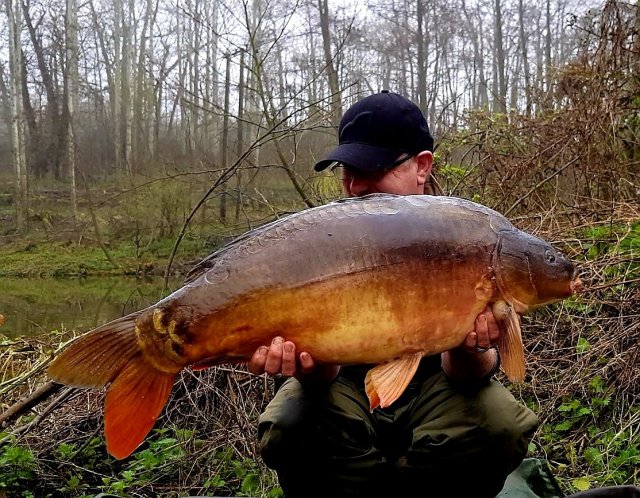
Winter carp fishing might seem daunting, but by applying these ten tips, you can vastly improve your chances of success. The cold season offers some of the best opportunities for catching carp at their peak condition, with fewer anglers competing for spots and quieter lakes. With persistence, smart planning, and a careful approach, you can turn a challenging winter session into one of your most memorable.
Staying active, sharing information, and constantly refining your tactics will help you stay one step ahead of the cold weather and the carp. Whether it’s adjusting your baiting strategy, focusing on key locations, or simply staying warm and comfortable, every small effort contributes to winter fishing success. So, embrace the challenge, and you might just find that winter becomes your favorite season for carp fishing.
I hope this helps
Richard


Get 10% off Deeper With Code – RICHARD10





 UK Carp & Coarse Fishing