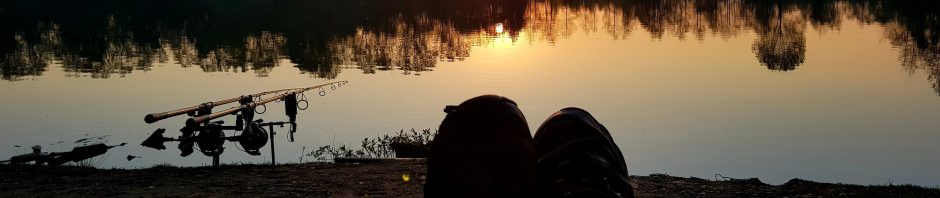

Winter carp fishing is widely regarded as one of the most challenging aspects of the sport, but it can also be one of the most rewarding.
As temperatures drop and carp become more lethargic, catching them requires not just skill but patience, strategy, and resilience in the face of cold conditions. For experienced anglers like myself, winter fishing doesn’t just begin when the temperature dips in December. Instead, I consider January the true beginning of my winter carp season, as it is during this time that the real challenges—and opportunities—emerge.
The Unique Challenge of Winter Carp Fishing
Fishing for carp in winter can seem daunting to many, and for good reason. Carp are cold-blooded creatures, meaning their metabolism slows as water temperatures decrease. As a result, their feeding habits change significantly, becoming more sporadic and less aggressive. This often leads to periods where they hardly move or feed at all, making the job of locating them particularly difficult.
For me, winter fishing doesn’t truly begin until after the holiday season. I take a well-deserved break with my family in December, returning to my beloved sport in January. This approach allows me to recharge both physically and mentally before diving into what is arguably the most testing season for carp anglers. “I always take the holiday season off with the family,” I often remind myself, enjoying the festivities before heading back out to the lakes.

The Importance of Choosing the Right Water
One of the key decisions for successful winter fishing is choosing the right water. Not all lakes are equal in the winter. Some retain slightly higher water temperatures or have features that encourage carp to stay active, such as springs or inflows. In my case, I often focus on Meadow Lake for my winter sessions a venue I deeply enjoy for its aesthetic appeal and rewarding fishing spots. Having access to a variety of waters allows me to adapt my strategy based on conditions, including weather and pressure from other anglers.
A smaller body of water, is ideal for short winter sessions, especially during those “dark days” when spending long hours on the bank may not be feasible or practical. This flexibility in location is key for winter carp fishing, as smaller, more sheltered waters can often produce better results during colder months.

Tactics and Strategies for Winter Carp
The carp’s slower metabolism means that winter fishing requires a much more delicate and cautious approach, particularly in terms of baiting strategy. My winter approach focuses on using smaller food items initially, just enough to entice the carp to feed, without overwhelming them. This light baiting technique helps prevent overfeeding, which can be detrimental since the fish aren’t burning as much energy.
I approach with small food items and not too much until I locate them and they are up for a feed, I often advise. This cautious approach is common among seasoned winter anglers. Carp are not as aggressive during this season, and overfeeding them can result in fewer bites. Once the carp are located and appear to be feeding, I shift to a more aggressive baiting strategy, gradually “piling it in.” This flexibility is essential, as carp may only have short feeding windows during the cold season.

However, winter carp fishing isn’t just about how much bait to use but also about where to use it. I emphasize the importance of prebaiting—gradually introducing bait into a swim over a few days to attract carp. In winter, this tactic can be incredibly effective, particularly if you have the luxury of visiting the lake regularly. “If you get the opportunity, prebaiting works very well in winter, but stick to a few boilies here and there,” I suggest, especially if you can make several trips around the lake to distribute the bait strategically.
The Role of Stealth and Timing
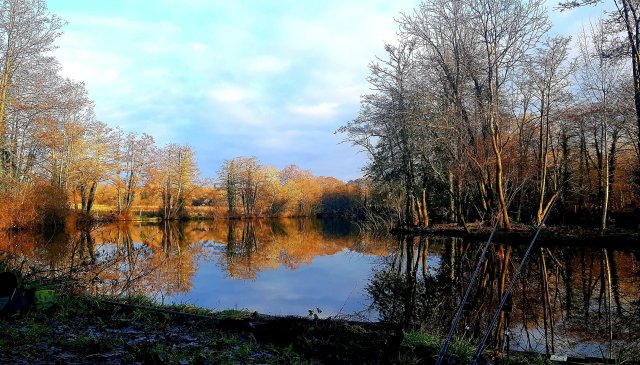
Winter carp fishing is as much about timing and stealth as it is about technique. In quieter months, when fewer anglers are on the banks, timing your sessions for when conditions are optimal can make all the difference. I often plan my trips around weather changes, particularly after rainstorms, which can bring oxygenated water into the lakes and spur the carp into feeding.
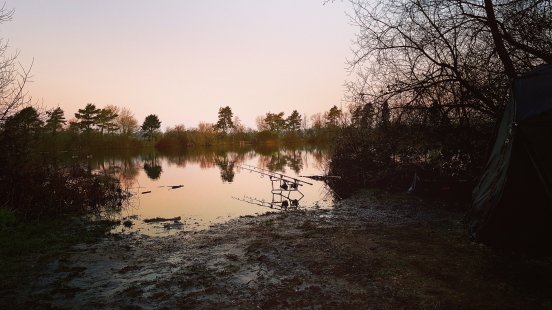
I also stress the importance of being discreet, especially if other anglers are fishing the same water. Arriving early, sometimes even setting up in the dark, can help secure the best spots before others arrive. This isn’t always easy, especially in the winter months when daylight hours are short, and the cold can sap your energy and motivation.

Admittedly, setting up and packing away in the dark can take a toll, particularly after many winters of following this routine. “It’s the constant setting up and packing away in the dark hours, it’s really hard going,” I reflect, noting that after years of doing this, it started to wear me down. To combat this, I began doing two-night sessions, giving myself more time to settle into the rhythm of the lake and increasing my chances of a successful catch.
Staying Warm and Comfortable: A Key to Winter Success
One of the biggest barriers to successful winter fishing is staying warm and comfortable. Like many anglers, I have struggled with keeping my feet warm during long, cold sessions. “I live in wellies a lot, and my feet freeze in them,” I admit. To combat this issue, I found an innovative solution: using a dog thermal mattress in my bivvy to elevate my feet off the cold ground. This small adjustment has made a significant difference in my comfort levels, allowing me to stay out longer without succumbing to the cold.
Comfort is more than just physical warmth—it’s also about maintaining the right mindset. Fishing in the winter can be tough, not just because of the conditions but also because of the long, slow days when bites are few and far between. For me, keeping my motivation high during these quiet periods is crucial. One strategy I employ is viewing December 23rd as a turning point: the shortest day of the year marks the beginning of the return to longer days and better conditions. “Once that has passed, you’re back in the swing of it,” I tell myself, encouraging other anglers to use the holiday season as a mental reset before diving back into the challenge of winter fishing.
Maximizing Winter Opportunities: A Mental Game
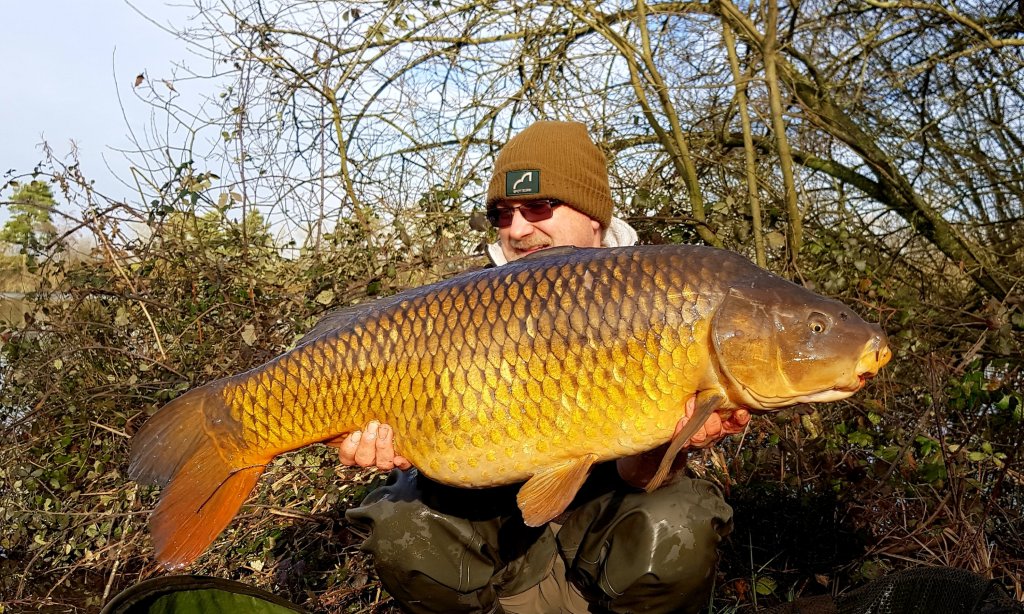
For me and other passionate anglers, winter carp fishing is not just about catching fish; it’s about enjoying the solitude and beauty of the season. The banks are quieter, and the carp, when caught, often look their best—sleek, dark, and in prime condition.
The winter months offer a unique opportunity to refine skills, try new tactics, and enjoy the peace that comes with less crowded waters. I point out that winter can feel short if you approach it with the right mindset. The long nights may be cold and dark, but they also offer a chance for reflection and learning.
As the holiday season approaches, I take the time to reflect on the year’s challenges and successes. For me, the festive period is a time to recharge before returning to the lake with renewed energy. “Sometimes, it’s worth having a break, resetting the clock, and going full-on again once all the festivities have passed,” I advise.
Conclusion
Winter carp fishing is not for the faint-hearted, but for those willing to brave the elements, the rewards can be substantial. My approach—combining careful baiting, stealthy tactics, and a focus on comfort and timing—offers valuable insights for anglers looking to improve their winter game. By preparing mentally and physically, understanding the behavior of carp in cold water, and being patient, anglers can experience some of the most rewarding catches of their fishing careers during the winter months.
Whether you’re a seasoned angler or someone looking to take on the winter carp challenge for the first time, remember that success comes not just from skill but from persistence and the ability to adapt to the unique demands of the season. With the right approach, winter carp fishing can be a deeply satisfying and memorable experience.
I hope this helps
Richard


Get 10% off Deeper With Code – RICHARD10





 UK Carp & Coarse Fishing