Winter carp fishing requires a different mindset, skillset, and level of preparation compared to fishing in warmer months. As the temperatures drop, carp behaviour changes, and so must the approach of the dedicated angler. If you’re planning on fishing through the winter months, getting ready isn’t just about packing extra layers—it’s about planning ahead, choosing the right venue, refining your tactics, and ensuring your own comfort so that you can remain motivated throughout the season.
This guide will help you understand the challenges and rewards of winter carp fishing while providing actionable advice on how to maximize your chances of success.
1. Choosing the Right Venue: Where the Battle Begins
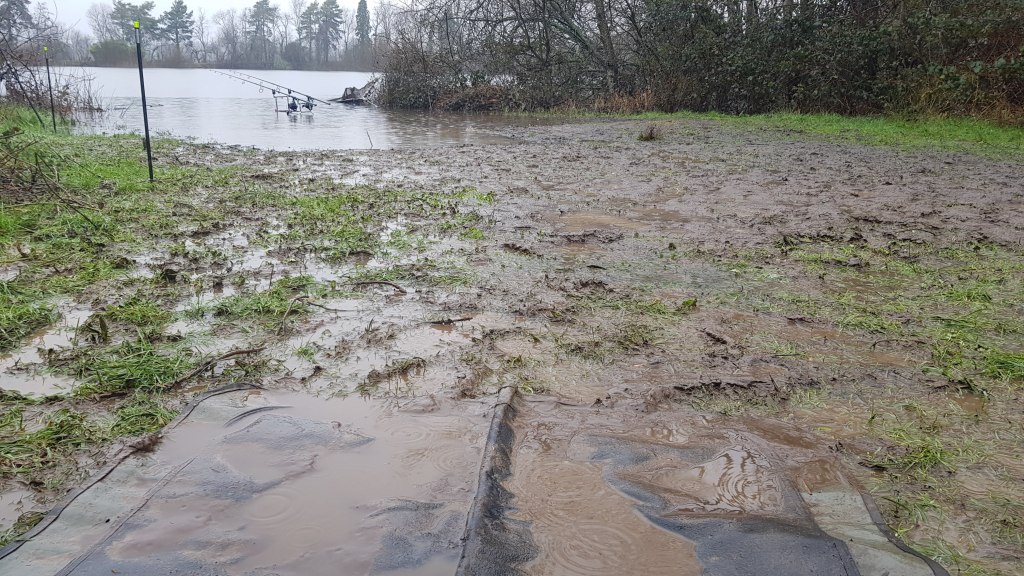
When selecting a venue for winter fishing, it’s crucial to consider how accessible it will be once the weather worsens. A long, muddy walk in the dark with extra winter gear can quickly dampen motivation, and you’ll be repeating this every time you fish. Therefore, choose a venue that suits not only your fishing style but also your stamina and logistical capabilities. Some anglers may opt for a lake with parking close to their swim, which can make a world of difference in terms of convenience and comfort.
While some lakes might be productive in summer, they might not perform as well in winter. The carp’s activity levels drop as the water cools, and they tend to congregate in smaller areas. Research the venue beforehand, checking for factors such as water depth, carp population, and historical winter activity. Venues with shallower waters tend to cool quicker, but fish often move to the deepest part of the lake as they search for the warmest water. Lakes with consistent activity during colder months are a better choice.
Once you’ve started fishing a venue in winter, it’s important to stick to it. Moving waters in the middle of a campaign often sets you back as it takes time to get to know new waters, and winter doesn’t offer the luxury of frequent success. Consistency in location helps you learn where the carp are likely to be, giving you the edge over time.
2. Winter Motivation: The Mindset to Keep You Going
Winter fishing is all about maintaining motivation. The combination of cold, long nights and challenging conditions can wear down even the most experienced anglers. Getting out of your warm bed to set up in freezing temperatures, especially when blanking is more common than in summer, requires grit and determination.
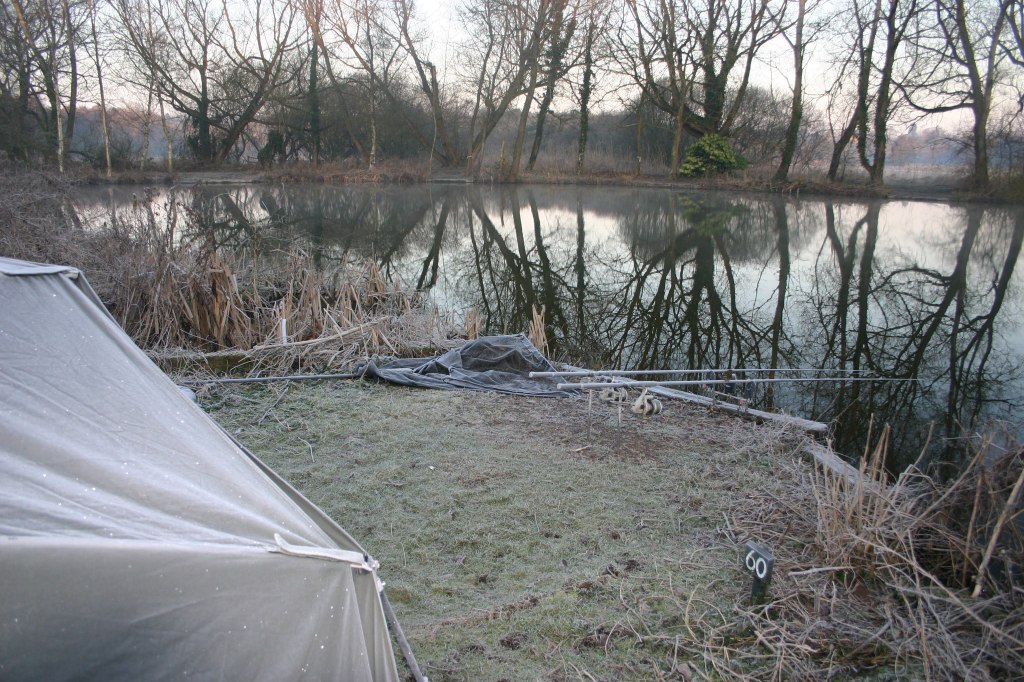
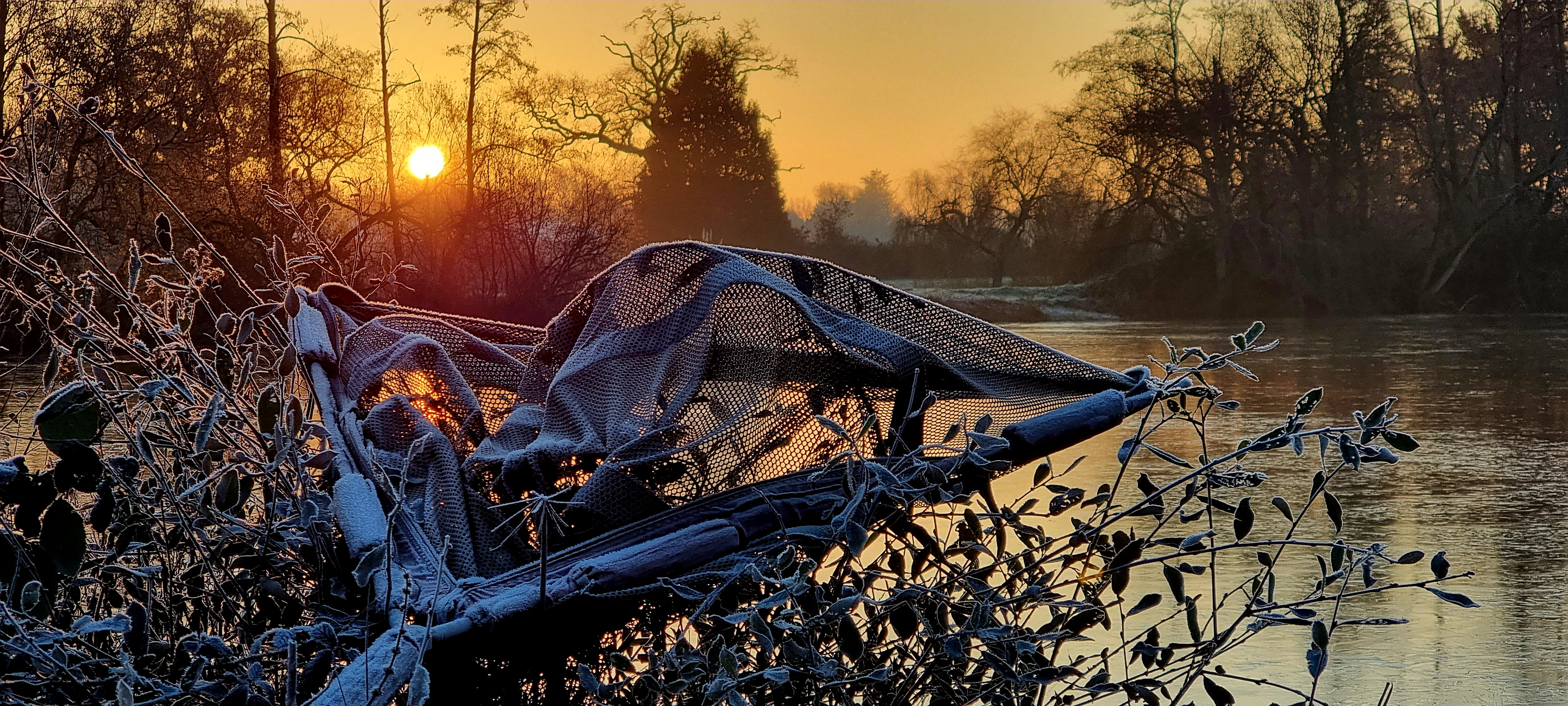
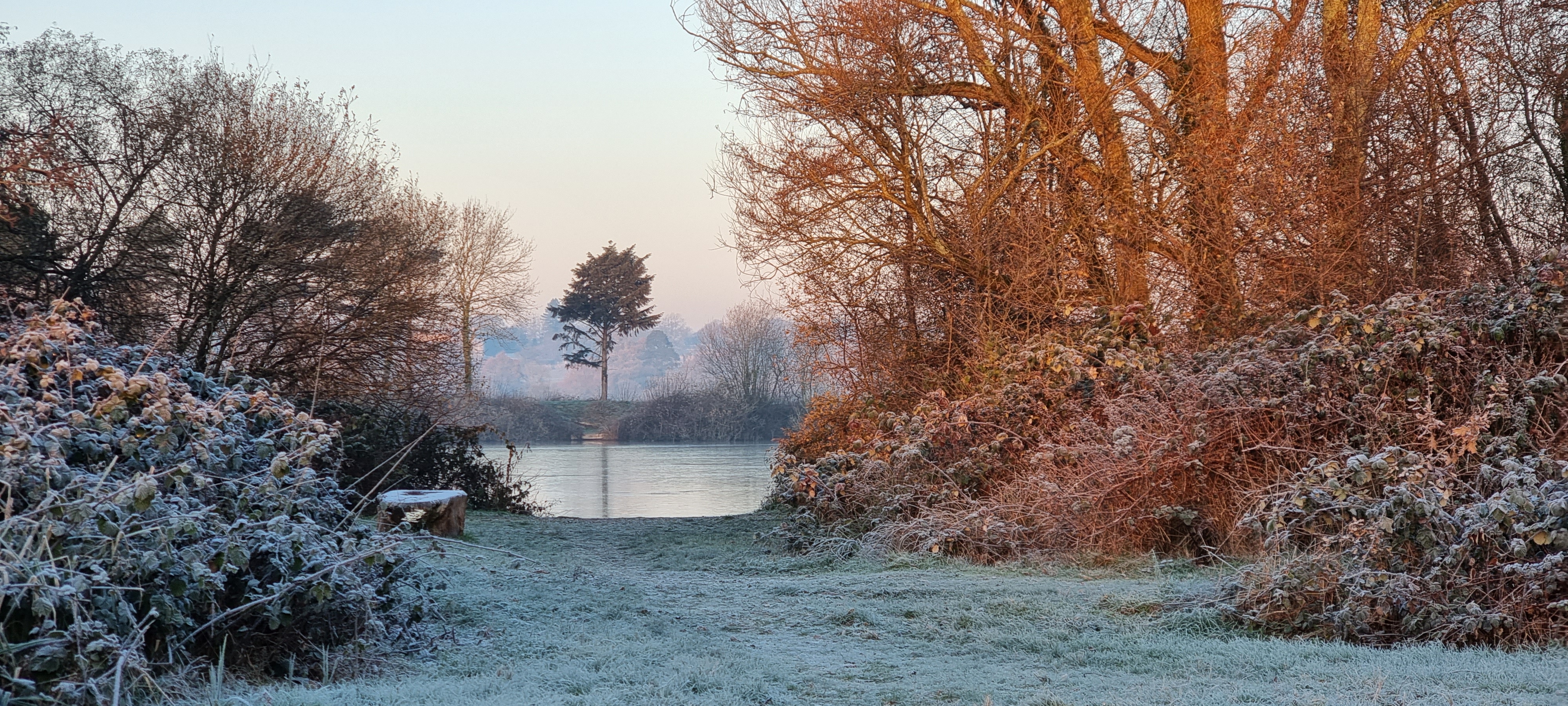
To keep motivation high, break your fishing into manageable goals. Instead of fixating solely on catching, focus on the experience. The serenity of a frost-covered morning, the crisp air, and the quiet that comes from fewer anglers on the bank should be appreciated. Motivation doesn’t have to come only from landing a fish; the process of improving your winter tactics, learning the lake, and simply being outdoors in nature can be equally rewarding.
In addition, plan your fishing sessions wisely. If you know you can only manage one or two nights a week, make each session count. Research the lake beforehand, talk to other anglers, and try to locate carp before you even set foot on the bank. When you arrive, even if it’s dark, you’ll already have a good idea of where to fish.
3. Setting Up in the Dark: Preparation and Practice
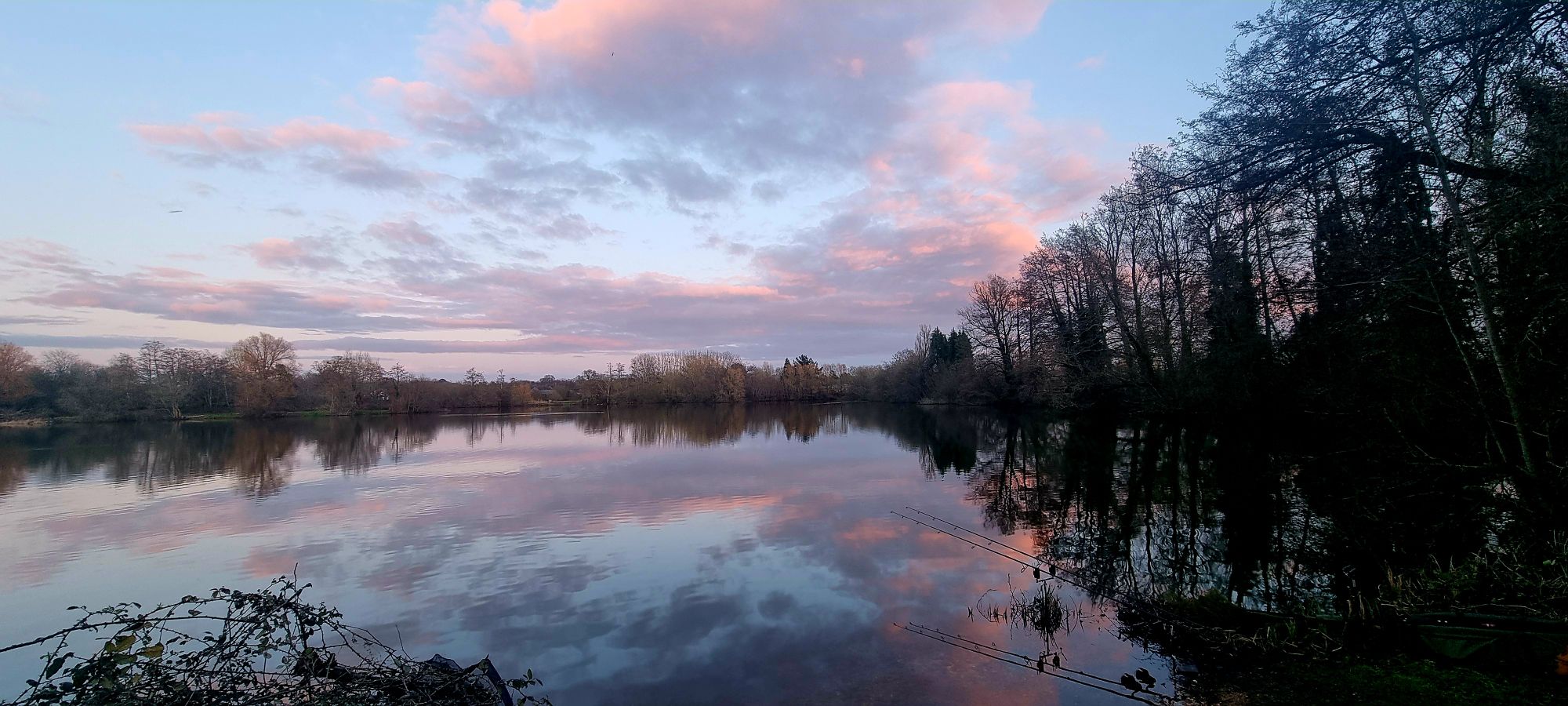
One of the most challenging aspects of winter fishing is setting up in the dark. Whether you arrive after work or before dawn, setting up your kit in low light is a skill that can significantly affect your success and enjoyment.
To streamline the process, get into a routine for both setting up and packing away. Always keep your essential items—such as headlamps, rigs, and bait—within easy reach. When setting up in the dark, you’re not in a rush since it’s already nighttime, so focus on organizing your bivvy, rods, and baiting setup efficiently.
If you’re familiar with the venue from summer sessions, use that knowledge to your advantage. You’ll already know the contours of the lake, the prominent features, and even some of the carp’s winter haunts. This allows you to cast with confidence, even in the dark.
Pack smart for your first night. You don’t need to bring every piece of gear to your swim immediately. If you’re doing back-to-back nights, consider only bringing the essentials for the first night and returning for the rest of your kit in the morning.
4. Staying Comfortable: Key to Winter Success
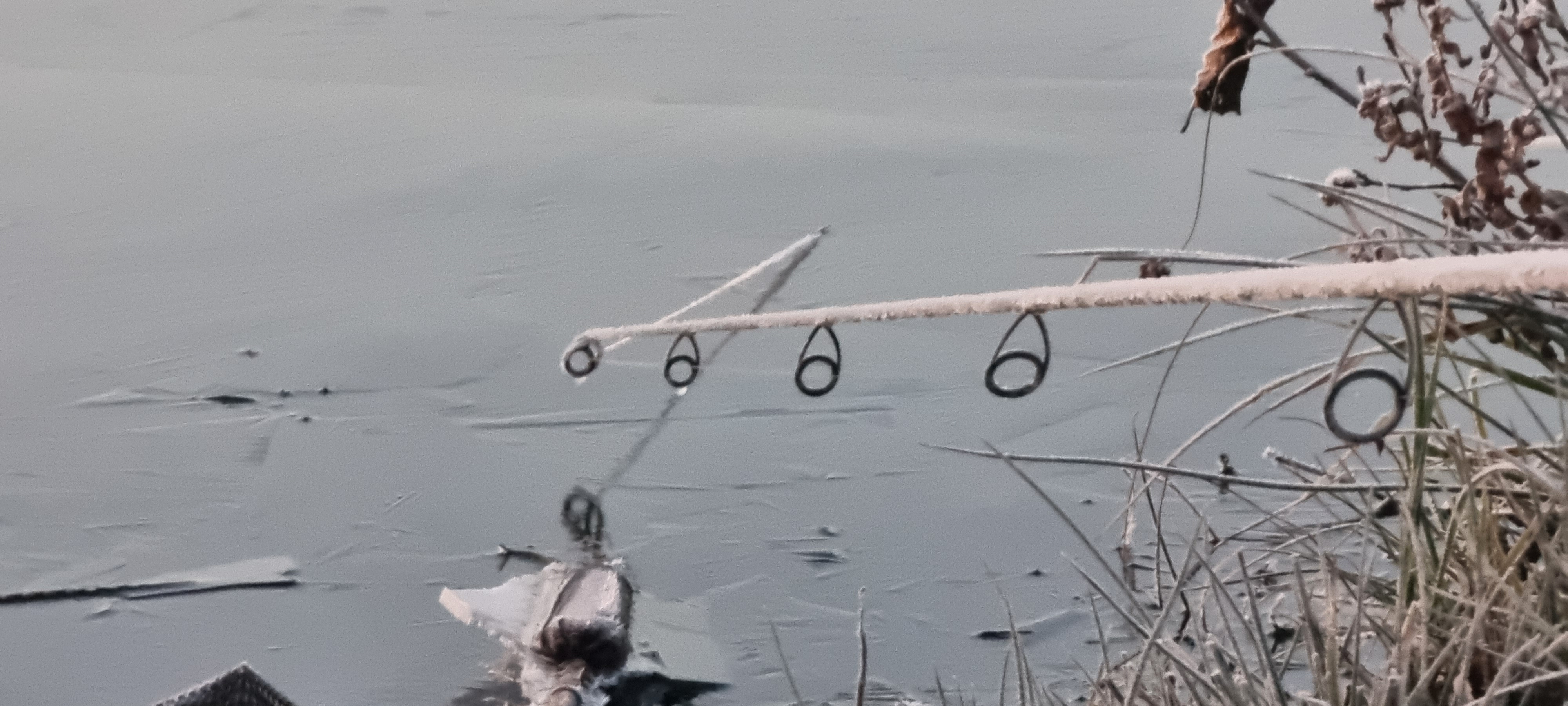
The cold, damp, and wet conditions of winter can take their toll, making comfort critical for long sessions. Being uncomfortable not only saps your motivation but also affects your ability to fish effectively.
First, invest in a high-quality bivvy. Gone are the days when anglers toughed it out under umbrellas; modern bivvies offer far more protection and comfort, without adding much complexity to your setup. Additionally, an overwrap can make a massive difference in keeping out drafts and condensation, which are frequent issues in winter. It can also help regulate the temperature inside your shelter, keeping you warmer.
Comfort during the night is vital for keeping your energy up. While a high-quality sleeping bag is essential, you can add a hot water bottle or bivvy heater for extra warmth. A bivvy heater is especially useful while you’re sitting up waiting for bites, but never sleep with it running—always ensure proper ventilation to avoid carbon monoxide buildup.
Layering is another essential aspect of winter fishing. Rather than relying on one or two bulky layers, wear multiple thin layers, which trap heat more effectively. Use base layers made of moisture-wicking material to stay dry, and keep your feet warm by wearing thermal socks and insulated boots.
For additional comfort, place something between you and the ground—an unhooking mat or old carpet works well—this will help insulate you from the cold earth.
5. Finding and Baiting in Winter: Refined Tactics for Success
In winter, carp tend to slow down as the water temperature drops, meaning their feeding habits become less aggressive and predictable. This makes it crucial to refine your baiting approach.
Start by keeping baiting light and targeted. While summer might call for larger bait beds, in winter, a smaller, more focused offering is usually more effective. Carp won’t move as much to find food, so putting a small, highly attractive bait in the right spot is essential. Natural baits like maggots and worms often work well in winter, as do highly digestible boilies and pellets. Pay attention to the temperature of the water, and adjust your baiting strategy accordingly. As it gets colder, carp will feed less often but more opportunistically, so you’ll want to ensure your hookbait is spot-on in terms of attraction.
Listening for carp during the night is one of the best ways to locate them. Carp are surprisingly active in the dark hours of winter, often giving themselves away with subtle movements. A calm, quiet night is perfect for identifying where they’re hiding, and using that knowledge on subsequent sessions can be the difference between a blank and a successful winter campaign.
6. Staying Organized: The Routine of Winter Fishing
One of the secrets to successful winter fishing is developing a consistent routine for your setups and pack-downs. When everything is organized, you’ll not only be more efficient, but you’ll also reduce stress, allowing you to focus on fishing rather than fumbling around with gear.
Start by practicing packing light. This may sound counterintuitive for winter fishing, but taking only the gear you absolutely need means you’ll spend less time setting up and packing down in the cold. Focus on the essentials: rod, reel, terminal tackle, bivvy, sleeping system, and bait. If you’re doing a longer session, you can always bring additional gear on subsequent trips.
Keep your gear stored in the same way after each trip, so you know exactly where everything is when you need it. This way, when you arrive at the lake in the dark, you can get your bivvy up, rods out, and baits in the water in no time, minimizing the impact of the cold and darkness on your mood and performance.

7. Mental Toughness: The Edge in Winter Fishing
Mental toughness is just as important as physical preparation in winter carp fishing. The harsh weather, frequent blanking, and long nights can test any angler’s resolve. However, understanding that winter fishing comes with fewer but potentially larger rewards can help you stay focused. Each trip builds your experience and knowledge, and even if you blank, it’s a valuable learning experience.
Remember, fewer anglers are on the bank during winter, which means less competition for the best swims and a quieter, more peaceful fishing experience. Embrace the solitude and use it as an opportunity to connect with nature and improve your skills.
8. Winter Fishing Is Worth the Effort
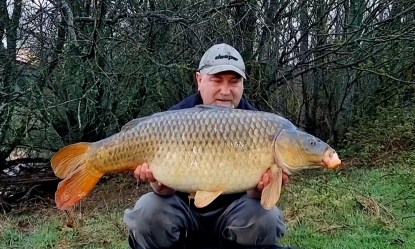
Ultimately, the effort you put into winter fishing is what makes it so rewarding. Carp caught in winter often feel like true achievements due to the conditions and the extra work involved. The bite of a cold winter’s morning, a stunning frost-covered lake, and the thrill of a big winter carp are memories that will stay with you forever.
By preparing properly—choosing the right venue, staying organized, focusing on comfort, and refining your tactics—you can set yourself up for a successful and enjoyable winter fishing season. The rewards may be fewer and farther between, but when they come, they will be worth every chilly night and long walk in the dark.
Good luck, and tight lines this winter!
Richard

Get 10% off Deeper With Code – RICHARD10





 UK Carp & Coarse Fishing