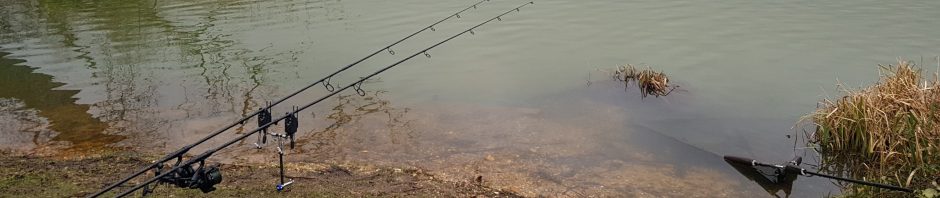
“Observation Is The Key To Success in Carp Fishing”
Introduction: In the realm of carp fishing, one often-overlooked yet crucial aspect stands out as the paramount key to success: observation. Richard, an avid angler, shares his belief in the power of keen observation, emphasizing its role in deciphering fish behavior, identifying feeding patterns, and ultimately increasing the chances of a successful catch.
The Essence of Observation: Richard delves into the heart of carp fishing, asserting that even with the best bait, success may remain elusive without situating oneself in the perfect spot. Drawing from personal experiences, he recounts hours spent meticulously observing carp behavior, tracking their movements, and seeking patterns in their feeding rituals. A memorable instance at Vinatrose Lake, where he watched a carp react to changes in its environment, exemplifies the profound impact of observation on fishing success.
Utilizing Various Forms of Observation: The blog emphasizes the diverse forms observation can take. Richard advocates for walks around the lake during lunch hours, collaboration with fellow anglers to pool knowledge, and watching the water from elevated positions, such as trees or banks. He encourages anglers to learn from others’ successes without intruding on their swims, turning green-eyed moments into valuable insights recorded in a log book.
Practical Tips and Techniques: Richard shares practical tips for effective observation, including using binoculars to spot fish in the far margins and studying fish behavior during early mornings and late evenings. He highlights the importance of patience, especially when waiting for signs of fish showing. The article underscores the significance of watching corners, overhanging trees, and even right underfoot, as these often-overlooked areas can be prime feeding spots.
Observation and Margin Fishing: Linking observation with his favorite method, margin fishing, Richard discusses how closely studying carp movements along tree-lined banks has significantly improved his success rate. By remaining in one swim and understanding the carp’s daily path, he maximizes opportunities in an area the fish frequently visit.
Learning from Mistakes: The article encourages anglers to learn from mistakes, such as failing to notice changes in bait presentation by other anglers. Richard recounts a personal experience where overlooking such a change resulted in being out-fished by a friend. The key takeaway is the importance of continuous learning and adapting to new information.
Conclusion: “Observation Is The Key To Success in Carp Fishing” concludes with a reminder that, despite time constraints, consistent observation reveals patterns over time. Anglers are urged not to be disheartened by others’ successes but rather to observe, take notes, and view fellow anglers as allies in the shared pursuit of outsmarting the crafty carp.
In the eternal battle between anglers and fish, may your observations be sharp, and your catches be plentiful.
Tight lines, Richard





 UK Carp & Coarse Fishing