
 Carp fishing, like any other outdoor activity, comes with its own set of challenges and problems. While it’s a rewarding and enjoyable pursuit, anglers often encounter various issues when trying to catch these elusive fish. Here are some common problems associated with carp fishing:
- Carp Elusiveness: Carp are known for their wariness and ability to sense danger. They can easily detect unnatural movements and noises, making them challenging to catch. The unpredictability of carp behavior can be frustrating for anglers.
- Changing Weather Conditions: Weather plays a significant role in carp fishing. Sudden changes in weather, such as cold fronts, can affect carp feeding patterns. Adverse weather conditions like heavy rain, strong winds, or extreme temperatures can also make fishing less enjoyable.
- Location and Access: Finding the right fishing spot can be tricky, especially for those unfamiliar with the water. Access to some carp fishing venues may be limited, and getting to the prime locations can be a challenge. It’s essential to do proper research or seek local knowledge to locate the best spots.
- Tackling Local Regulations: Carp fishing often involves dealing with local fishing regulations and permits. These regulations may include restrictions on bait types, fishing hours, catch limits, and fishing licenses. Failure to adhere to these rules can result in legal issues.
- Carp Baits and Attraction: Carp have specific feeding habits, and getting the right bait and presentation is crucial. Choosing the wrong bait or using a suboptimal presentation can lead to disappointing results.
- Overfishing and Competition: Carp fishing venues can become overcrowded, especially in popular locations. Overfishing can deplete the carp population and make it more difficult for anglers to have a successful session. Competition for prime fishing spots can be intense, and some anglers may be less considerate about personal space.
- Tackle and Gear Maintenance: Carp fishing often requires specialized gear, including rods, reels, and bite alarms. Ensuring that equipment is well-maintained is essential to prevent issues while fishing. Malfunctions or breakages can lead to lost fish and missed opportunities.
- Carp Safety and Conservation: Carp are fragile fish, and improper handling can harm them. Responsible catch and release practices are essential for preserving carp populations and their natural habitat. Anglers need to be educated about carp care to ensure their well-being.
- Frustration and Patience: Carp fishing demands patience. Waiting for carp to bite can be a test of endurance, and some anglers may become frustrated when hours pass without any action. Maintaining a positive attitude and appreciating the serene surroundings is key.
- Environmental and Ecological Concerns: Carp fishing can impact the environment and local ecosystems. Discarded fishing lines and litter can harm wildlife and pollute waters. Carp fishing venues may face environmental challenges, such as pollution and habitat degradation.

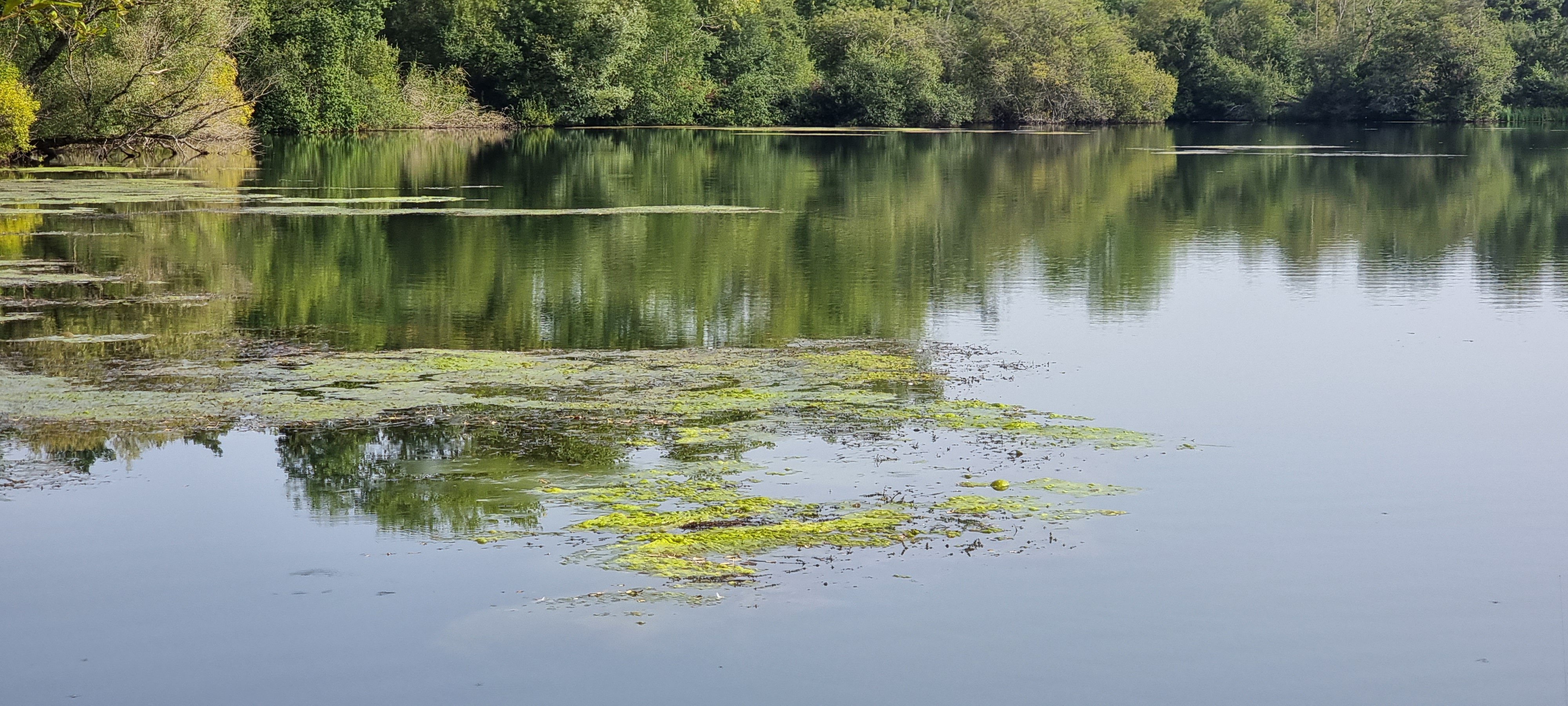 Despite these challenges, many anglers find carp fishing to be a deeply rewarding and meditative experience. Overcoming these obstacles and adapting to changing conditions is part of the allure, and successful carp anglers often develop a deep connection with both the fish and the environment in which they pursue their passion.
I hope this all helps the beginners out there.
Richard
Despite these challenges, many anglers find carp fishing to be a deeply rewarding and meditative experience. Overcoming these obstacles and adapting to changing conditions is part of the allure, and successful carp anglers often develop a deep connection with both the fish and the environment in which they pursue their passion.
I hope this all helps the beginners out there.
Richard









 UK Carp & Coarse Fishing